
Food Resilience Tour at Wao Summit 2026: A day inside our local food system.
Nearly everything we eat in the Queenstown Lakes travels a long way to reach us, trucked in at the end of a supply chain that depends on distant producers, steady fuel supplies and roads staying open. That comes with a real emissions footprint, and real fragility: a fuel disruption, a major weather event or an Alpine Fault earthquake could interrupt supply with little warning. Meanwhile we produce remarkably little of what we consume, in a district where visitor numbers can dwarf the resident population and where the cost of living puts real pressure on the people who keep the place running.
None of this is news to anyone who lives here. But it raises a question worth sitting with: how do we build a food system that can nourish people, while nurturing the planet for generations to come? Not just one that holds up when supply chains wobble, but one that grows more of our own food, wastes less of it, and makes sure everyone in the community can access it.
Across the region, a quiet network of farmers, growers, educators, researchers and community organisations is working on exactly that. The Food Resilience Tour, part of this year's Wao Summit, is a full day spent in their company - travelling by coach and boat through the local food system to see what's already happening on the ground, and what's possible next. We're grateful to RealNZ, whose sponsorship of the Food Resilience Tour helps make this unique day possible. Now in its ninth year, the Wao Summit runs from 27 to 31 October across Wānaka and Tāhuna Queenstown under the theme Resilience in Action.
The Day at a Glance
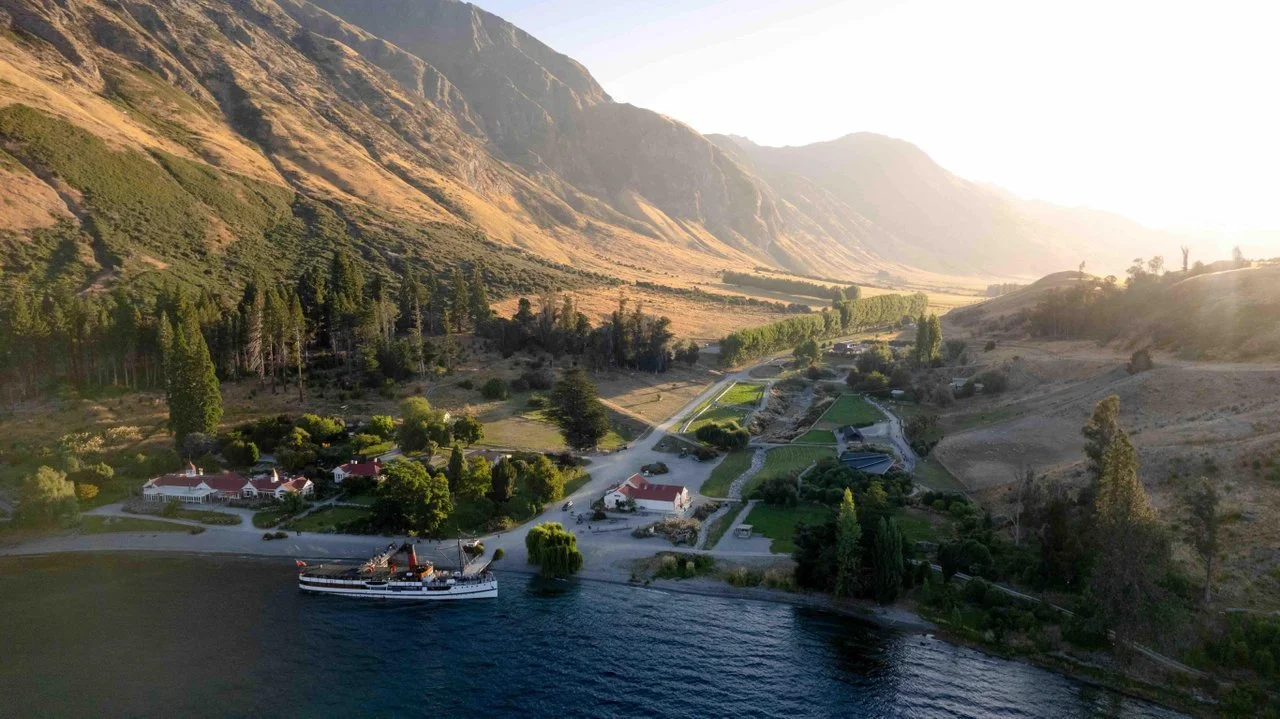
The tour departs Frankton by coach at 8.15am and crosses Lake Whakatipu aboard the historic steamship TSS Earnslaw to Walter Peak, where RealNZ opens the day by sharing how tourism and stewardship come together on one of New Zealand's most iconic properties.
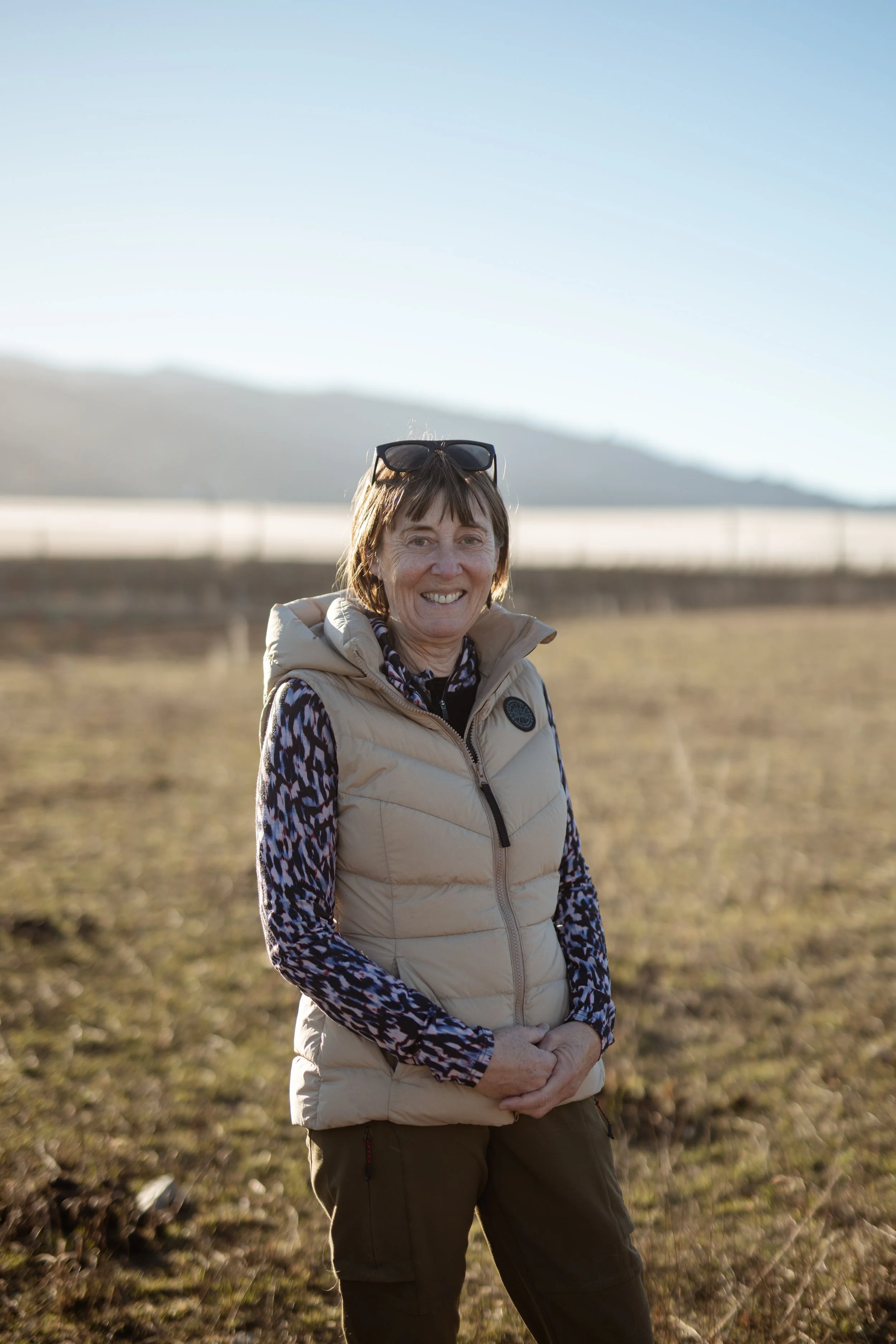
The morning sessions in the Walter Peak Woolshed cover the foundations of a resilient food system: Michael Rewi (Mana Tāhuna) and Gary Hough (KiwiHarvest) on the partnerships strengthening food security in our region, Dr Melissa Robson-Williams (Bioeconomy Science Institute) on what enables communities to lead change across Aotearoa's food and fibre system, Amanda Currie (Tinwald Farm) on soil biology and the links between soil, animal and human health, and Tim Crownshaw (EECA) on on-farm solar, agrivoltaics and biological energy.
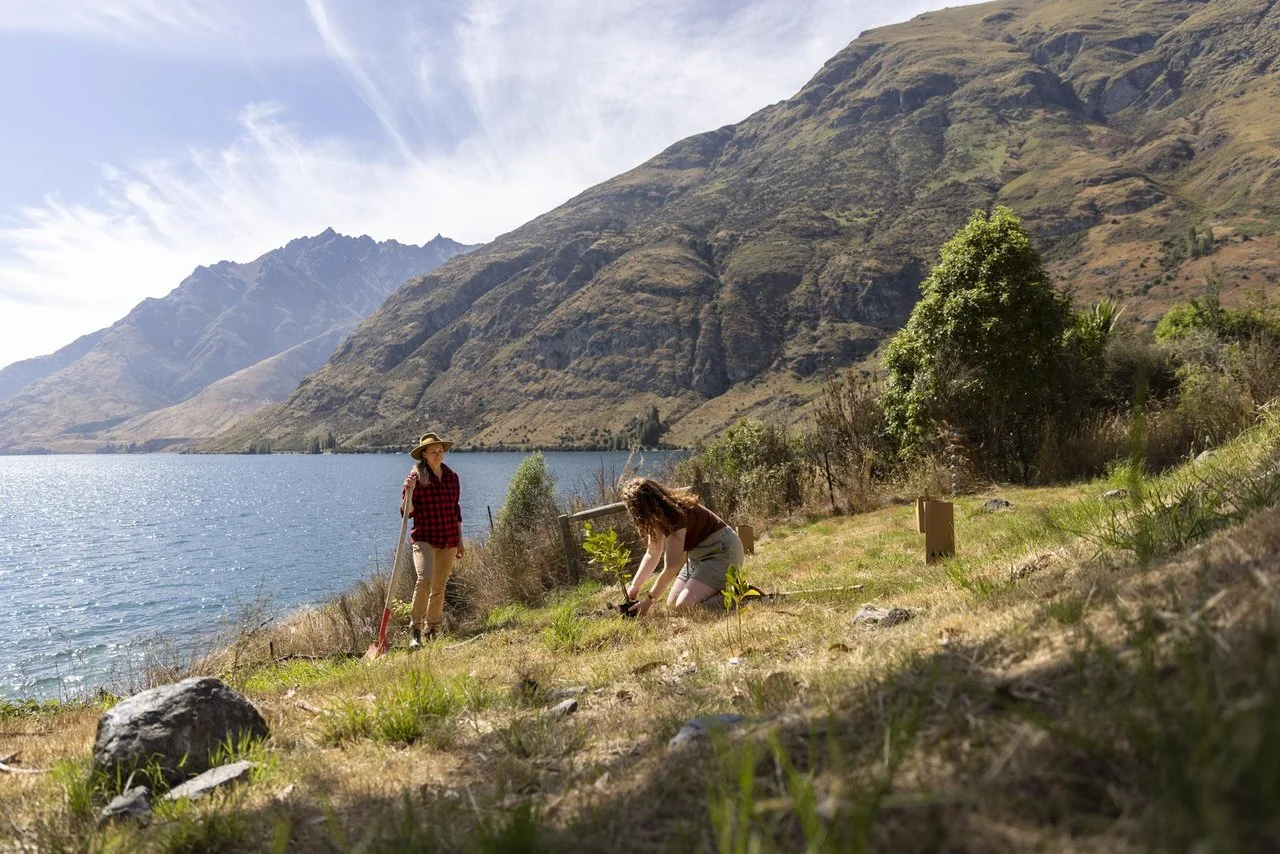
After lunch aboard the Earnslaw, the afternoon moves through town: students at Queenstown Primary School share what the Garden to Table programme has taught them about food, ecosystems and working together; at the Harvest Community Garden, Theo Richard (Sherwood) and Babu Blatt (Southern Lakes Kai Collective) explore how local growing builds community; and the day closes at Waste to Wilderness, passing Arthur's Point Orchard en route, where Michael Sly shows how composting and nutrient cycling turn organic waste back into a resource. The coach returns to Frankton at 4.30pm.
Why Come Along?
Whether you're a grower, a foodie, an educator, someone working in tourism or hospitality, or simply curious about where your food comes from, the tour offers practical ideas, real-world examples and connections with the people driving change locally.
Passes on Sale Now
Early bird passes have sold out for the Food Resilience Day. Full price tickets are $90 for a full day out, with all transport by coach and boat, morning tea at Walter Peak, and lunch on board included. The Food Resilience Day Pass covers the whole tour. Spaces are limited, so book now to avoid missing out.