Wānaka organisations unite to strengthen community resilience amid global uncertainty.
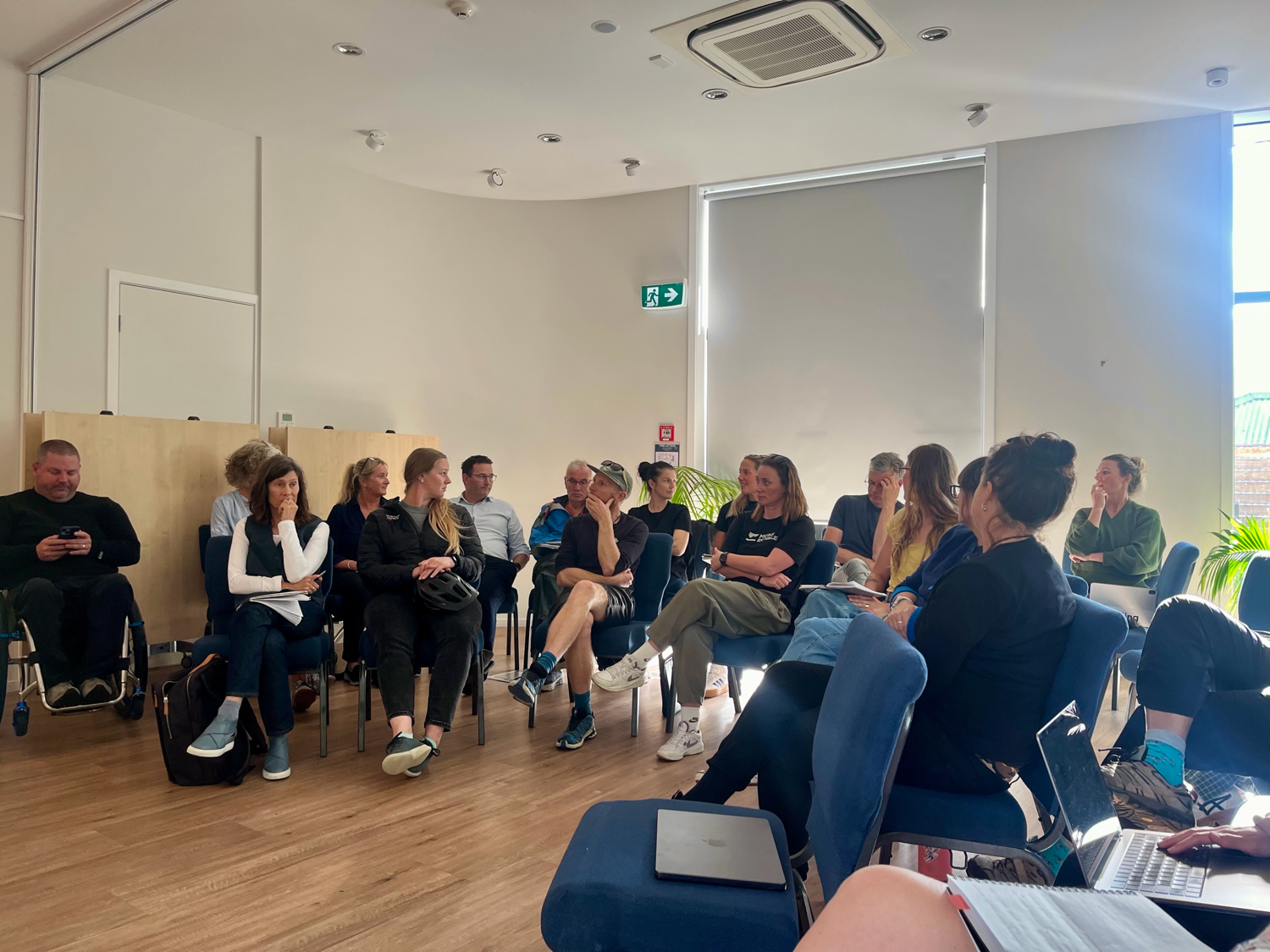
A cross-sector group of community leaders, businesses, and local government representatives gathered at the Wānaka Community Hub last week to discuss how global instability, including fuel disruption, supply chain pressure, and rising costs - may impact the Upper Clutha, and how the region can respond together.
Convened by our team and Community Link, the hui brought together representatives from tourism, local government, community services, youth organisations, and resilience groups. The conversation focused on shared challenges, current responses, and opportunities to strengthen local systems.
A shared understanding: uncertainty and rising pressure
Across sectors, there was a consistent view that this period feels different from previous disruptions — described as a slower-moving, ongoing situation without a clear endpoint.
Participants noted:
Increasing cost pressures on households and businesses
Growing community anxiety and demand for support services
Risks to supply chains, particularly fuel and imported materials
The potential for impacts to ripple across tourism, transport, and essential services
Despite this, there was strong alignment that “all systems remain a go”, with businesses and organisations continuing to operate while actively planning for different scenarios.
Community wellbeing front of mind
Frontline organisations highlighted a noticeable rise in financial stress and wellbeing concerns across the community. Demand for services such as food support is increasing, alongside a need for clear, practical information to help people feel prepared and supported.
A key theme was the importance of maintaining calm, solutions-focused communication ensuring the community feels informed and empowered, rather than overwhelmed.
Opportunity to act — not just react
While acknowledging the challenges, the hui focused strongly on opportunity. There was a shared commitment to use this moment to accelerate practical, long-term resilience across the region.
Priority areas identified include:
Transport
Expanding active and shared transport options
Building on existing initiatives like school bike programmes and carpooling
Exploring opportunities for improved public and community transport
Food resilience
Strengthening local food systems and supply chains
Supporting growers and increasing local production
Encouraging early household-level preparation
Energy
Increasing focus on energy resilience and efficiency
Supporting a transition toward more local and renewable solutions
Community connection and wellbeing
Strengthening local support networks
Ensuring access to services and information
Keeping community connection strong during uncertain times
Collaboration and leadership
A clear outcome from the hui was the need for coordinated leadership and communication.
Participants emphasised:
The value of a “one trusted source” of local information
The importance of organisations working together
The role of both council and community groups in supporting the region
There was strong agreement that communities like Wānaka are well positioned to respond, with existing networks, engaged organisations, and a culture of collaboration.
Next steps
Following the hui, a number of collaborative actions are underway:
Coordinating communications across organisations to ensure consistent, practical messaging
Establishing a transport-focused working group
Sharing ongoing wellbeing insights from frontline services
Continuing to convene partners to align efforts
A community response
The overall sentiment from the group was clear: while global uncertainty is outside local control, how the community responds is not.
By working together, sharing information, and focusing on practical solutions, Wānaka has an opportunity to strengthen resilience - not just for the immediate period, but for the future.