Wao Summit Event Programme
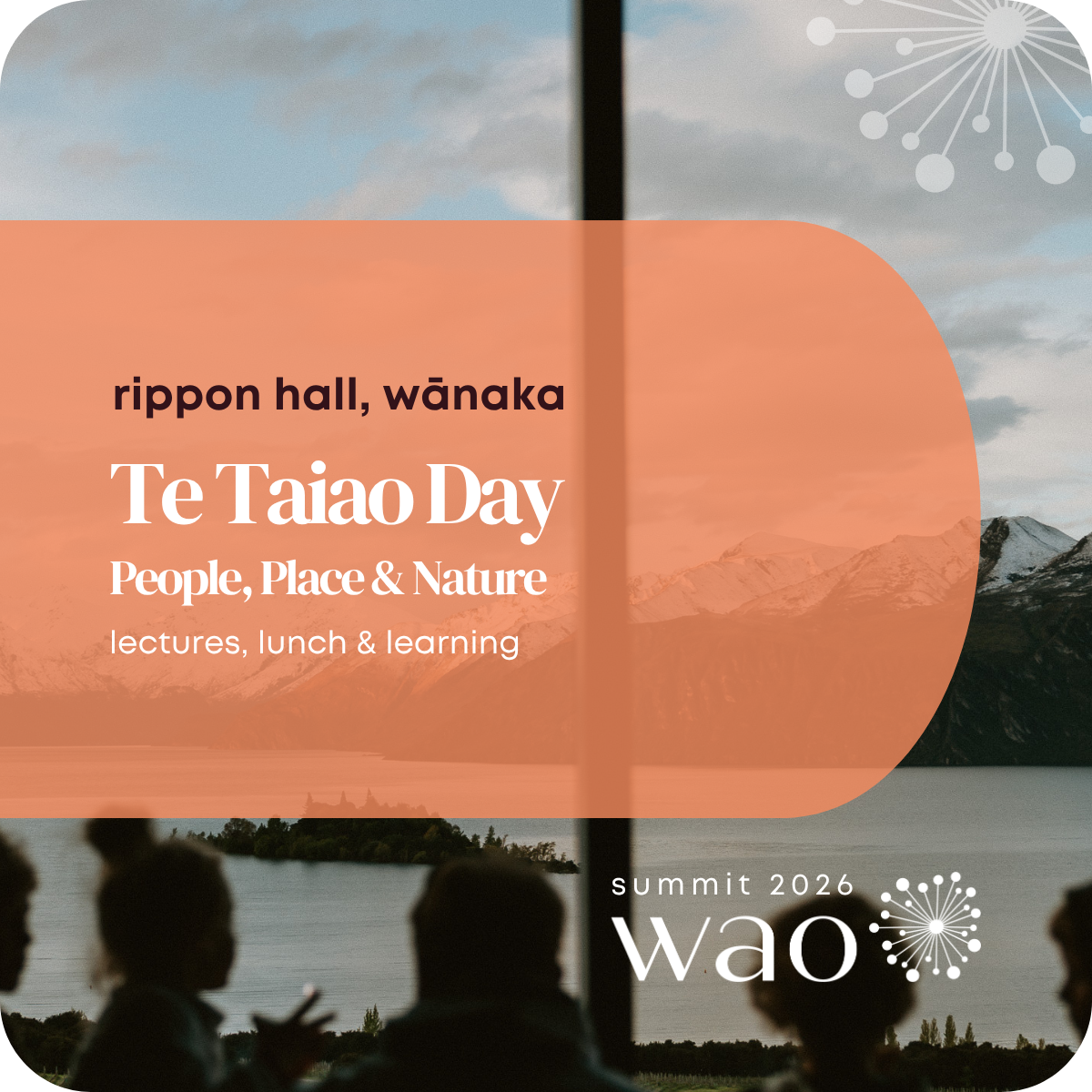
Te Taiao Day
Wānaka has long been renowned as a place of learning.
Day One of Wao Summit 2026 invites us to reconnect with the meaning of place by stepping back to see the bigger picture.
Featuring an exceptional line up of leading academics, researchers and thought leaders, the day explores the interconnected systems that shape our world through the lenses of climate, health, systems thinking, nature, resources and democracy. Challenging assumptions and expanding perspectives, this is the event you never knew you needed, offering the knowledge, context and inspiration to better understand an increasingly complex world and our place within it.
Read more about the Te Taiao Day in this blog post by Monique Kelly, Trustee & General Manager at Wao.
DAY PROGRAMME
Tuesday 27 October 2026
9:30AM: Morning Tea & Coffee
10:00AM: Welcome with Monique Kelly
10:15AM: The Environmental Costs of our Choices
10:30AM: Systems not Silos
11:15AM: The Planet is Running a Fever
12:00PM: Te Taiao Lunch
1:00PM: Beyond Climate
1:45PM: Investing in Nature
2:30PM: Afternoon Tea
3:00PM: Critical Minerals: At What Cost?
3:45PM: The Afterlife of Plastics
5:30PM: Once Were Farmers Photography Exhibition & Green Drinks
6:30PM: Evening Kōrero - The Election Conversation (separate Kōrero ticket required. SOLD OUT - join the waitlist to be notified of availability).
Schedule subject to change, any updates will be communicated here and to ticket holders.
SESSION DETAILS - CLICK ON A SESSION FOR FULL DETAILS
Welcome with Monique Kelly
Join Monique to open Wao Summit 2026 and introduce you to our latest research project: Journey to 2126
Journey to 2126 is a bold research project exploring what it will take for people and nature to thrive over the next century.
What would it mean to make decisions today that future generations would thank us for 100 years from now?
Journey to 2126 is Wao's long term research initiative exploring the conditions needed for people, communities and Te Taiao to thrive over the next century. Bringing together systems thinking, science, community perspectives and future focused research, the project seeks to better understand the interconnected challenges shaping our future and identify the pathways towards long term resilience.
This opening session introduces the purpose, questions and aspirations behind the research. Rather than predicting the future, Journey to 2126 asks how we can become better ancestors by making wiser decisions today.
As the foundation for the Wao Summit, this research provides the context for the conversations that follow and invites everyone to become part of a shared journey towards a thriving Aotearoa in 2126.
YOUR SPEAKER
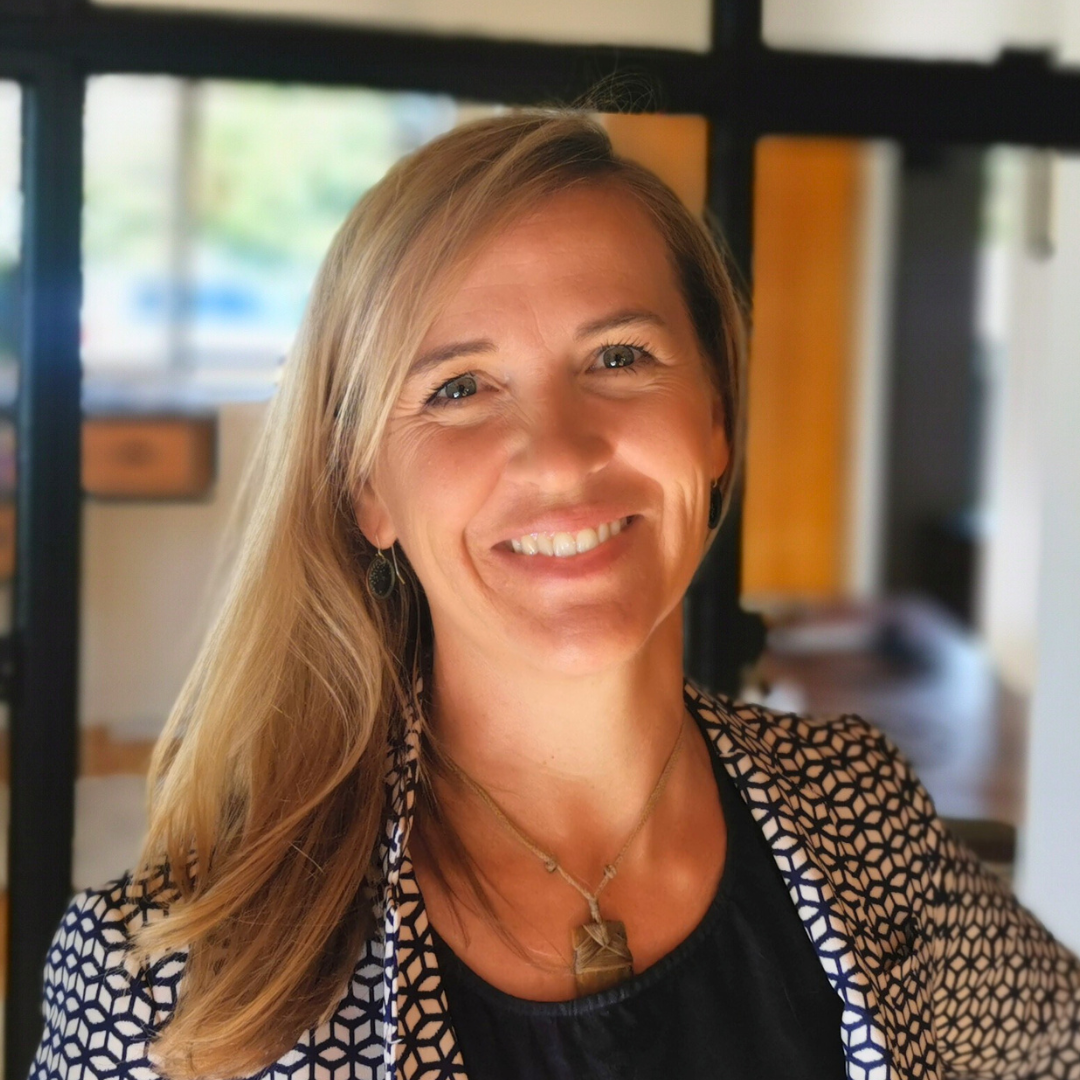
General Manager of Wao and Programme Director for Wao Summit
The Environmental Costs of our Choices
Every decision has an environmental cost. Discover a new tool that makes those impacts visible, helping organisations and individuals make better choices for people and planet.
The Earth's stability depends on nine interconnected planetary boundaries that define a safe operating space for humanity. Today, seven of these boundaries have been exceeded, placing growing pressure on ecosystems, biodiversity, freshwater, climate and the communities that depend on them.
Every decision we make carries an environmental cost, yet those impacts are often invisible. Without understanding them, it is difficult to know which choices genuinely contribute to a healthier future.
In this session, Dr. Kate Meyer introduces Planetary Insights, a free decision-support platform developed by the Wānaka-based Planetary Accounting Network. The platform makes the environmental impacts of everyday decisions visible, helping organisations and individuals understand how their activities affect multiple planetary boundaries, not just carbon.
Kate will demonstrate the dashboard, share some of the surprising insights uncovered through its development, and explore how better information can empower better decisions for businesses, communities and the planet.
YOUR SPEAKER
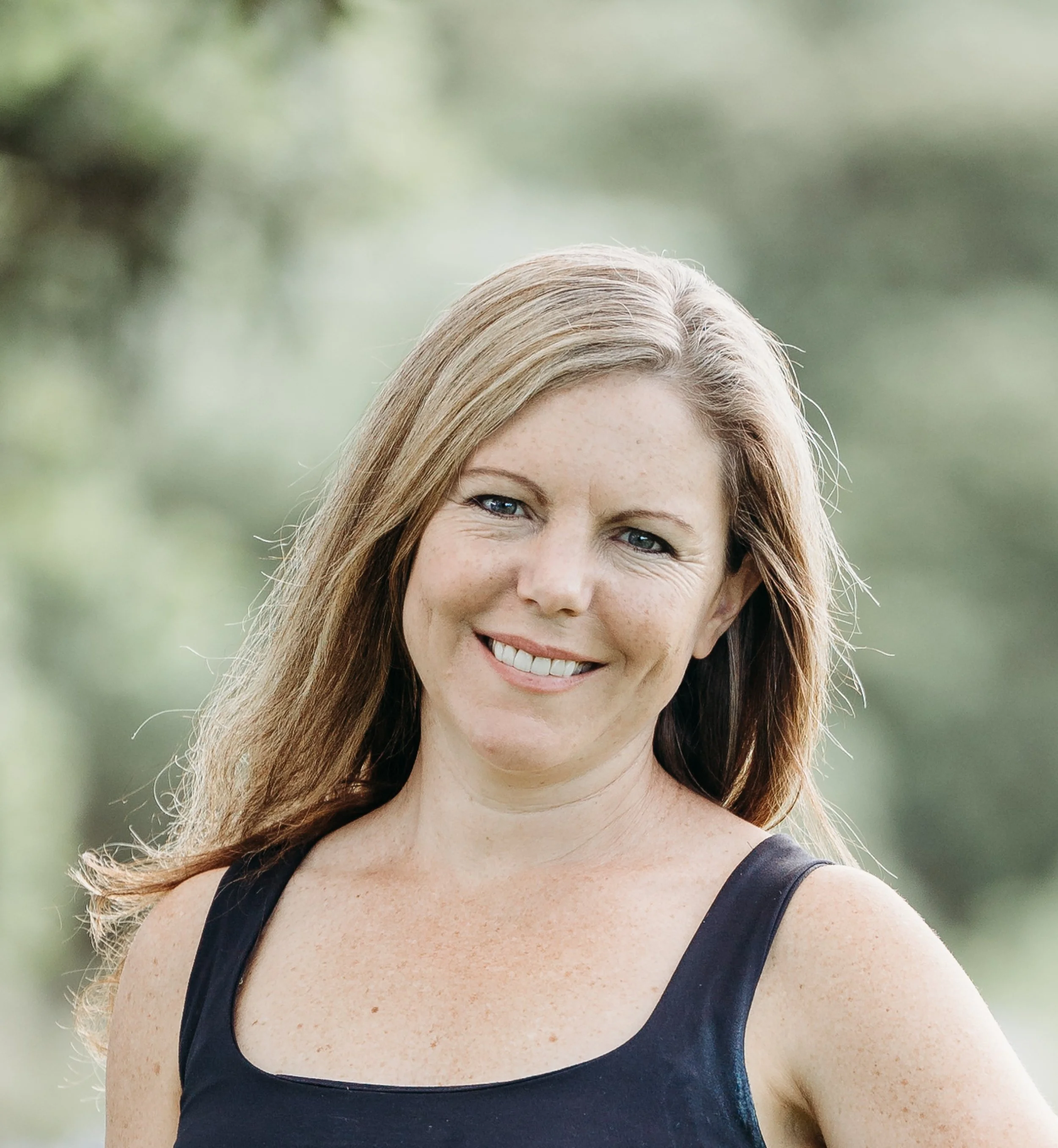
Founder & CEO
The Planetary Accounting Network
Systems Not Silos
Explore how systems thinking helps us navigate complexity, strengthen food resilience, and create lasting change in an increasingly interconnected world.
Many of today's greatest challenges—food security, freshwater, climate, biodiversity and community wellbeing—cannot be solved in isolation. They are interconnected parts of complex living systems that require new ways of thinking.
In this session, Dr Melissa Robson-Williams explores how systems thinking can help us better understand complexity and identify opportunities for meaningful change. Drawing on her work across land, water and food systems, Melissa will demonstrate how bringing together diverse perspectives, embracing uncertainty and recognising relationships between people and nature can lead to more resilient outcomes.
Using food resilience as a practical lens, she will unpack why well-intentioned solutions often fail when they address symptoms rather than underlying system dynamics, and how we can shift our thinking from fixing individual problems to strengthening the health of the whole system.
This session offers practical insights for anyone interested in creating resilient communities, regenerative food systems and a future where both people and nature can thrive together.
YOUR SPEAKER
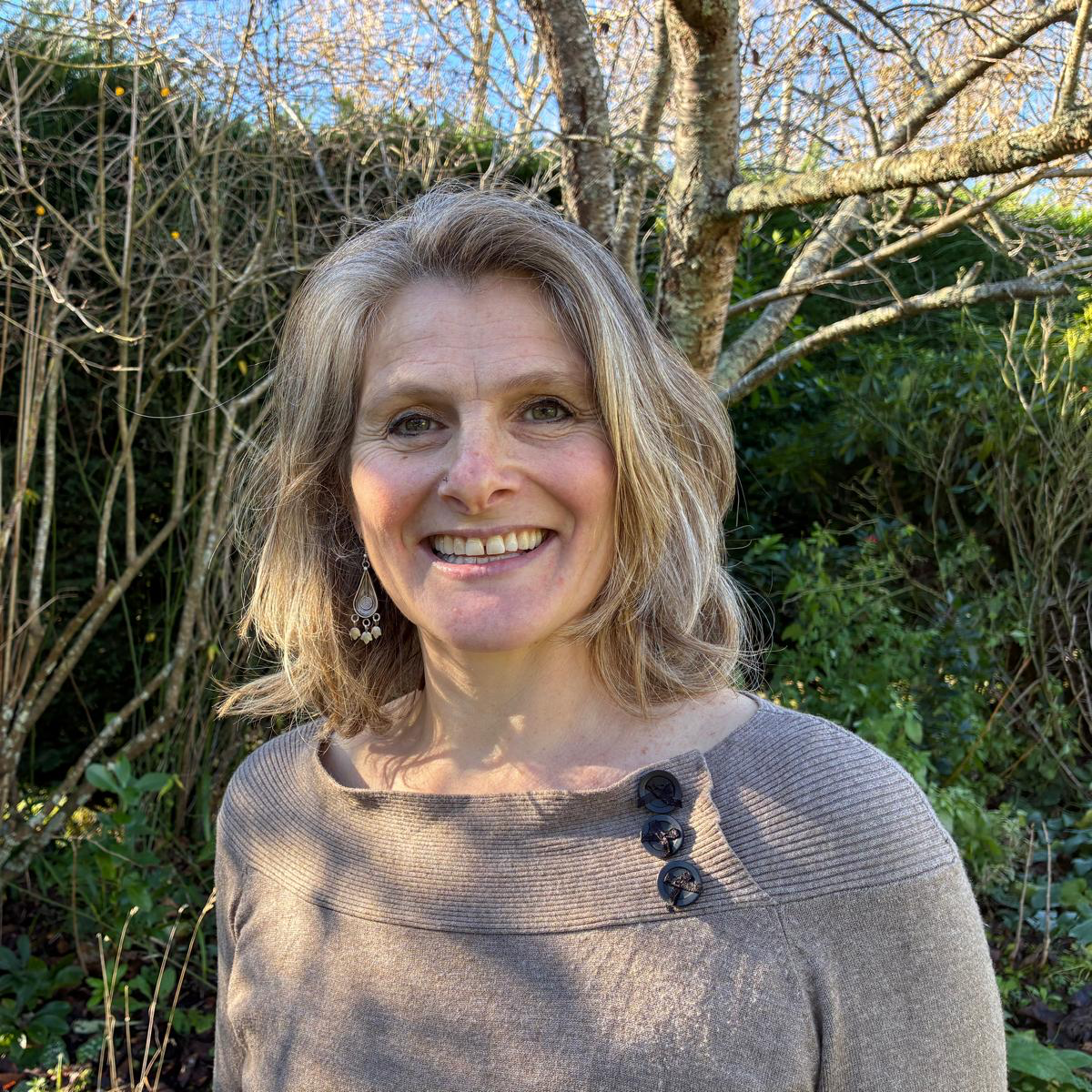
Portfolio leader for the ‘Catalysing Change’ research group at the Bioeconomy Science Institute Maiangi Taiao.
The Planet Is Running a Fever: Climate, Health and the Future of Human Survival
Explore how climate change is reshaping the interconnected systems that underpin human health, food production, infrastructure and resilient communities in the twenty first century.
The planet is running a fever. But the consequences extend far beyond the environment.
Climate change is increasingly exposing the fragility of the systems that sustain human life. Rising temperatures, extreme weather events and ecosystem disruption are affecting not only natural environments, but also food systems, water security, health services, economies, infrastructure and social cohesion.
Health provides a unique lens through which to understand these interconnected impacts because it sits downstream of almost every system upon which society depends.
Drawing on experience at the intersection of global public policy, health and climate resilience, Nancy Wong explores the climate–health nexus as a systems challenge rather than solely an environmental one. She examines how climate change change cascades through the complex networks that shape human wellbeing, why some communities are more at risk than others, and what these emerging pressures reveal about the resilience of today’s societies.
The lecture will also explore why climate action should not be viewed simply as a response to risk. It presents an opportunity to redesign systems including health, energy, transport, food, and urban development – in ways that simultaneously improve health, strengthen resilience and create more sustainable futures.
Combining global evidence with practical insights, this session invites audiences to think differently about climate change: not as a discrete environmental issue, but as a systems issue that will shape the future of human health, societal resilience and, ultimately, our collective capacity to thrive in a rapidly changing world.
YOUR SPEAKER
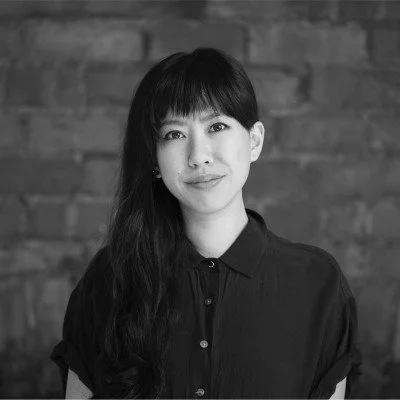
Wao Trustee and Senior Strategic Communications & Public Relations Lead World Health Organisation (WHO)
Beyond Climate: The Capacity to Respond
Climate change is testing more than the environment. Explore how relationships, governance and community capacity shape our ability to respond to an increasingly complex world.
Climate change is not an isolated environmental problem. It is one expression of a much broader set of interconnected environmental, social and economic challenges that are placing increasing pressure on the systems we rely upon.
In this session, Dr Cathrine Dyer from Te Herenga Waka Victoria University of Wellington steps back to examine the bigger picture. Why are climate change, biodiversity loss, food security, economic pressures and community resilience so closely linked? What happens when increasingly complex challenges begin to outpace the capacity of our institutions to respond?
Drawing on systems thinking and her research into governance and resilience, Cathrine explores the idea that governability is an emergent property of relationships. Declining state capacity does not necessarily mean declining societal capacity. New capabilities, knowledge and ways of working can emerge from communities through shared identity, collaboration and relational approaches, creating opportunities to influence governance from the bottom up and middle out.
This session offers a fresh perspective on resilience, inviting us to consider how stronger relationships may be one of the most important foundations for navigating an increasingly uncertain future.
YOUR SPEAKER
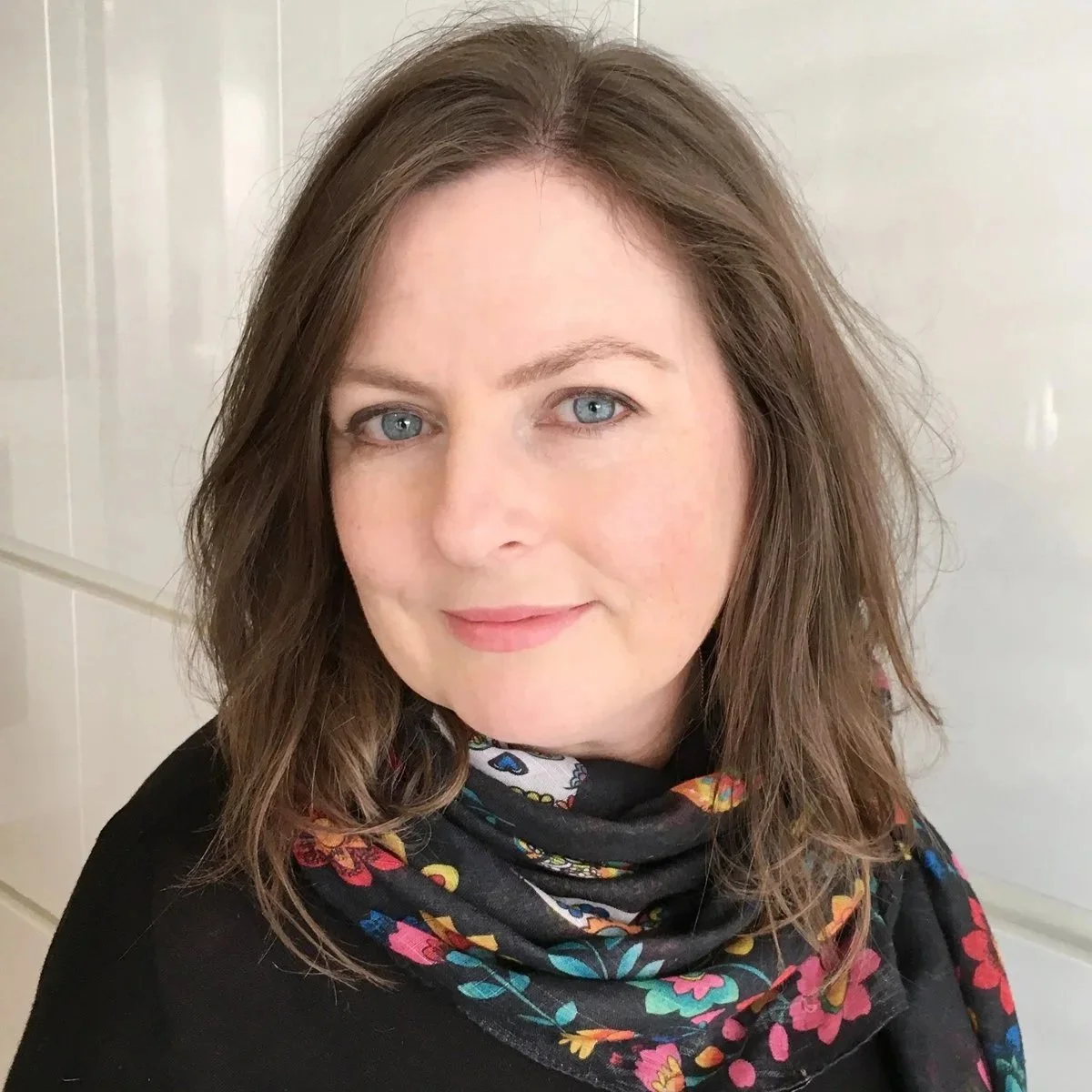
Lecturer in Climate Change at Te Herenga Waka Victoria University of Wellington
Investing in Nature
Nature is not external to the economy. It is the foundation on which it depends. Discover what this means for resilience, investment and prosperity.
Climate change, biodiversity loss and resource pressures are changing how we think about economic resilience. Increasingly, organisations are recognising that healthy ecosystems are fundamental to the performance of communities, businesses and infrastructure.
This presentation explores the emerging field of natural capital and nature markets, showing how natural systems can be understood as measurable assets that reduce risk, strengthen resilience and create long-term value.
Drawing on practical examples from across Aotearoa, Sam Parsons will demonstrate how organisations are moving beyond awareness to action by mapping natural assets, establishing ecological baselines and integrating nature into strategic planning and investment decisions.
YOUR SPEAKER
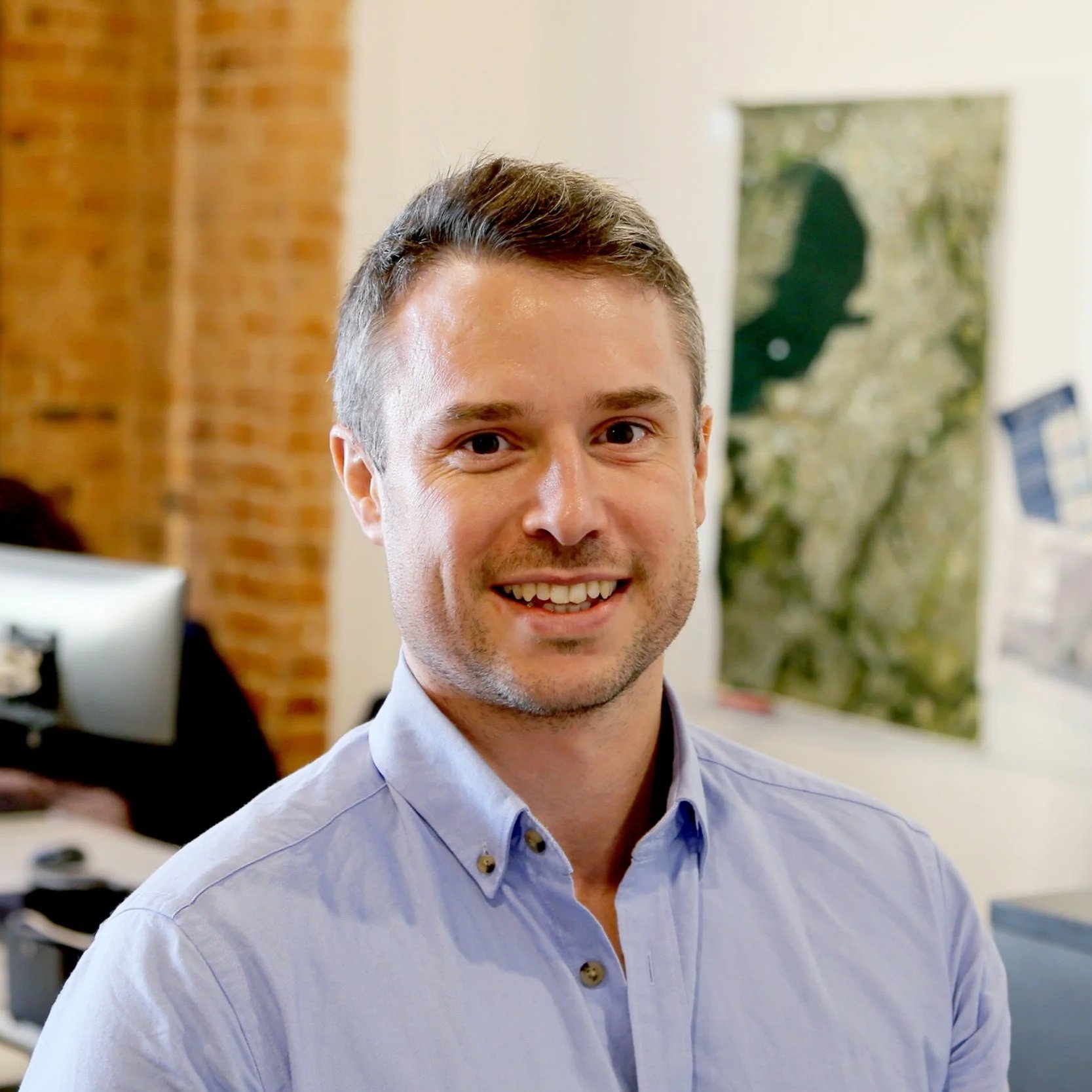
Nature & Climate Change Specialist, Boffa Miskell
Critical Minerals: At What Cost?
Behind every EV battery, smartphone and data centre are communities living with the realities of resource extraction. What does a just transition really look like?
Every solar panel, EV battery, smartphone, data centre and piece of modern infrastructure begins with materials extracted from the Earth. As demand for critical minerals and other essential resources continues to grow, so too do the impacts on the landscapes and communities where they are found.
In this session, Professor Glenn Banks from Massey University explores the human dimensions of resource extraction. Drawing on decades of research into mining, resource governance and community development, he examines how global demand for minerals shapes the lives, livelihoods and futures of the people living closest to extraction.
As the world pursues decarbonisation, digitalisation and continued economic growth, difficult questions emerge. Who benefits from resource extraction? Who bears the environmental and social costs? How can communities meaningfully participate in decisions about the resources on which modern society depends?
And ultimately, is it possible 'to live well with extraction'?
This session invites us to look beyond the technologies we celebrate and consider the people and places that make them possible. It challenges us to rethink what a just and resilient future looks like when the materials we rely on come with real consequences for communities around the world.
YOUR SPEAKER
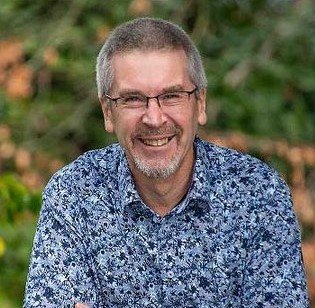
Professor of Geography and International Development, Massey University
The Afterlife of Plastics: Environment and Human Health Impacts
Since the introduction of plastics in 1907, they have transformed our world. However, their story doesn't end when we throw them away. Emeritus Professor Ian Shaw explores how plastics become microplastics, their journey through ecosystems and our bodies, and the emerging evidence associating them with environmental and human health impacts.
It all began in the USA in 1907 when Leo Baekerland created the first plastic. One hundred and eighteen years on and plastics are part of almost every bit of our lives. Our kitchen utensils, surgical equipment, mobile phones, computers and cars comprise huge amounts of plastics. To give an idea of the meteoric rise in plastic manufacture, in 1960 about 10 million tonnes were manufactured and by 2014 more than 300 million tonnes were produced. Plastics have a huge economic value because of their broad application to all aspects of our lives – this is their all-important life. But what happens when we have finished with them? What is their afterlife?
Most plastics end up in landfills or are discarded into the environment by careless users. While there are few bacteria that fully degrade plastics, constant erosion by the sea or earth abrasion breaks plastics into smaller and smaller fragments, eventually becoming microplastics (2 µm to 10 mm across) which persist in the environment.
The millions of tonnes of plastics in the environment are slowly being converted to microplastics. Now almost everywhere on earth is contaminated. They are filtered from marine environments by filter feeders (e.g., mussels) which affects their growth and development, and they are appearing in plants, including many vegetables consumed by humans. In addition, microplastics are light and can become airborne. All facets of the earth’s environment are now contaminated. We are constantly exposed to microplastics in our food, the water we drink, and the air we breathe.
Plastics also contain other chemicals. For example, plasticisers are used to modify the physical properties of everyday plastics – they make them soft, bendable and stretchy. When plastics enter the environment, these plasticisers leach out or are carried within microplastics. Many plasticisers are biologically active. Some mimic the female hormone, estrogen and have feminising effects on humans and animals. They might influence the incidence of some hormone-driven cancers (e.g., breast cancer) or confuse animal reproduction processes.
Further, as microplastics are transported around the earth on ocean currents, they adsorb environmental pollutants (e.g., pesticides) and carry them to their human and animal destinations. The implications of this can currently only be imagined.
The potential for plastics via plasticisers or microplastics to impact ecosystems or human health is becoming fact. The impact of estrogen mimics on ecosystems is well understood, their impact on human health is becoming understood, and there are the first inklings of associations between microplastics and human diseases such as early onset colorectal cancer.
In his talk, Professor Shaw will explore the mechanisms and effects that underpin the environmental and health impacts of plastics and speculate on where it is all leading.
YOUR SPEAKERS
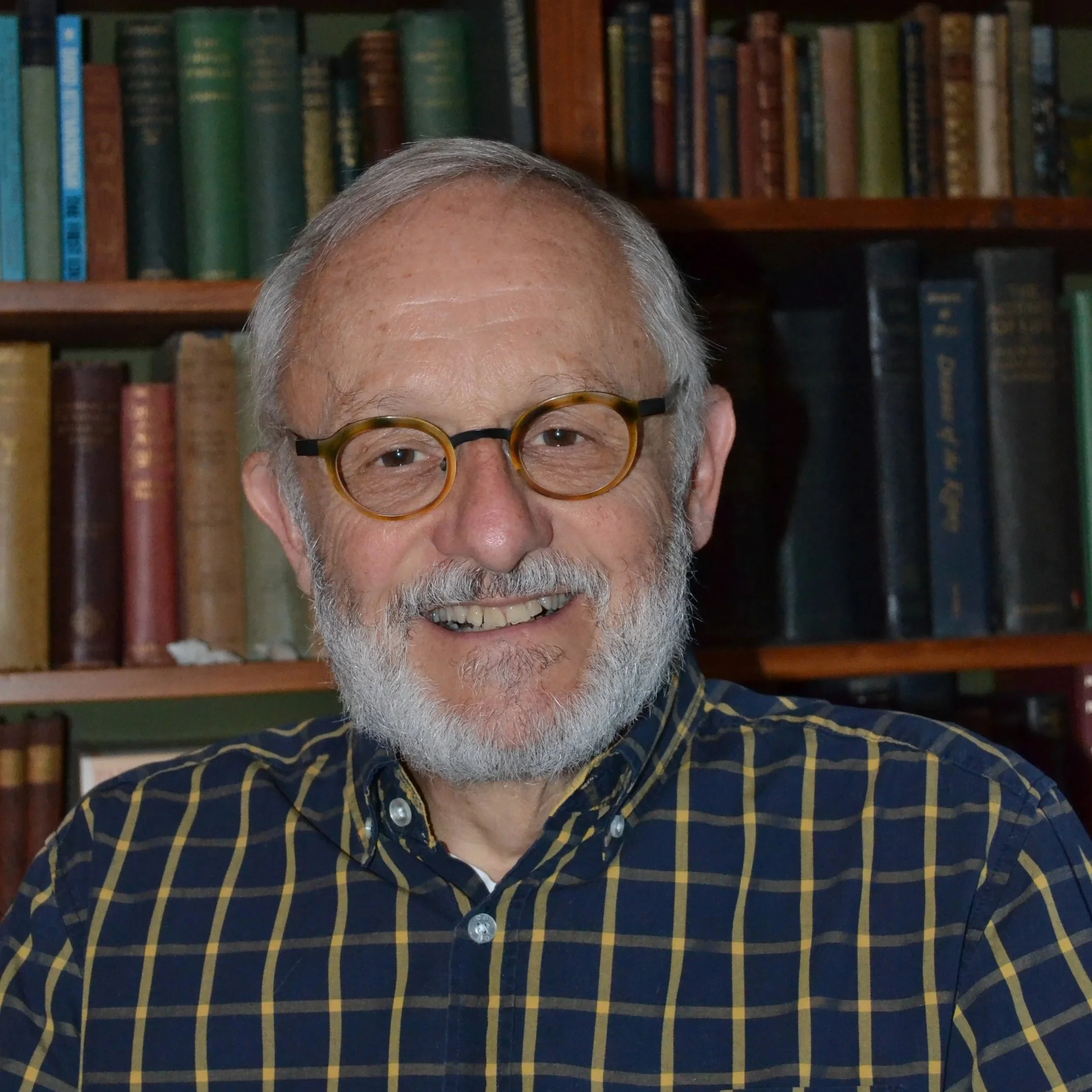
Emeritus Professor of Toxicology, DSc, PhD, FRCPath, University of Canterbury
Better Business Day
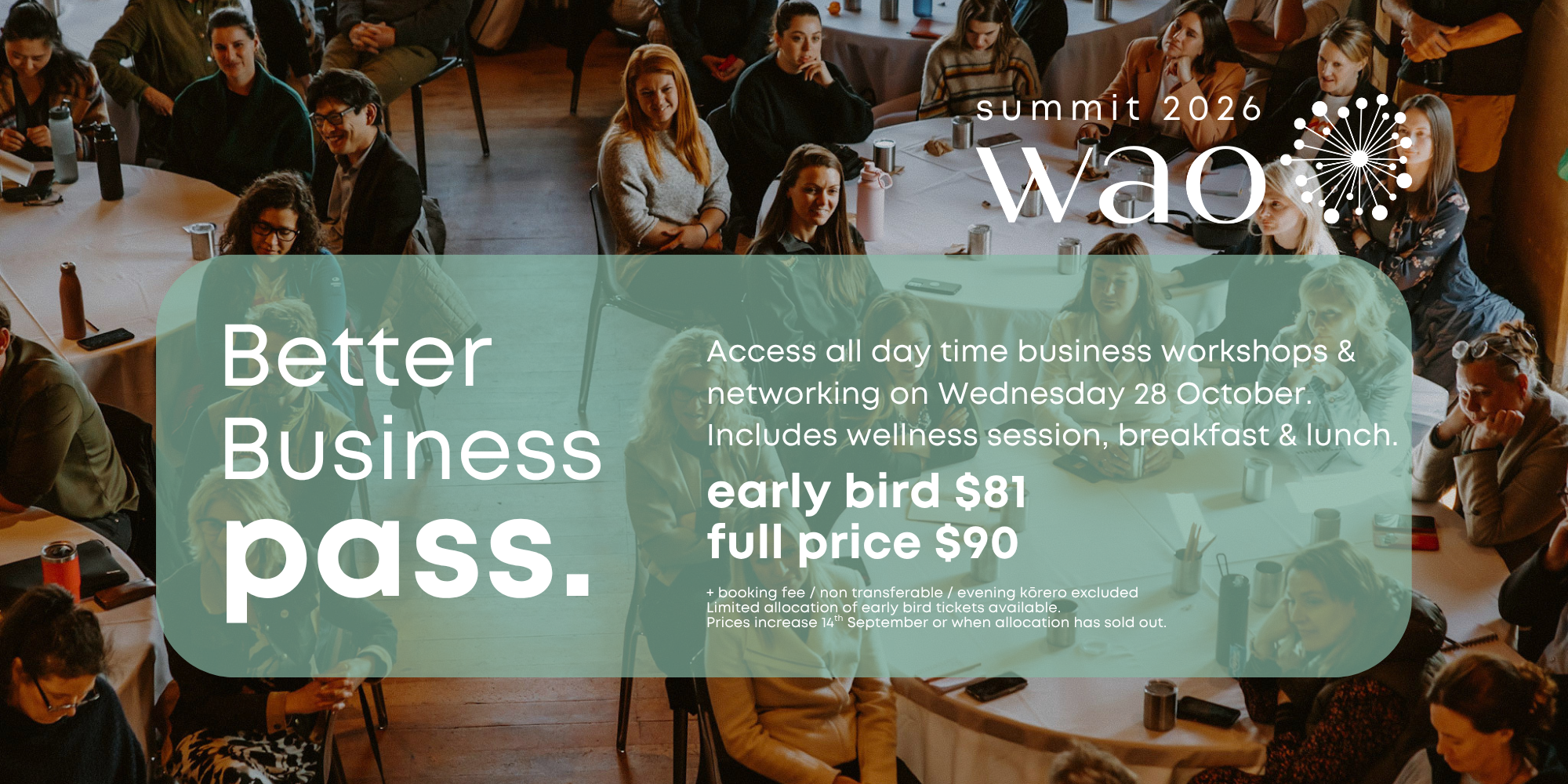
Better Business Day brings together visionary leaders, practical thinkers and purpose-driven businesses to explore what leadership looks like in a rapidly changing world. Through workshops, inspiring conversations and real-world examples, discover how hope, innovation and purpose can help create resilient businesses, stronger communities and a thriving future for generations to come.
Read more about the Better Business Day in this blog post by Kelcey Radford, Better Business and Events Programme Manager at Wao.
DAY PROGRAMME
Wednesday 28 October 2026
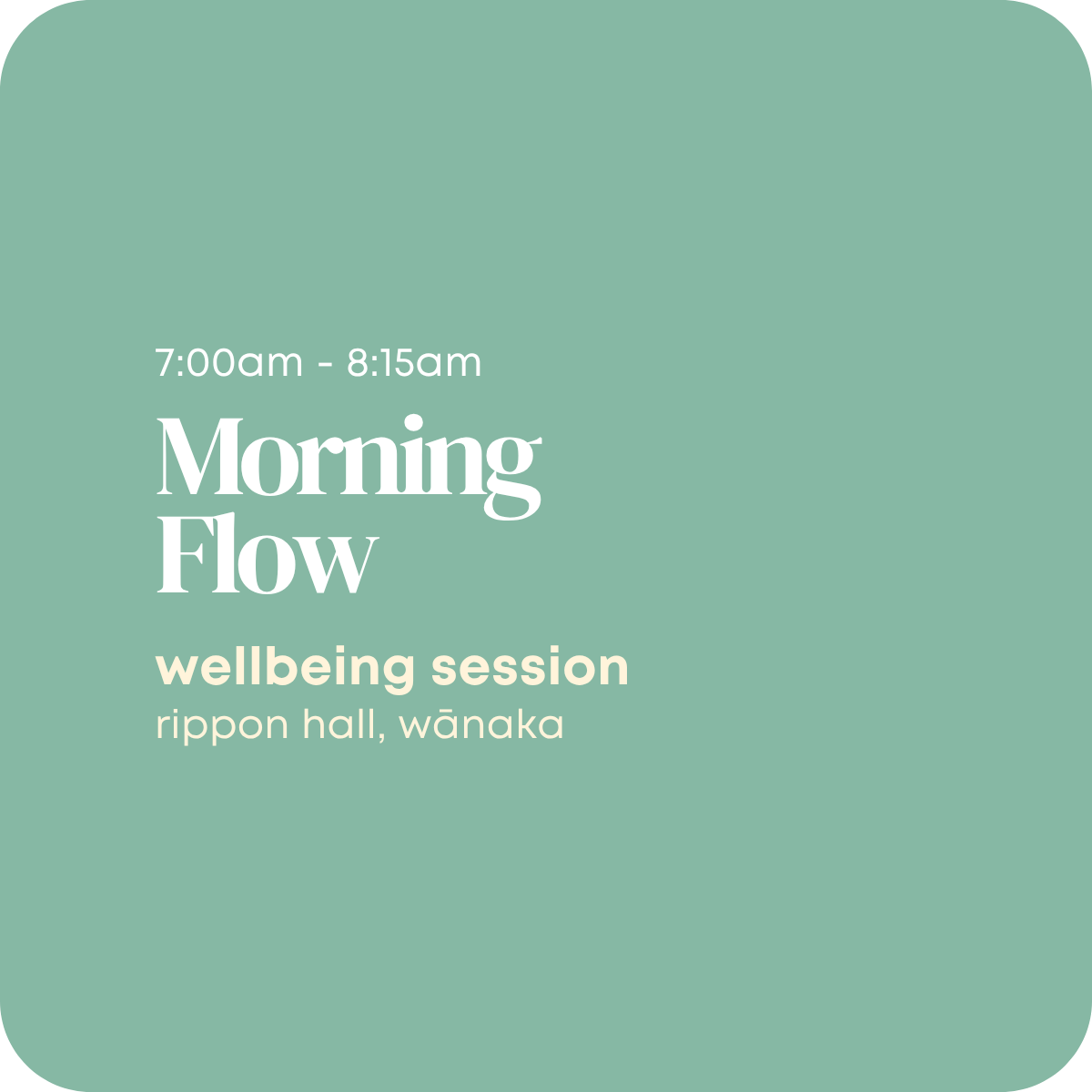
7:00AM: Morning Flow (optional)
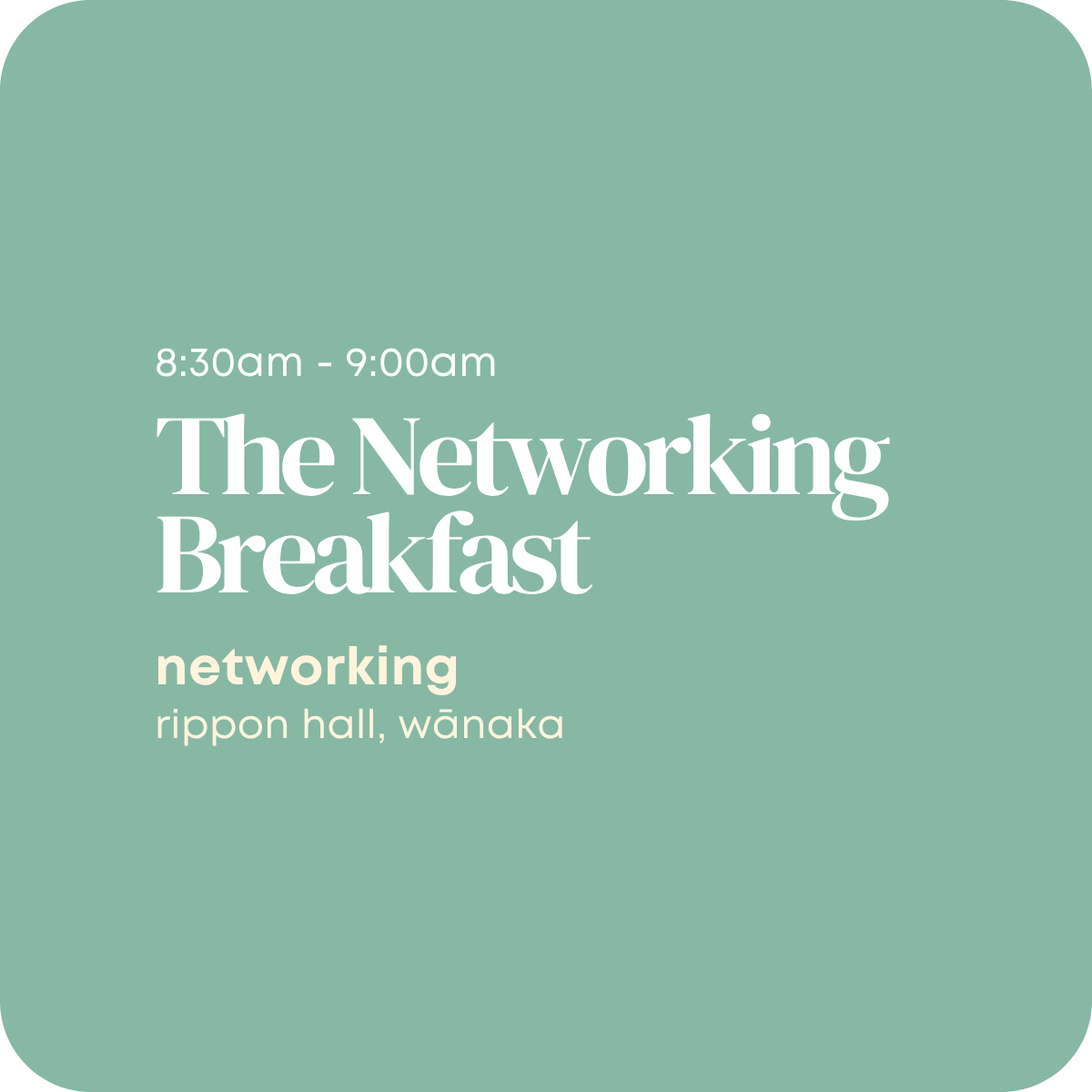
8:30AM: The Networking Breakfast
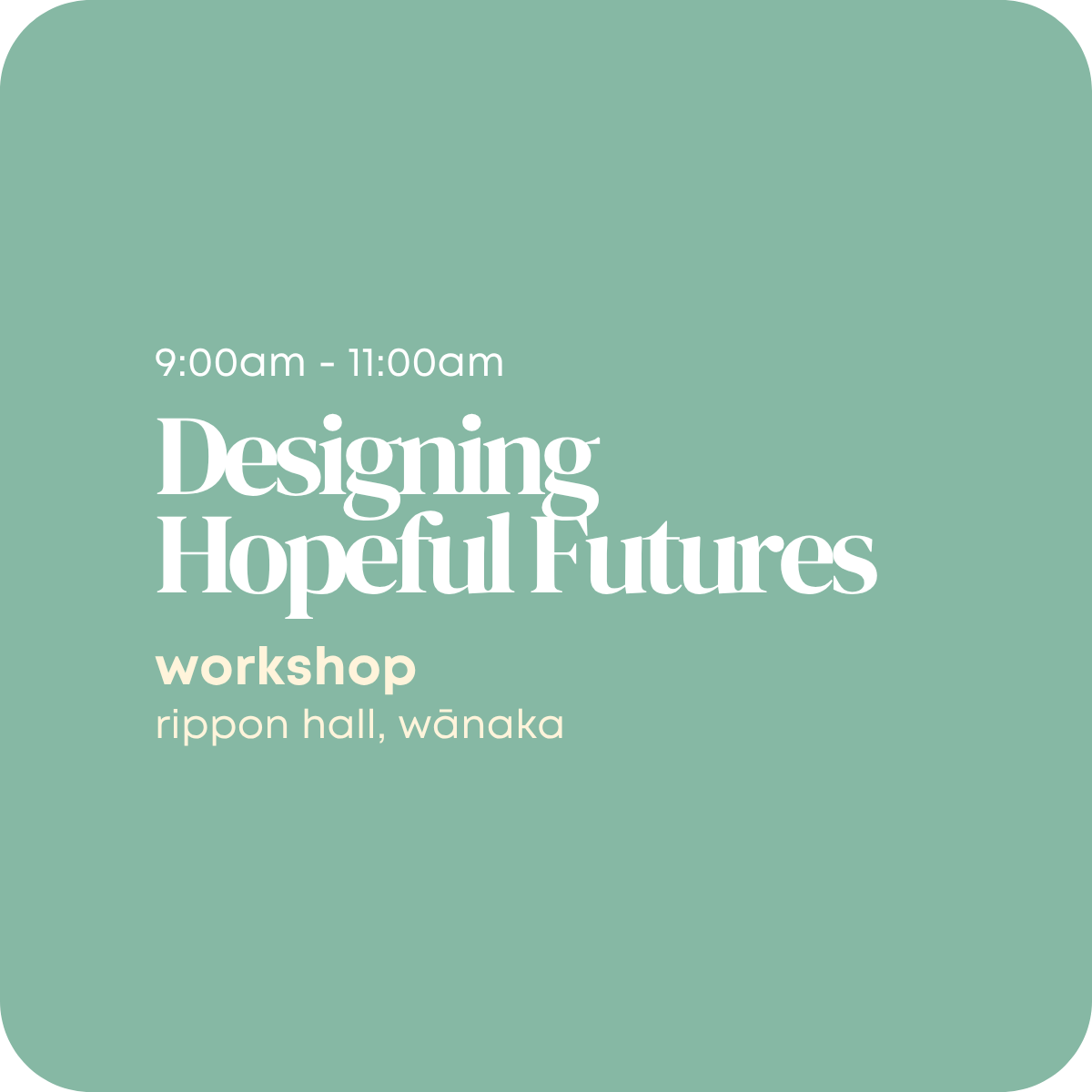
9:00AM: Designing Hopeful Futures
11:00AM: Morning Tea
11:30PM: Built to Adapt
12:30PM: Better Business Lunch
1:30PM: Innovation vs. Consent: Who Is Technology Really For?
2:15PM: Planetary Insights: Beyond Carbon
2:45PM: Afternoon Tea
3:15PM: Business as a Force for Good
5:30pm: Evening Green Drinks & Kōrero - The Age of Complexity: Navigating an Interconnected World(separate Kōrero ticket required. Better Business Day Passholders receive a $5 discount - purchase as a ticket add-on via Humantix after selecting your day pass to receive the discount)
Schedule subject to change, any updates will be communicated here and to ticket holders.
SESSION DETAILS - CLICK ON A SESSION FOR FULL DETAILS
Innovation vs. Consent: Who Is Technology Really For?
Science and technology are rapidly reshaping our world faster than society can scrutinise it. Yet every breakthrough depends on public trust. Drawing on decades covering global technology, Peter Griffin explores who innovation serves, why social licence is under pressure, and what it will take to ensure transformative technologies deliver broad human benefit.
From artificial intelligence and hyperscale data centres to gene editing and commercial spaceflight, technological progress is accelerating at a pace few societies can scrutinise.
Yet every breakthrough depends on something fragile: social licence. Drawing on decades covering global tech, Peter Griffin interrogates who today’s innovations truly serve, how power concentrates around capital and compute, and why public trust is fraying. This session explores the widening gap between builders and citizens, and asks what it will take to align ambition with accountability, so transformative technologies deliver broad human benefit rather than narrow advantage. Across sectors and borders, the stakes are rising.
YOUR SPEAKER
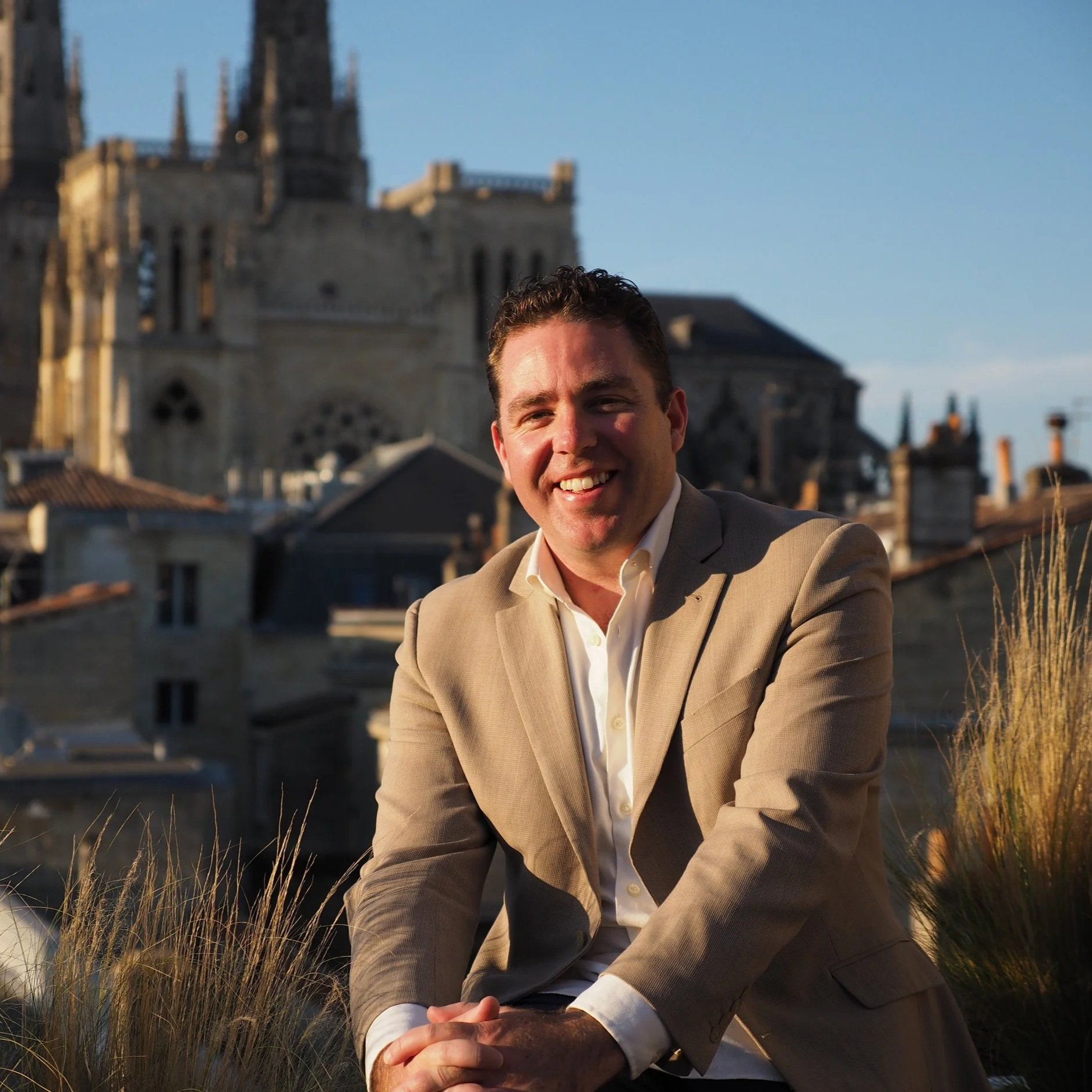
Peter Griffin is New Zealand's leading technology journalist, serving as BusinessDesk's primary tech correspondent, a columnist, and podcast host. He covers the intersection of technology, business, science and innovation.
Planetary Insights: Beyond Carbon
Discover how Planetary Insights measures organisational impacts across carbon, water, biodiversity, waste and other planetary boundaries, turning operational data into credible environmental accounts.
Carbon accounting tells only part of the story. Businesses and organisations also impact freshwater, biodiversity, land, waste, air quality, nitrogen, phosphorus and other natural systems that support society and the economy.
In this practical session, Kate Meyer introduces Planetary Insights, an environmental accounting platform developed under the Planetary Accounting Network.
The platform allows organisations to record everyday operational information such as energy use, travel, materials and waste, then calculate impacts across ten environmental footprints within one consistent system. Results are placed in context against science based planetary budgets, helping organisations understand material impacts and trade offs rather than viewing each issue separately.
Kate will demonstrate how the platform works, from guided setup and data entry to evidence capture, environmental accounts and reporting outputs. Participants will see how Planetary Insights can support credible measurement, informed decision making and environmental disclosure while enabling finance and operations teams to manage the process in house.
YOUR SPEAKERS
Founder/CEO The Planetary Accounting Network
Business as a Force for Good
Hear from purpose driven business leaders redefining success by creating value for people, communities and the planet alongside strong commercial outcomes.
What does better business look like in practice?
Join an inspiring conversation with business leaders who are proving that commercial success and positive impact can go hand in hand. Through honest conversation and real world experience, they will share how purpose, values and long term thinking influence the decisions they make, the challenges they have faced and the opportunities they see for the future.
Together, the panel will explore what it means to build resilient businesses that create value beyond profit, strengthen communities, care for the environment and inspire others to do the same. Rather than offering a single blueprint, this conversation will showcase different approaches to leadership, innovation and entrepreneurship that are helping shape a more resilient economy.
Whether you are starting a business, leading an established organisation or simply curious about what the future of business could look like, this session will leave you with practical insights, fresh perspectives and the confidence to lead with purpose.
YOUR SPEAKERS
CEO Central Otago Health Services
Founder, Taste Nature Social Enterprise

Co-Founder & Communications Director, Wao Aotearoa and Conscious
Founder and CEO, The Planetary Accounting Network
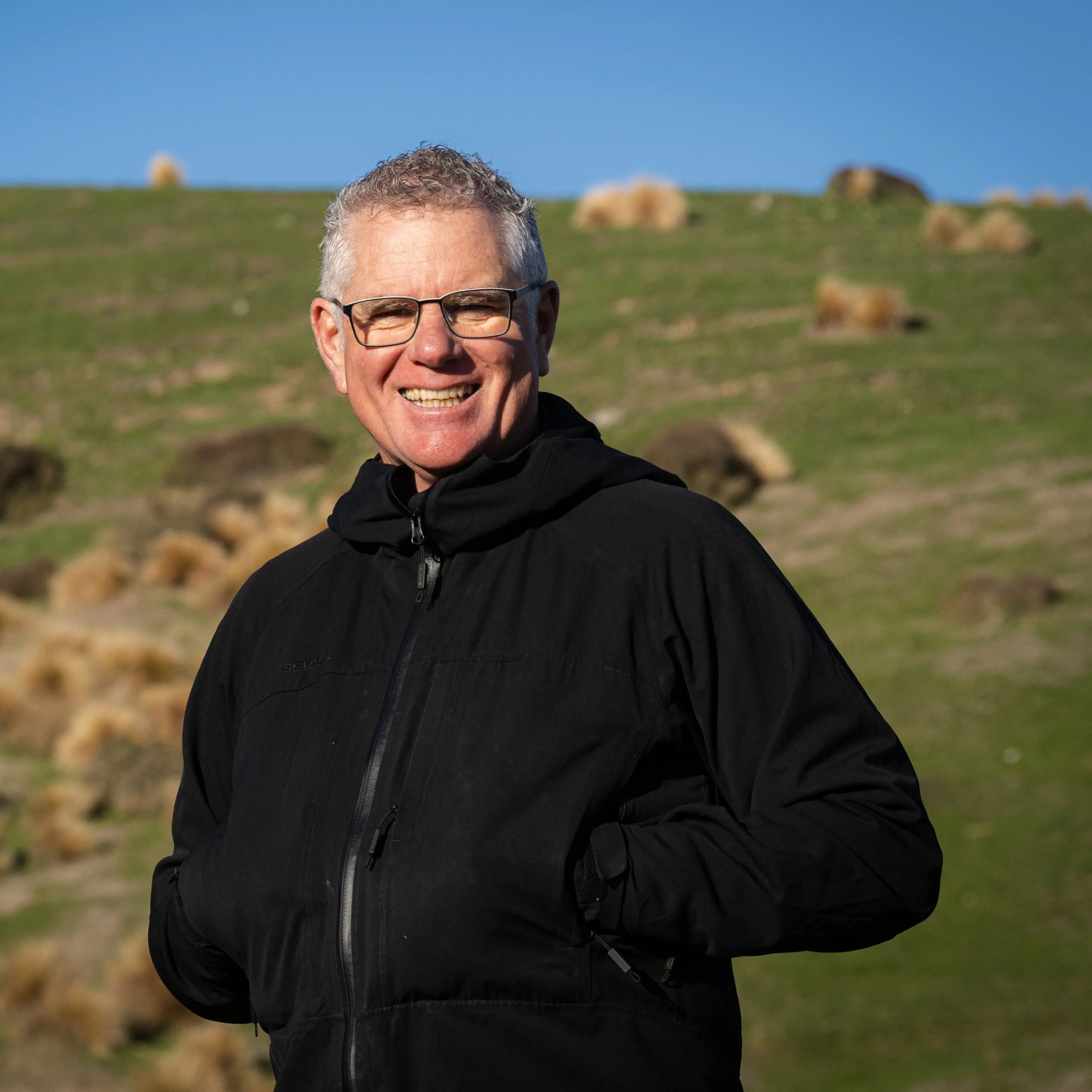
General Manager, Devold New Zealand
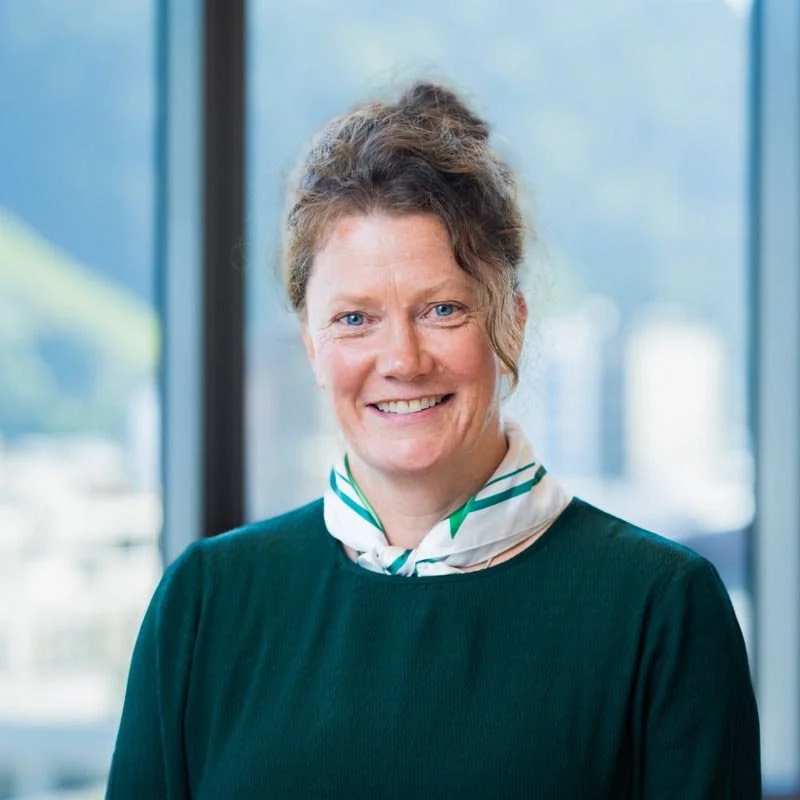
Professor and Head of Department at Otago Business School, Ōtakou Whakaihu Waka University of Otago
The Story of the Hall
Hear the story behind Rippon Hall, where thoughtful design, local materials and a deep connection to place have created a building made to endure.
Architect Rafe Maclean opens the day with the story behind the building and what it means to design something built to stand the test of time.
Designed for the family who have farmed and cared for this land above Lake Wānaka for generations, with walls of rammed earth dug from soil on site, trusses of larch milled from trees grown on the property, and floors of rimu recycled from Wairau Hospital. Hear the story while overlooking one of the most breathtaking views in Wānaka.
YOUR SPEAKERS
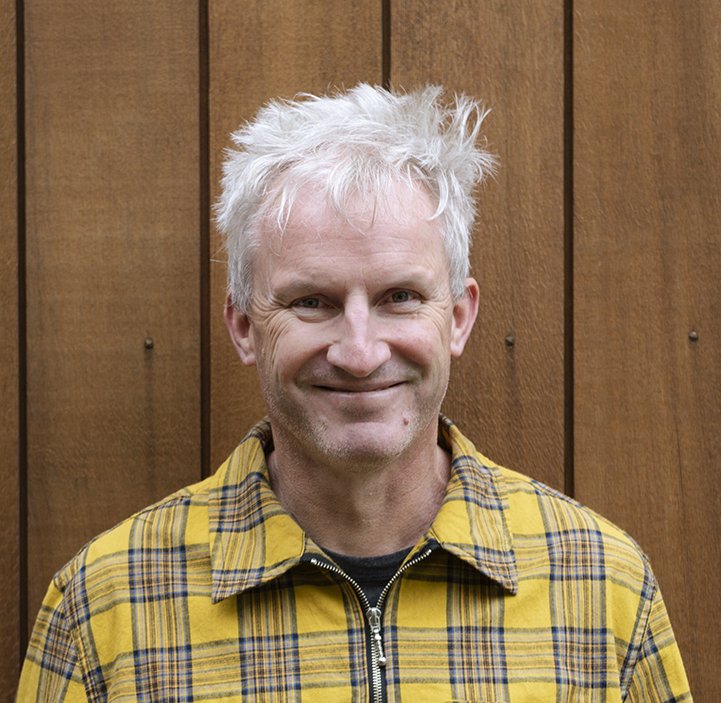
Principal, Rafe Maclean Architects
Journey to 2126
If we don't know where we're going, how do we know what to build? Journey to 2126 explores the future we're designing for, together.
The Journey to 2126 research project began with a simple question from the Better Building Working Group. We design and construct buildings that will shape communities for generations, but what will those communities need to thrive a hundred years from now?
The decisions we make today about housing, transport, biodiversity and food systems will continue to influence the places we live long into the next century. Designing for the future starts with understanding the destination. It requires us to recognise the constraints we face, imagine the communities we want to create, and make deliberate choices that move us towards them.
Join Monique Kelly as they introduce Journey to 2126, a long term research project exploring what thriving, resilient communities could look like in the year 2126. Joined by local students from the Future Makers programme, this session invites us to see the future through the eyes of the next generation and begin designing places that they, and those who follow them, will be proud to inherit.
YOUR SPEAKERS

Wao Aotearoa General Manager and Wao Summit Programme Director
Understanding Circularity
Circularity is more than recycling. Discover practical ways to keep materials in use longer and reduce waste through better design and decision making.
Recycling gets most of the attention in conversations about waste, but it's usually the last resort — not the first move. Understanding circularity properly means asking different questions earlier: what materials are we specifying, how long do they hold their value, and where do they actually end up.
Terri-Ann Berry, Environmental Innovation Centre, unpacks what circularity means in practice for the building industry — why reuse should be prioritised ahead of recycling, the real barriers to circular outcomes in Aotearoa, and the practical questions architects, designers and builders can ask when assessing a product's circularity. Drawing on real case studies, it's a grounded look at what's working, and what still needs to change.
YOUR SPEAKER
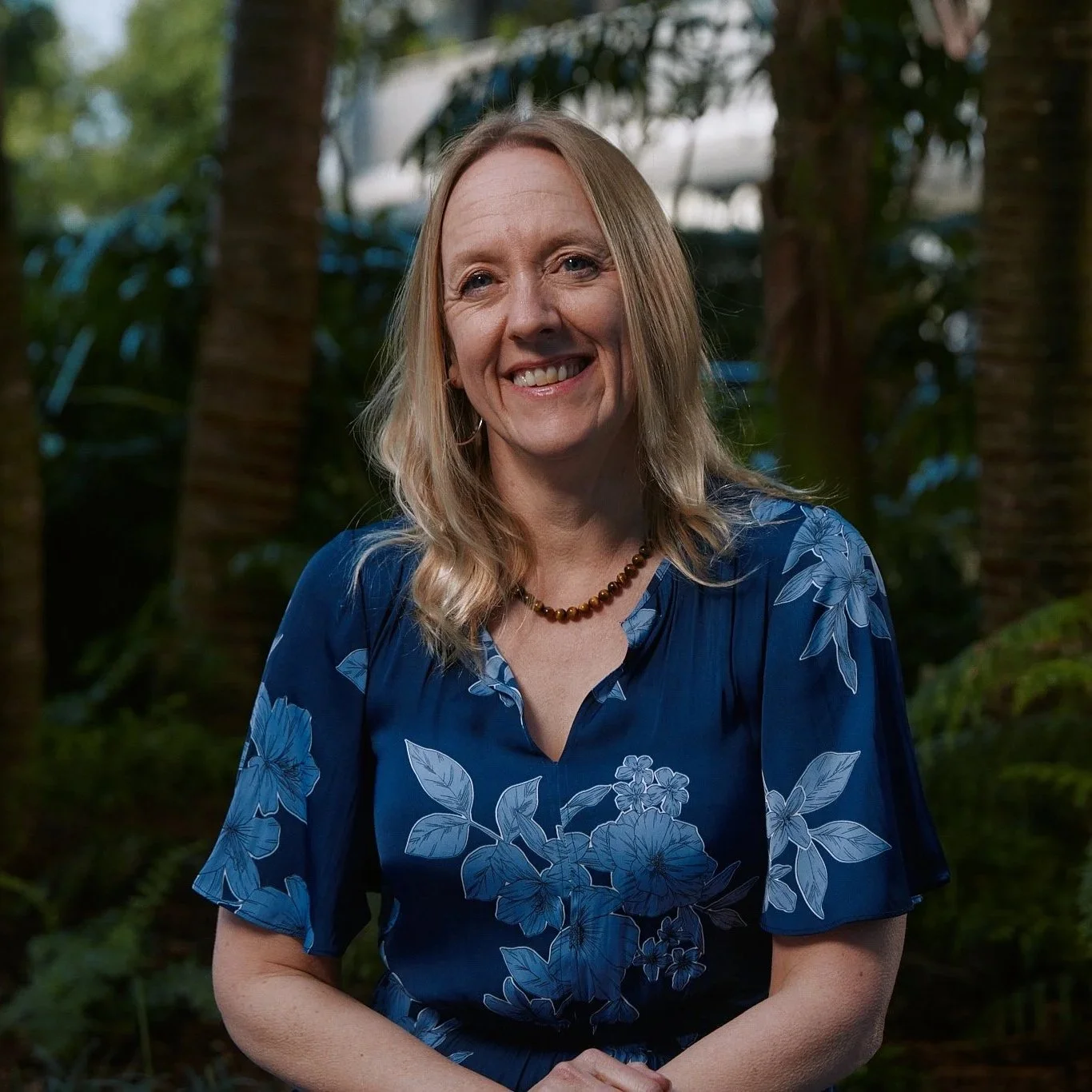
Co-Director, Environmental Innovation Centre & Associate Professor, Auckland University of Technology, Chartered Chemist, Chartered Environmentalist, Fellow RSC
The Role of Nature in the Built Environment
Sam Parsons explores natural capital and nature markets — how measurable ecological assets reduce risk, build resilience and create long-term value.
Climate change, biodiversity loss and resource pressures are changing how we think about economic resilience. Increasingly, organisations are recognising that healthy ecosystems are fundamental to the performance of communities, businesses and infrastructure.
This presentation explores the emerging field of natural capital and nature markets, showing how natural systems can be understood as measurable assets that reduce risk, strengthen resilience and create long-term value. Drawing on practical examples from across Aotearoa, Sam Parsons will demonstrate how organisations are moving beyond awareness to action by mapping natural assets, establishing ecological baselines and integrating nature into strategic planning and investment decisions.
YOUR SPEAKER
Nature & Climate Change Specialist, Boffa Miskell
Regeneration: A Positive Action We Can All Take In This Time
Every decision made in architecture has impact — which is what makes it a powerful counterbalance to the complex, interconnected polycrisis we face.
In this session, Charissa Snijders explores regenerative design: creating places that restore the land, contribute positively to climate, and strengthen the communities they serve. This way of working shows that regeneration isn't a luxury but a necessity — one that unlocks long-term value through greater resilience, stronger and more diversified income, and buildings that outperform the norm over time.
At the heart of this lies a paradigm shift in how we work. Our role is to reimagine how we repair, reconnect, and collectively make decisions conducive to life. This isn't a hero role — it requires deep, open collaboration with each other and with the places we work in, where the process of creating matters as much as the creation itself. One where trust and aroha are key to success. Let's talk reverance architecture.
YOUR SPEAKERS
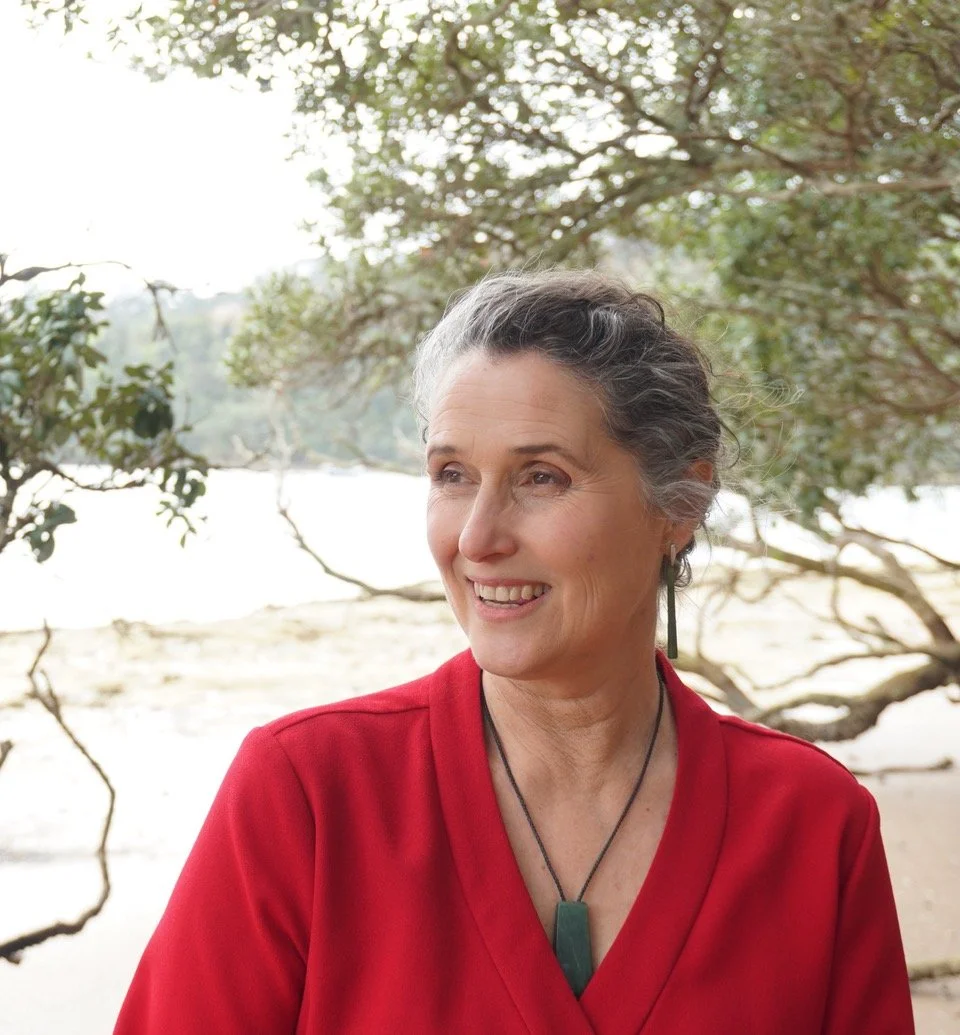
Architect at Charissa Snijders Architect, 2025 finalist for the Sustainable Business Network (SBN) Next List - Transformational Leadership.
Designing with Māori and Pacific Values
How can Māori and Pacific knowledge shape the future of housing and design? Explore approaches to creating places where people, cultures and communities can thrive.
The places we build shape far more than our physical surroundings. They influence identity, belonging, wellbeing and the resilience of communities for generations to come.
Join Dr Karamia Müller of Waipapa Taumata Rau, University of Auckland, as she explores how Māori and Pacific knowledge and values can help shape the future of architecture, housing and the built environment in Aotearoa. Drawing on her internationally recognised research into Indigenous spatial concepts and community-led housing, Karamia will share how design informed by whakapapa, tikanga Māori and Pacific knowledge systems can create places that strengthen connections between people, culture and te taiao.
Dr Karamia Müller is a Mana Tūāpapa Future Leader Fellow and Co-Director of MĀPIHI Māori and Pacific Housing Research Centre at Waipapa Taumata Rau, University of Auckland. In this session, she explores how Māori and Pacific knowledge and values can help shape the future of architecture, housing and the built environment in Aotearoa.
YOUR SPEAKERS
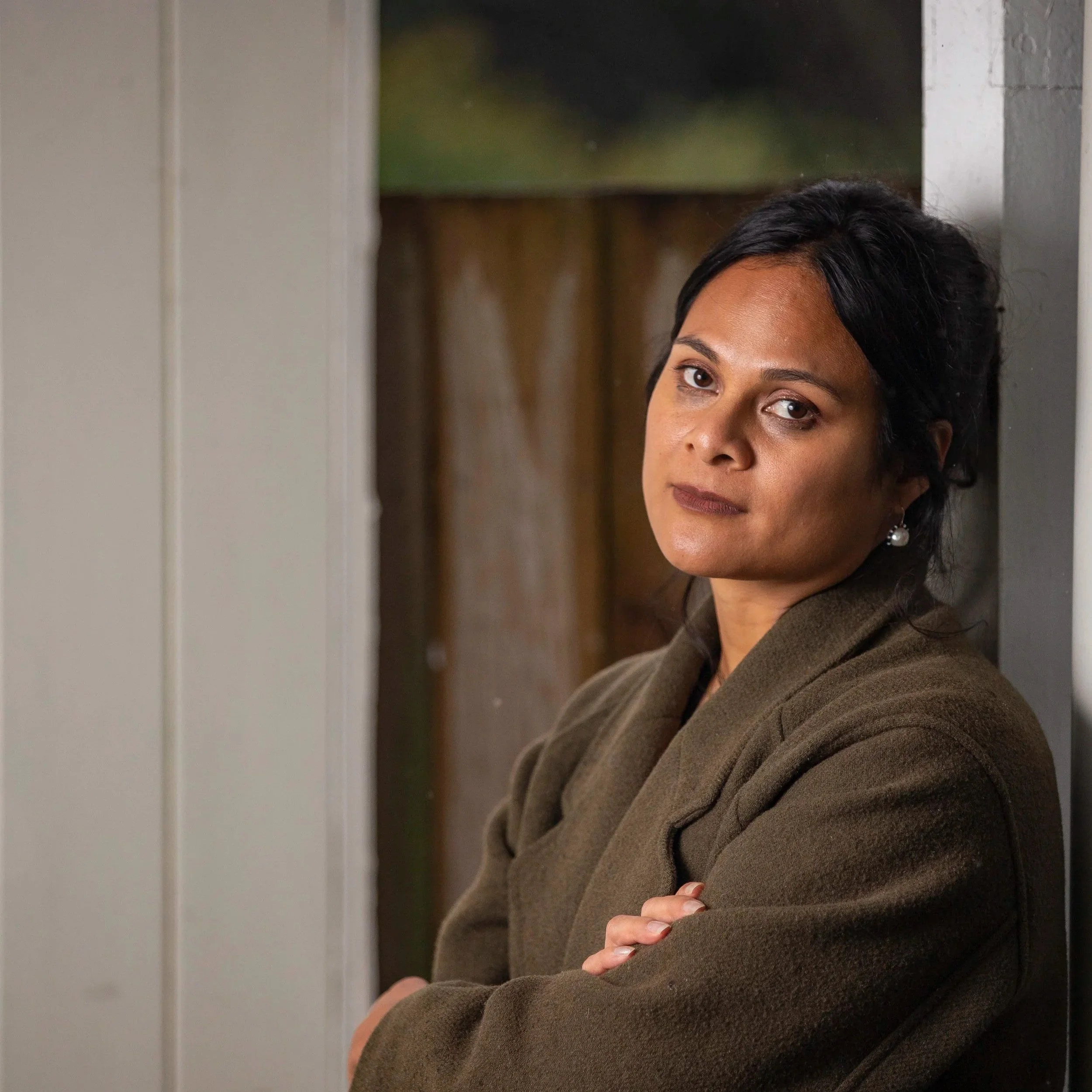
Mana Tūāpapa Future Leader Fellow and Co-Director of MĀPIHI Māori and Pacific Housing Research Centre at Waipapa Taumata Rau, University of Auckland.
Leading with Purpose
Values shape every decision. Discover how long term thinking, leadership and sustainability are creating buildings, businesses and communities that endure.
For more than 85 years, Breen Construction has believed that how you build is just as important as what you build. Guided by the values of continuity, contribution, integrity, safety and wellbeing, and family, the company is demonstrating how leadership and long term thinking can shape both business success and positive environmental outcomes.
In this session, Lindsay Breen shares the leadership philosophy behind the company's sustainability journey, including the decision to invest in a high performance passive office in Wānaka and the practical initiatives transforming the business. From reducing construction waste and improving recycling to electrifying its fleet, measuring carbon emissions and embedding sustainability into everyday operations, Breen is showing that meaningful change begins with values, not compliance.
This session explores how purpose driven leadership can influence culture, decision making and the built environment, creating lasting value for people, communities and future generations.
YOUR SPEAKERS
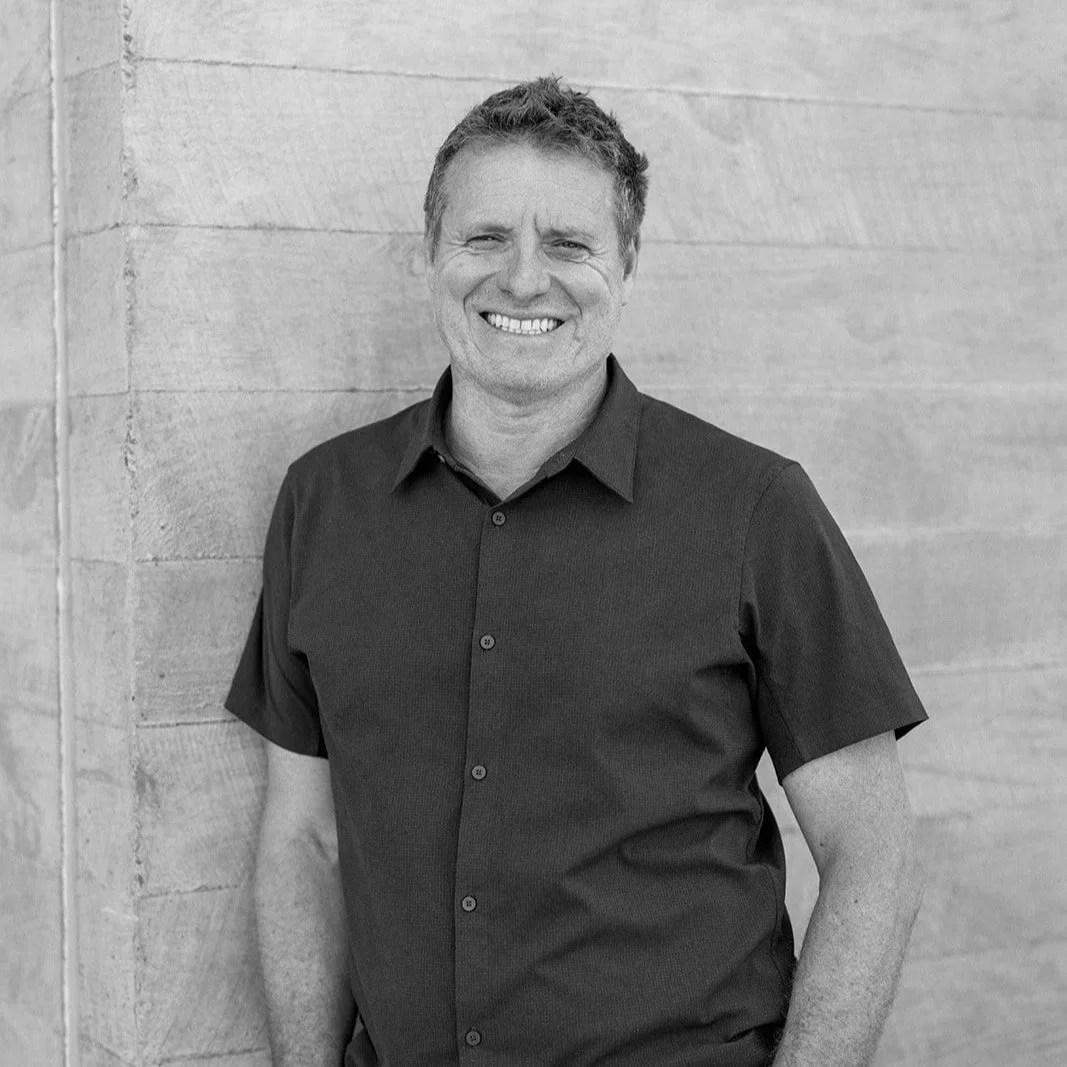
Director & Managing Director, Breen Construction
Better Building Brekkie at Queenstown Airport
This event it brought to you by Queenstown Airport Corporation
Discover how circular economy principles are being applied to a major infrastructure project and explore practical ways to reduce waste through better design and construction.
What does it take to embed circular thinking into one of the region's largest infrastructure programmes?
Join us at Queenstown Airport's Provenance Café at 7.30am for a Better Building Brekkie and hear from the team behind Queenstown Airport’s capital works programme about circularity and better waste management.
Queenstown Airport will also discuss how broader sustainable design principles are being factored into the design and delivery of the Airport's capital works programme.
This is a free event thanks to our Better Building Sponsor Queenstown Airport Corporation
CPD points for NZIA members:
NZIA-registered ticket holders are eligible for 10 CPD points for attending this event. Check out the FAQ page for more information.
LBP points can also be claimed for attending.

Slow the Flow - A Floodplain for the Future
Can we undo decades of damage by working with nature instead of against it? Discover how Environment Southland is reimagining floodplain management to restore balance, reduce risk, and protect precious waterways.
Business Carbon Footprint & Certification Workshop with Ekos Kāmahi - Queenstown
How can your organisation take real, measurable steps toward climate accountability? In this practical and interactive workshop, Ekos Kāmahi will guide businesses through the process of understanding, measuring, and certifying carbon footprints. You’ll learn how to move beyond good intentions and into credible action, with tools and insights that make carbon reporting both accessible and meaningful.
Understanding Biodiversity Credits with Ekos Kāmahi
What if regenerating nature was also good for business? Discover how biodiversity credits are creating a bold new future where enterprise and ecosystems grow together. With Sanctuary Mountain Maungatautari and Ekos Kāmahi Ltd.