
Module Four: Pre-Planning & Materials Selection
Contents
Video
Optional Webinar
Introduction
Pre-Planning
Design Clarifications
Site Preparation
Pre-Planning Material Flows
Protect Nature
Materials Selection
Looking Beyond Conventional Materials
Resources/Links
Professional Development Points
Quiz
Video
Optional Webinar
Tune into the Pre-Planning and Materials Selection webinar recording to hear practical insights on how better pre-planning and material selection can reduce waste, improve building performance, and support healthier homes.
Featuring speakers Delia Bellaby, Eva Rowe, and Joel Herbert, each offering different industry perspectives about the decisions that matter early in a project and why collaboration is key to better building outcomes.
If you are completing this training module for NZIA CPD points, additional points are available for watching this webinar. You can indicate this when completing the quiz below.
Introduction
Once designs are finalised it’s time to break ground….wait, hold up! That would be a recipe for disorganised chaos.
There’s a lot that goes into preparing for a build once the designs are finalised and the build starts. Preparing services, site organisation, materials selection and quantities, among others.
While each team will have their preferred methods for preparing for a project and selecting materials, the aim of this module is to share good practices and tips to consider for your next project.
Pre-Planning
Pre-planning is the process of thinking through and organising a project before work begins.
This can include design clarifications, material selections, product deliveries, site organisation, and post-build decisions. Whether you’re just beginning to consider a project, preparing for site set up or getting ready for project completion, effective pre-planning is key to successful outcomes.
It’s also helpful involving multiple stakeholders early in the process so everyone is aligned from the outset of the project. This may include suppliers, designers, waste service providers, sub-contractors, and other project partners. Early coordination helps reduce misunderstandings, improve efficiency, create smoother project delivery and help achieve more sustainable outcomes.
Design Clarifications
If we go back to our learnings on Module 2: Circular Economy 101 and refer to the waste hierarchy, Rethink and Reduce are the two highest priority actions. Can builders, architects, suppliers and other stakeholders work together to Rethink certain aspects of the build to Reduce the amount of materials needed?
For example, builders may be able to work with designers to review framing layouts and determine whether dwangs or nogs can be reduced, or even required at all.
Details around this are laid out in full on NZS 3604:2011 (pg. 207 and 230), or see Placemakers’ Framology webpage for a simplified breakdown.
If not using a bracing element to eliminate dwangs or nogs, they can at least be reduced. Common practice sees dwangs or nogs being used at 90 × 45 mm, coming flush at both sides of the stud. According to BRANZ, no edition of the NZS 3604 Timber-framed buildings has ever specified 90 × 45 mm. The current edition specifies 45 × 45 mm with it only coming flush on the inside wall.
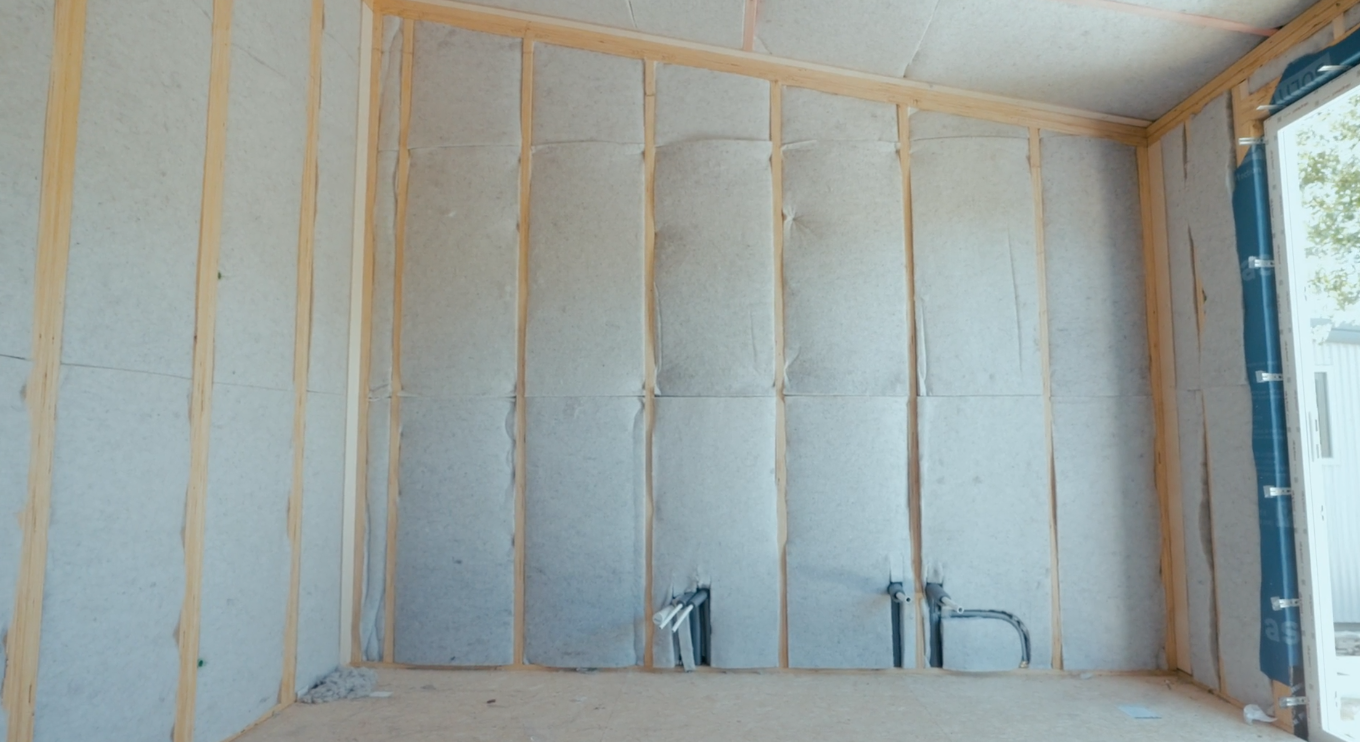
Eliminating or reducing dwangs/nogs can go a long way in reducing timber off-cuts and waste. Given that timber is one of the largest sources of construction waste in the Queenstown Lakes District, even modest reductions can have a meaningful impact.
Reducing or eliminating dwangs/nogs can also offer a range of performance and construction benefits:
Reduced thermal bridging = better insulated homes = reduced operational greenhouse gas emissions
Reduced materials = cost savings and more efficient use of trees and all they offer
Time/labour savings
Reducing or eliminating dwangs or nogs is one example of how small design changes made early can significantly reduce material use and in return waste to landfill.
Site Preparation
Once design decisions have been finalised – and hopefully reviewed and assessed to improve sustainability outcomes – next comes the site preparation.
When organising a site, it’s important to consider how it can be set up to make best practices easy for everyone to follow.
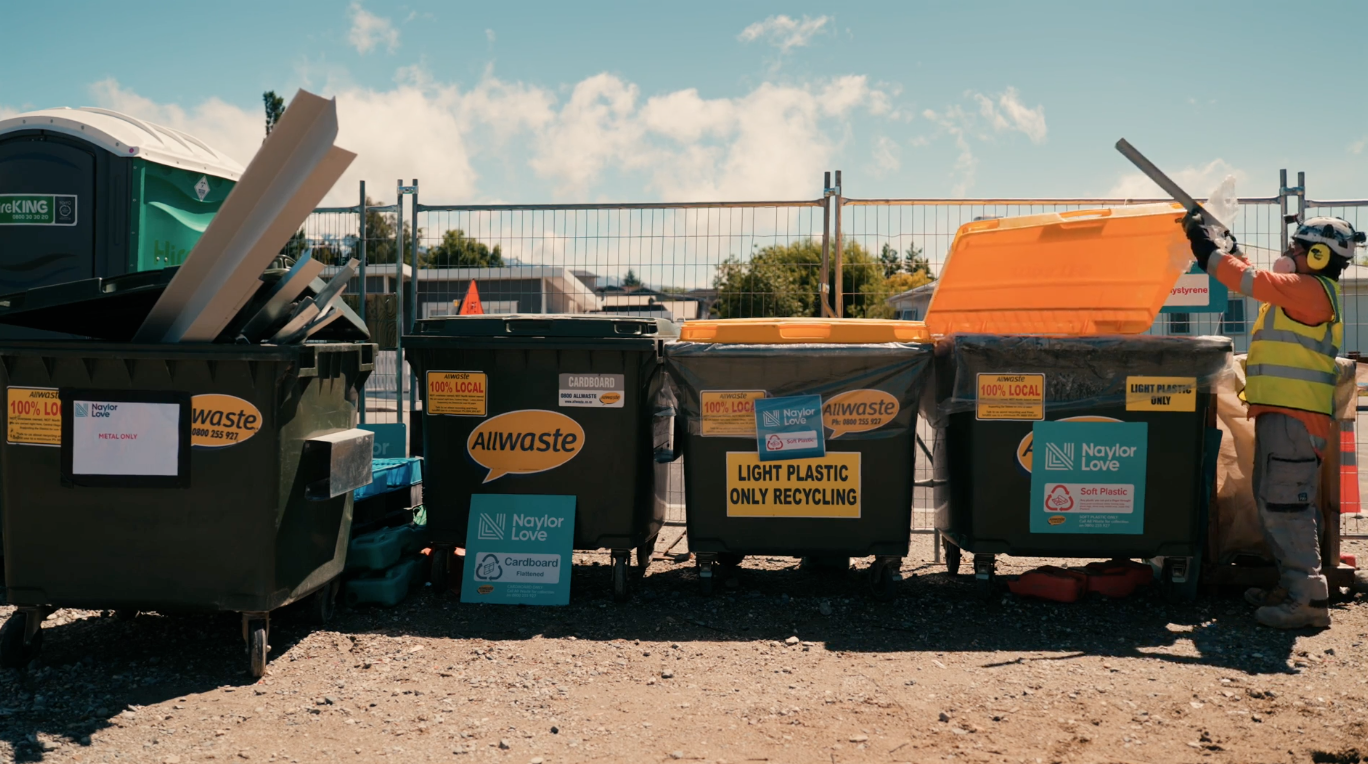
Before construction begins, determine what waste streams will be generated and how they will be managed. Knowing where timber, metal, cardboard, plasterboard, and other materials will go makes recycling and reuse much easier throughout the project (in our next training, Module 5: On-Site, we’ll cover Site Waste Minimisation Plans).
Designated, covered storage and sorting areas can help protect materials from damage, prevent wind blowing materials over the neigbourhood, and make it easier to separate materials for use, reuse, recycling, or disposal.
Pre-Planning Material Flows
At later stages of a build or before renovation or demolition work begins, consider what existing materials can be retained, salvaged, or reused. If they’re not needed on the current project, can it be saved for alternative or future projects? The more we protect our materials on-site, the more likely it is we can reuse them or share them with others in the community.
Pre-planning is also extremely helpful when thinking about supplies. Did you know that instead of ordering all of your supplies up-front (which can mean excess materials sitting around where they’re more likely to be damaged), you can work with your suppliers to use on-time delivery orders?
You can tell your supplier what materials you need, and at what stage of the build you will need them - basically arranging delivery of materials to coincide with construction project stages.
Not only are on-time delivery orders easy to adjust if needed, they help reduce over-ordering and the likelihood of throwing away unneeded or damaged materials.
Whether using on-time delivery orders or not, checking and double checking quantities is always important.
One of the most effective forms of pre-planning is designing systems that make the right choice the easy choice. When materials are clearly stored, waste streams clearly identified, and suppliers aligned with project goals, sustainable practices become part of everyday site operations rather than an extra task.
Protect Nature
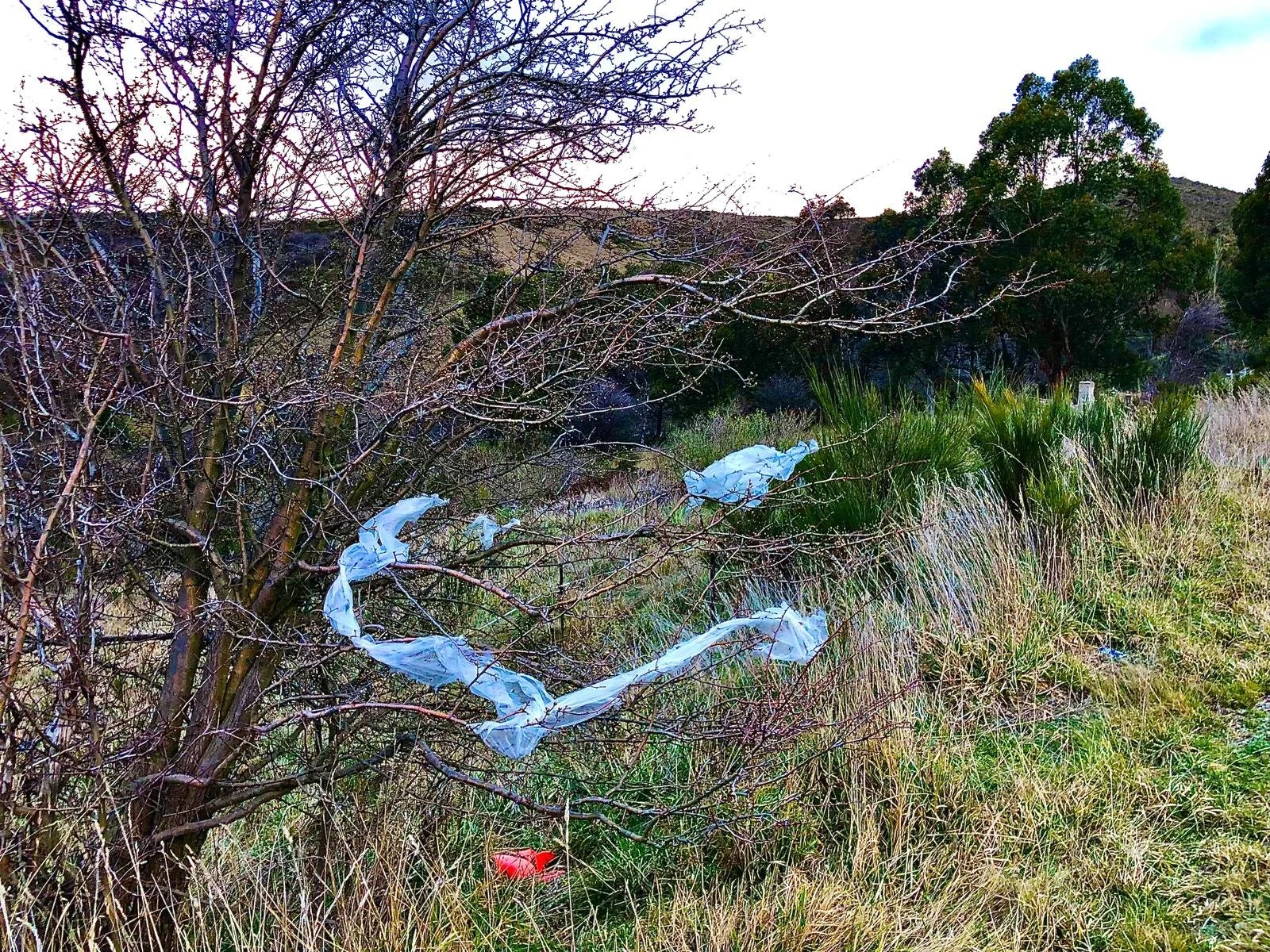
The above image is unfortunately not an unfamiliar sight. Especially during windy periods, packaging materials (such as light plastic wrapping from timber deliveries or polystyrene) can easily be blown off-site and polluting the local environment.
Sadly, construction materials end up polluting our land and water, causing harmful effects on the environment and on human health. It’s important to do all we can to keep them contained.
When thinking about a site set up, protecting the local environment should be right up at the top. Wind-blown waste and site run-off can be mitigated by proper and well considered site set up. Keep polystyrene cutting contained in an enclosed area. Use proper cutters and retention mechanisms to mitigate against run off.
It can also get into our waterways. Sediment and construction materials and waste (microplastics, toxic chemicals, polystyrene offcuts) can easily run off into stormwater drains. These drains often go directly into our lakes, rivers and oceans. Especially in the Southern Lakes region, pollution from site run-off can enter stormwater drains, which go straight into our lakes and drinking water.
To stop site run-off, set up adequate fencing and drain catchments. Not only that, but sites are required by law to prevent any unauthorised discharge.
For more information, check out QLDC’s two-page Environmental Site Management document.
Even better than dealing with waste on-site is not getting potential waste to site in the first place. Most suppliers should be familiar with the concept of nude deliveries (deliveries without unnecessary single-use plastic wrapping). When making your next orders ask your suppliers for nude deliveries. A tarp can do the job just as well, if not better – and can be used more than once!
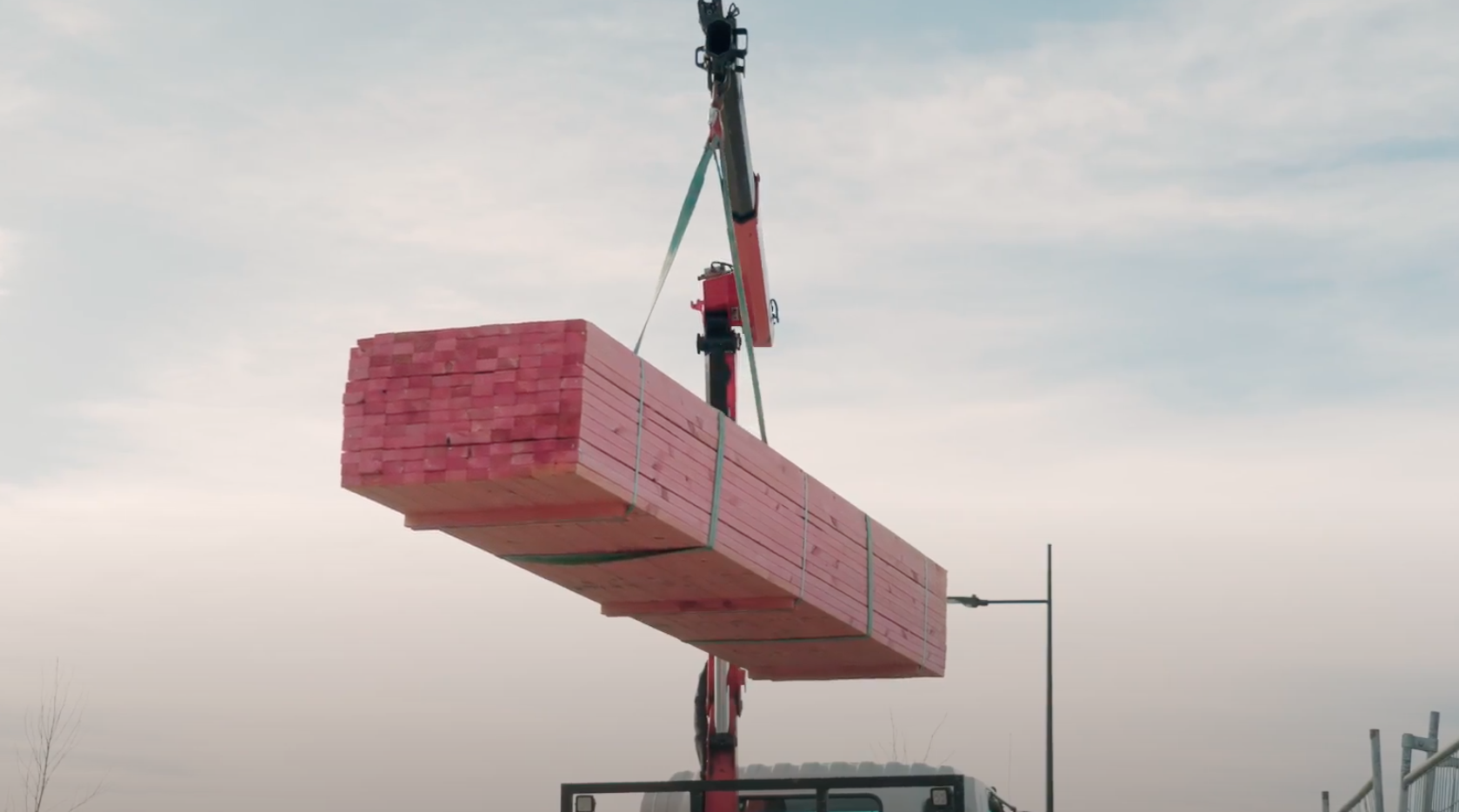
Some suppliers are even using reusable timber wrapping. Ask your suppliers today about what options they have.
Pre-planning can benefit almost every stage of a build. By taking the time to think ahead, opportunities for better building practices become easier to identify and implement – saving you time and money, and helping reduce waste and our impact on the environment.
Materials Selection
Materials selection isn’t just about what are the right materials we should be using in a build, but also about how we choose to implement building materials.
According to a 2021 Circle Economy report, the world extracts over 100 billion tonnes of materials each year. It’s further estimated that the built environment uses almost half of that!
“Current projections estimate that between now and 2060 across the world the equivalent of the city of Paris will be built each week.” - The Ellen MacArthur Foundation.
Unfortunately, the world does not have an endless supply of these materials. That’s why reducing the amount of materials we use when building is so important.
To paint a picture:
Over the last century, bespoke multi-bedroom homes have become not only commonplace, but highly desirable here in New Zealand. Home building has often been driven by the question: how large can we build for the lowest possible cost?
But does the standard family home really need four bedrooms, a large garage, and unique window shapes? This approach typically requires more materials, more labour, and often over-engineering to produce highly customised spaces. The result is more time and money spent on excess construction, frequently at the expense of overall build quality, while also generating more waste during construction and at the end of a building’s life.
Instead of spending more on extra materials and unique spaces, could those funds be redirected into creating better and more sustainable homes and buildings?
A rising trend is to build smaller, but with better quality materials. By reducing a building’s overall footprint, funds can instead be invested in higher-quality materials and improved building performance — supporting longevity, human health, and better environmental outcomes.
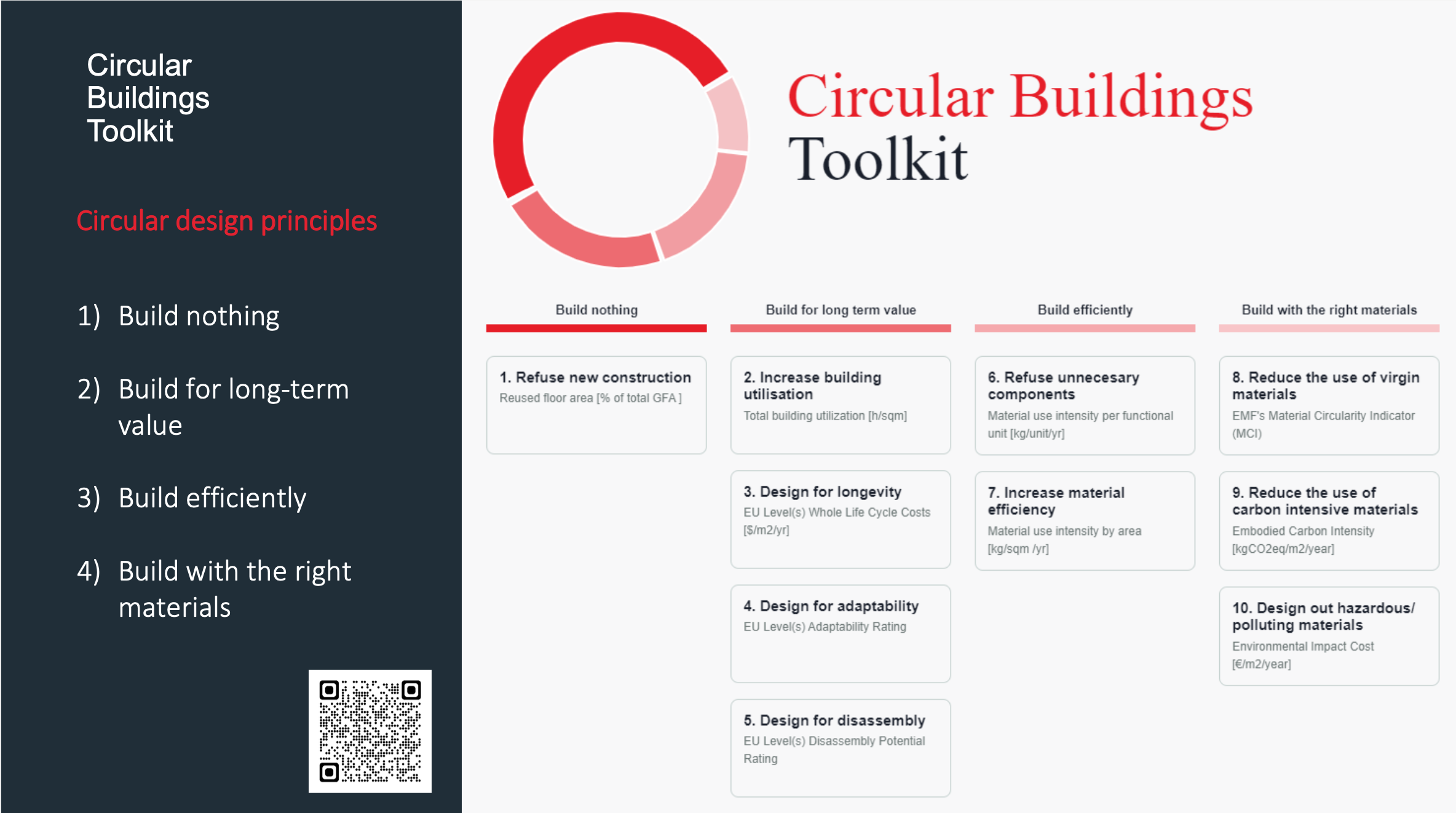
The above image comes from Arup’s Circular Building Framework. In the example of building smaller but with better quality, many of Arup’s principles can be achieved. However, when it comes to building with the right materials, how do we know which to choose? When options and information are endless, making the right choice can be overwhelming.
Level (a subsidiary of BRANZ) has great resources about Material Use. When considering material selection they advise the use of:
Materials from renewable or replaceable sources
Materials made with recycled components
Materials that are in plentiful supply
Materials that have durability and longevity characteristics.
Materials with a lower environmental impact across their whole life cycle.
Life cycle assessment considerations include:
How materials are extracted and manufactured
Where was it sourced?
How is the material constructed, and how is it installed?
How does it perform?
What are the waste disposal, recycling or reuse options at the end of its life?
Asking these questions is a great starting point when considering which materials to use. Let's look at insulation for example.
While some fiberglass insulation may contain features like recycled glass, many traditional fiberglass insulations use toxic binders that can negatively affect air quality. This can create or worsen health and respiratory issues from dusting when installing, disturbing or tearing it. And once fiberglass insulation reaches the end of its life, it is generally considered non-recyclable due to the glues and binders holding it together - ultimately filling up our landfills, or if mishandled or mismanaged, polluting the local environment.
Polystyrene is another toxic material commonly found on building sites, typically used as underfloor insulation. In an ideal world we would stop using it. While it is recyclable and can be remade back into itself, it can easily get out into our environment and has a damaging effect on wildlife and in waterways. We need to be extra careful when working with it and make sure to recycle it.
A growing insulation alternative, especially here in New Zealand, is wool. Not only is it abundant, but it’s naturally renewable and biodegradable, non-toxic, and requires minimal processing compared to synthetic alternatives. At the end of its life as insulation, it can either be remade/recycled into more insulation, repurposed into other products (like animal bedding), or even composted in a garden (just make sure that the insulation is 100% wool as you don’t want plastics in your home food system). If it does manage to get out into the local environment, it will biodegrade and not cause harm to the environment, people, or wildlife.
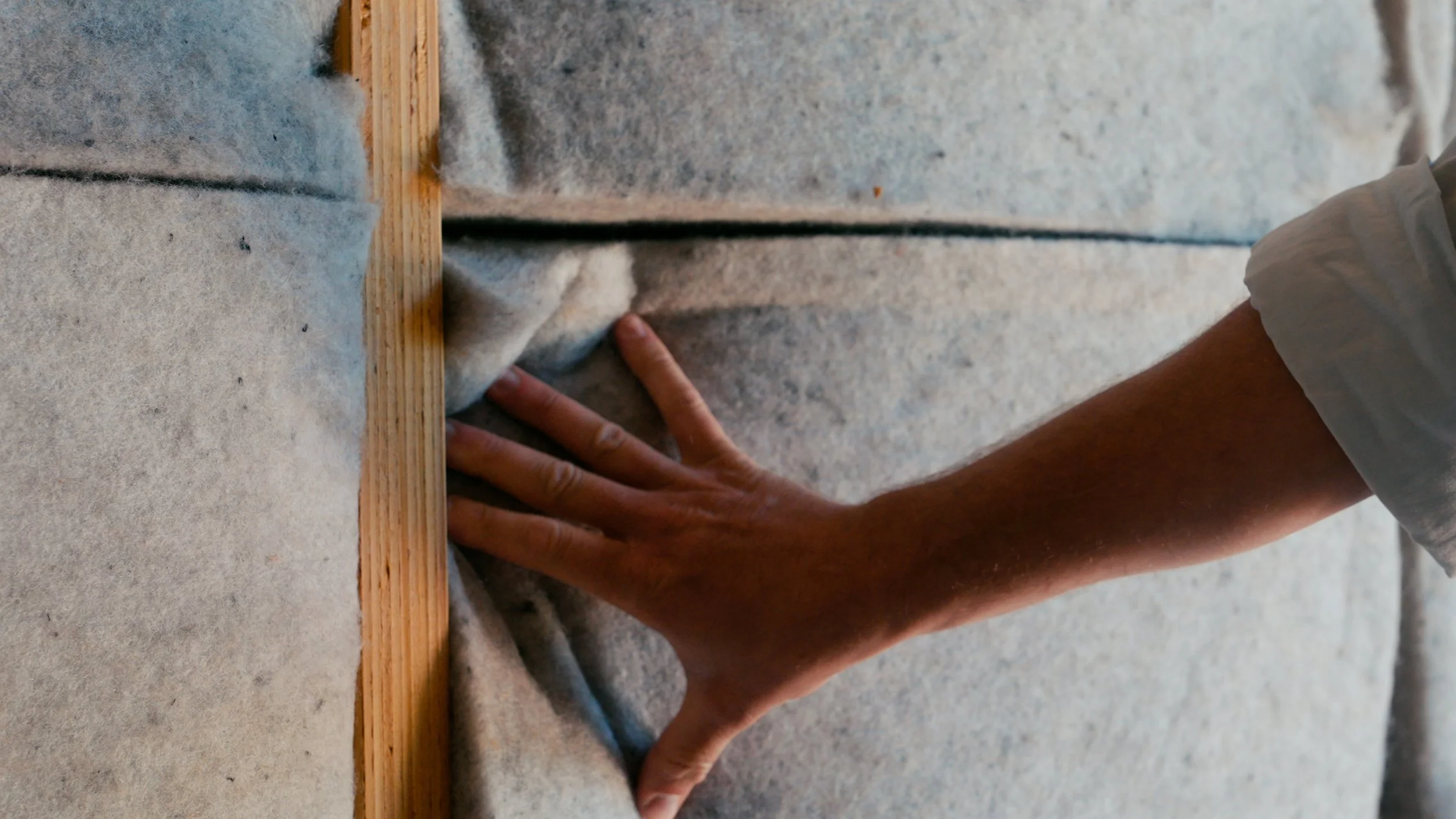
While insulation is a common example, there are hundreds if not thousands of different materials that go into a building, many of which aren’t as easy to say “good” or “bad”.
Some material choices may appear straightforward, while others have more complex considerations. Fortunately, there are tools and resources and a growing awareness throughout the industry helping designers, builders, and clients make more informed decisions.
Environmental Product Declarations (EPDs)
The International EPD System is a widely recognised resource used to assess and compare the environmental impacts of products. An EPD is a verified and registered document detailing a product’s life-cycle environmental impacts, resources use, and waste and output flows.
EPDs are useful because they help provide transparency around a product’s environmental footprint and allow you to compare it against other products more easily. See the Australasia EPD Programme for more localised information.
New Zealand-Based Certifications
Eco Choice Aotearoa is New Zealand’s official ecolabel and identifies products and services that meet recognised environmental standards, including a range of construction-related products.
Healthy vs Toxic Material Choices
Developed by the International Living Future Institute, Declare acts like a “nutrition label” for building products, helping users quickly understand what ingredients and chemicals are present in a material.
Also developed through the Living Building Challenge framework, the Red List identifies “worst-in-class” substances prevalent in the building industry that may pose serious risks to human health and the environment.
Product Stewardship and Take-Back Schemes
Product stewardship involves manufacturers taking responsibility for products throughout their entire life cycle, including recovery, recycling, or disposal at the end of use.
This is increasingly being seen through take-back schemes for products like paint, PVC piping, plasterboard, and carpets.
When selecting materials ask your supplier or the manufacturer if they offer a take-back or recovery scheme - and if they don’t, ask why not. The more materials and products we can put back into the system helps reduce waste and supports a more circular economy.
Looking Beyond Conventional Materials
Is there a way to move beyond conventional building materials that are harmful or toxic? Even the amount of treated timber used in buildings could be reduced, as untreated timber can still achieve similar outcomes in many cases, without the use of toxic chemicals.
While improving the options for more widely-used conventional materials choice is important, the use of alternative and regenerative materials – some of which are derived from long-standing practises – is being prioritised by some for having a low or even positive health and environmental impacts.
Materials such as hempcrete, strawbale, and even Mass Timber are increasingly being explored for their low embodied carbon, renewable sourcing, carbon sequestration potential, ability to support healthier indoor environments, and better end-of-life and environmental outcomes.
A great breakdown of several of these materials can be found in the building material section of MBIE’s Emerging trends in building design, technologies, and materials report.
Resources/Links
Materials Selection Links
Pre-Planning Links
Professional Development Points
Completing this training module is eligible for professional development points. To complete the module, make sure you have:
Watched the short video
Read the webpage content
Checked out the links and resources on the page
Completed the quiz
Additional points are available for watching the optional webinar.
Licensed Building Practitioner Points:
Available to all participants. Log your points directly after completing the module — 1 hour of learning equals 1 LBP point. This module is estimated at 1 hour, or 2 hours if you watch the optional webinar.
Continuing Professional Development Points:
Available to NZIA members only. This module is eligible 10 CPD points, plus an additional 10 if you watch the optional webinar. Once you submit your quiz, we will notify NZIA.