
Wao Summit Event Programme
Better Building Day
Hosted this year at Rippon Hall, the Better Building Day brings together architects, builders, designers, local government, developers and changemakers to explore how we can build better. From healthier materials, circular design, nature positive development and values led leadership, our speakers and experts will set out the future direction of the industry. The day will end with a tour of some of Wānaka's inspiring local projects that are redefining what it means to build well. A day for the entire building industry to gather and shape future development.
Read more about the day in this blog post by Olivia Bonifant, Better Building Programme Manager at Wao.
Professional development: NZIA-registered Better Building Day pass holders are eligible for 50 CPD points. Unlimited Festival Pass holders are eligible for 100 CPD points. Check out the FAQ page for more information. LBP points can also be claimed by pass holders..
DAY PROGRAMME
Thursday 29 October 2026
7:30AM - 8.45AM: Better Building Brekkie & Trade Show
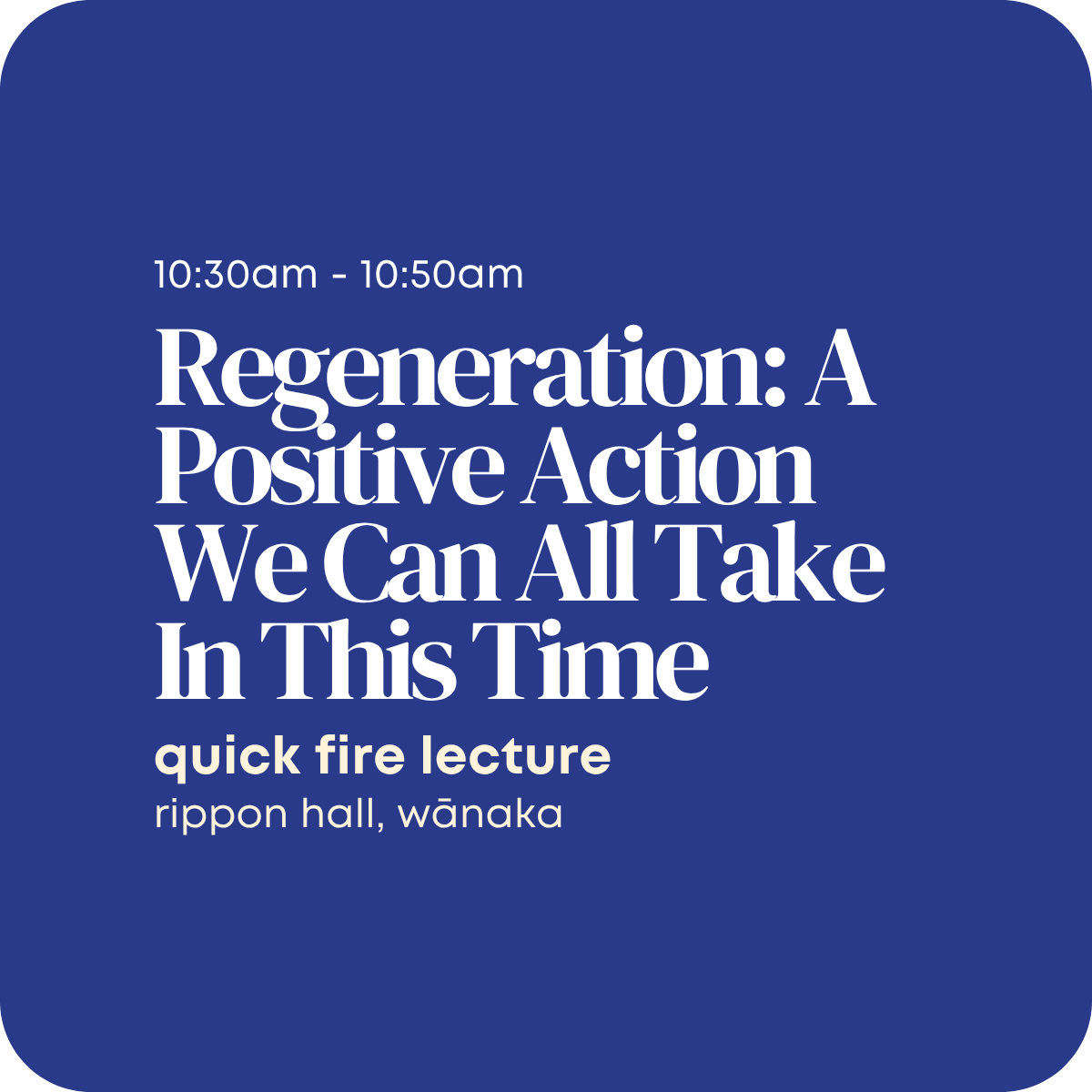
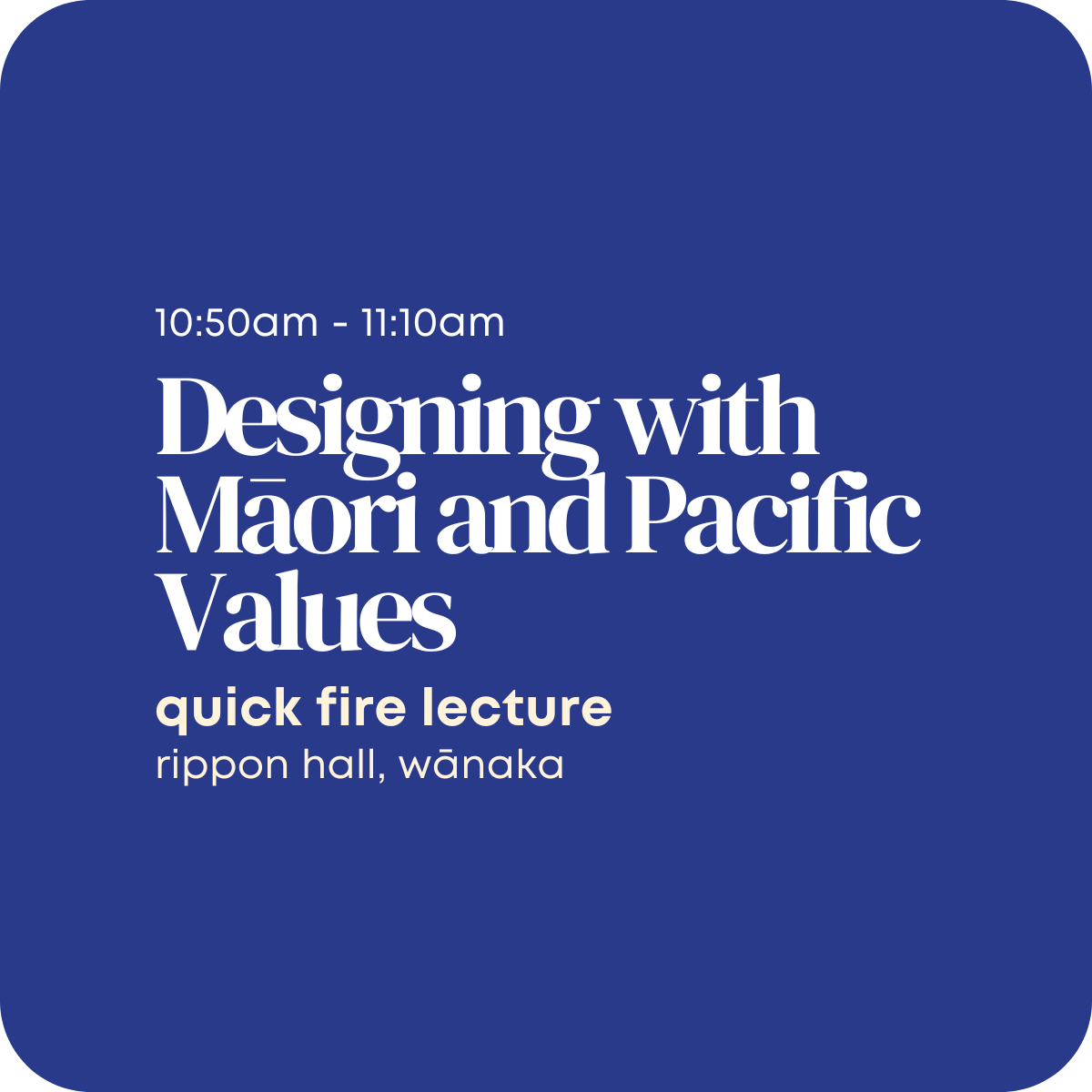
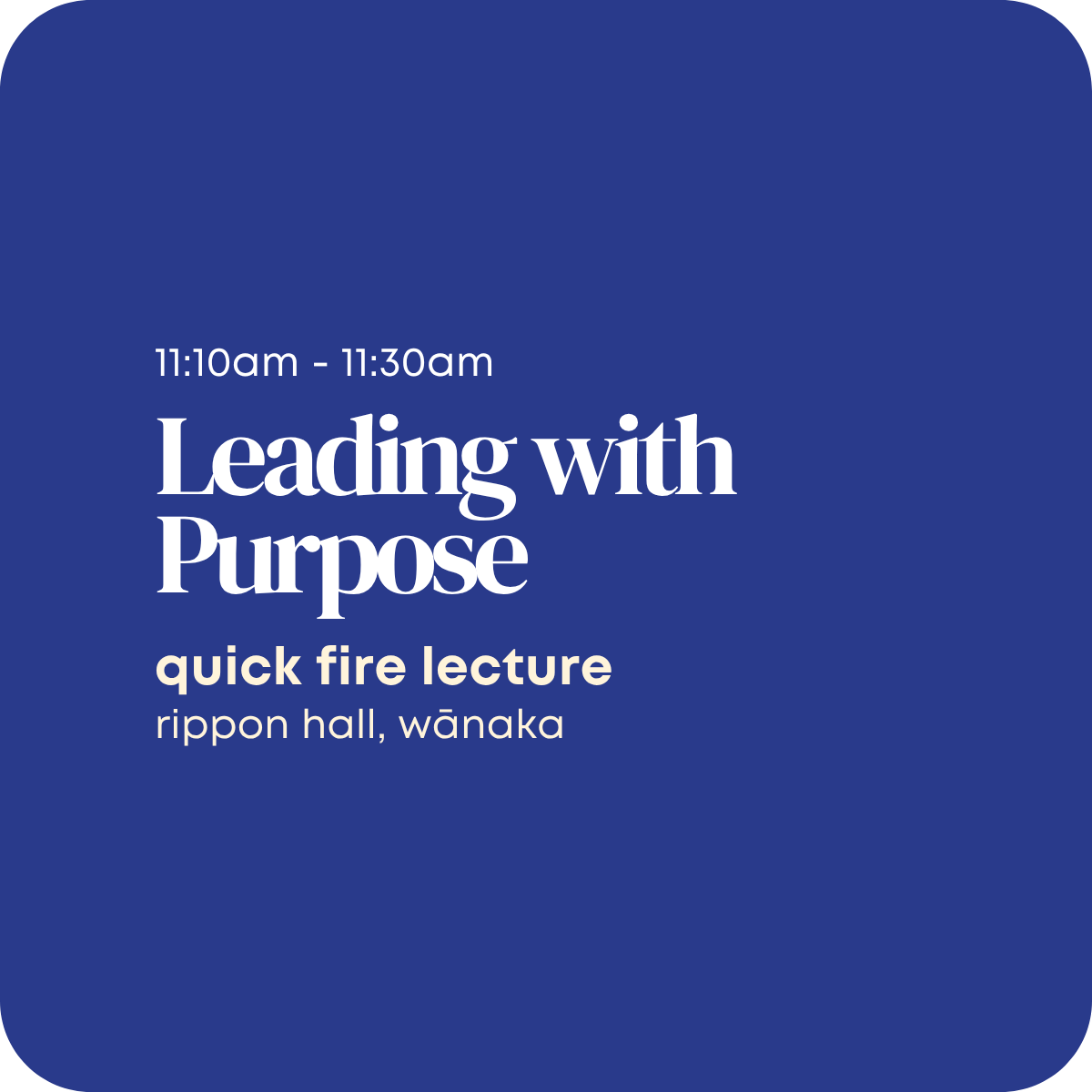
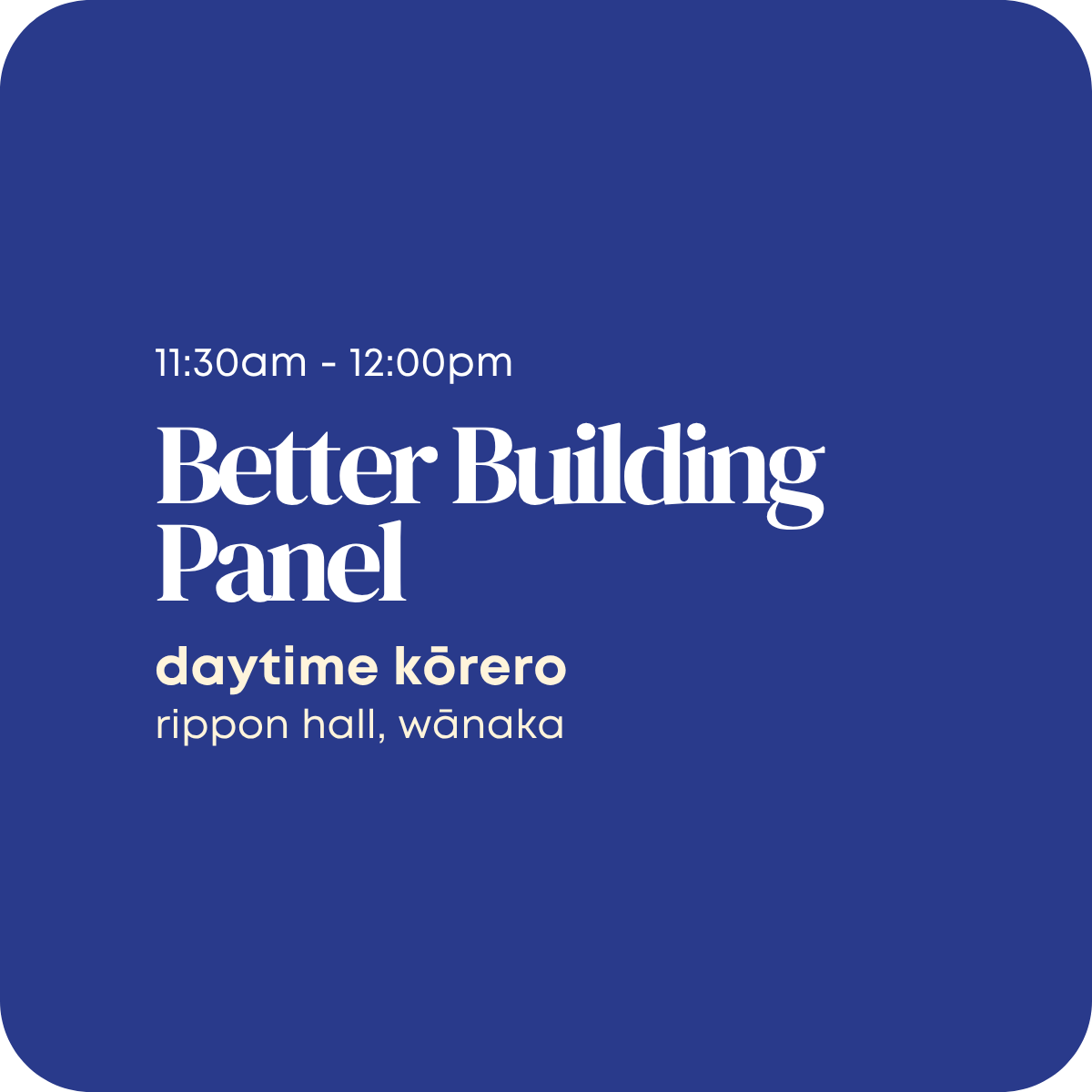
9:00AM - 12.00PM: Speaker Presentations
Morning Tea
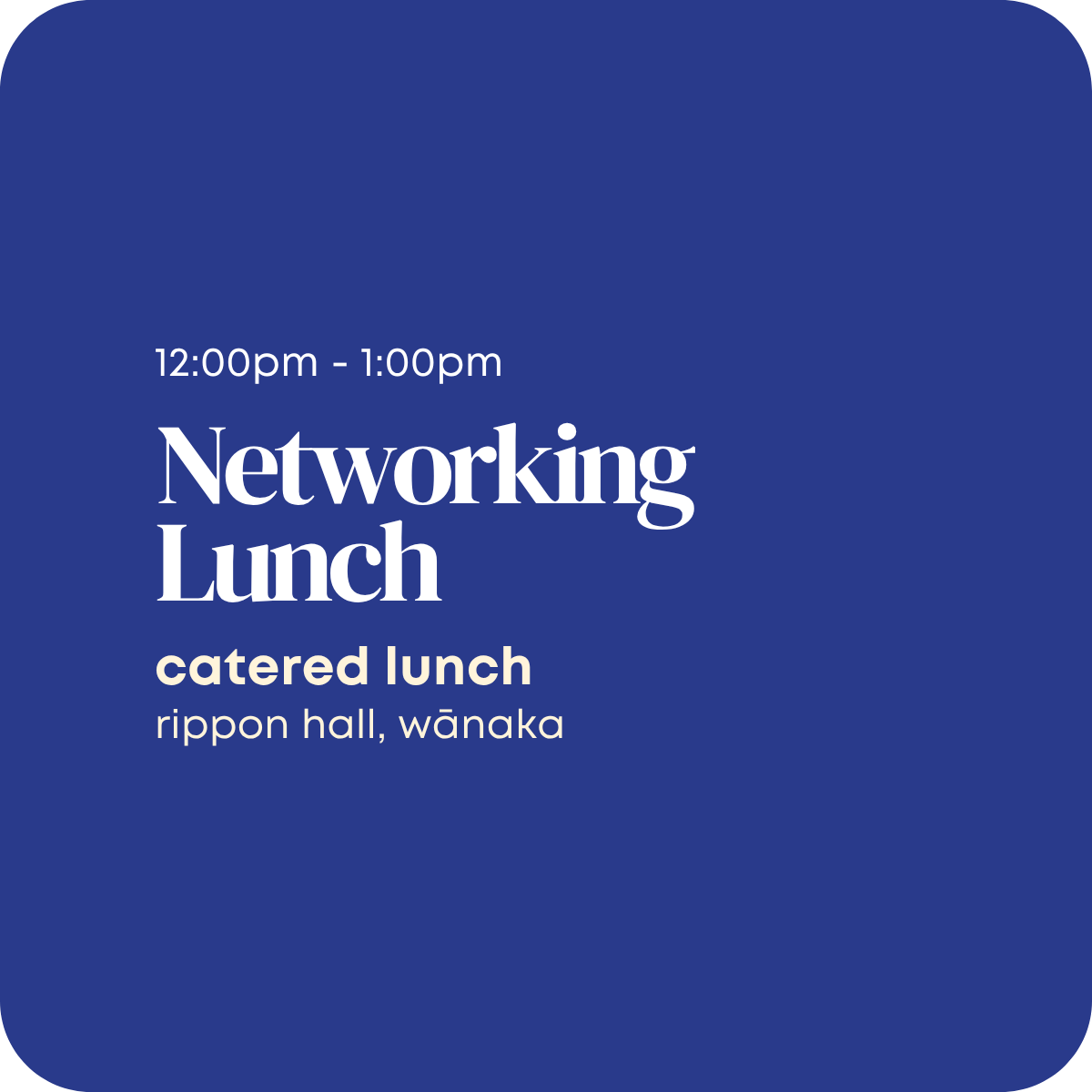
12:00pm - 1.00PM: Better Building Networking Lunch
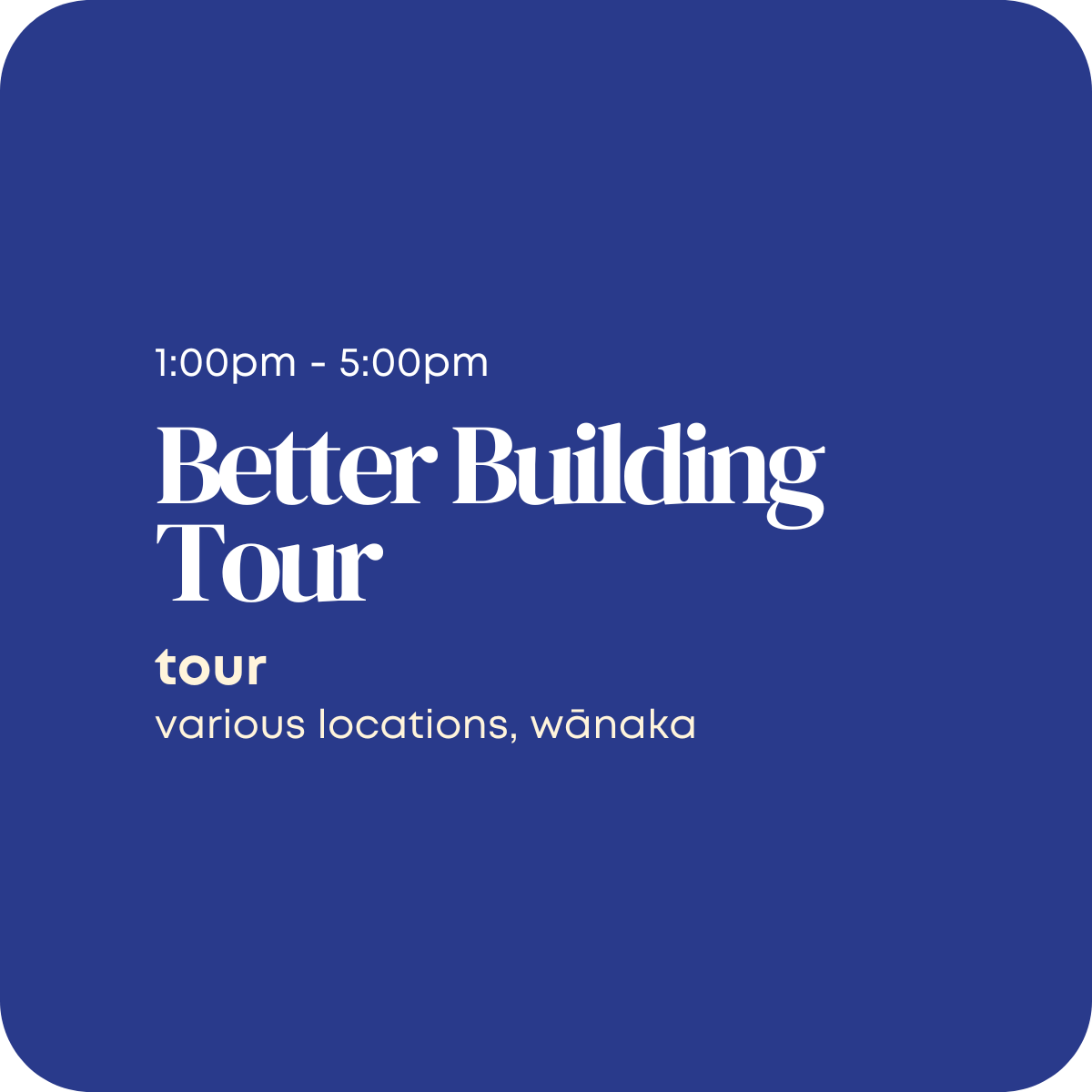
1:00pm - 5.00pm: Better Building Tour
5:30pm - 8.00PM: Green Drinks & Evening Kōrero - The Future of Energy (separate Kōrero ticket required. Better Building Passholders receive a $5 discount - purchase as a ticket add-on via Humantix after selecting your day pass to receive the discount)
Schedule subject to change, any updates will be communicated here and to ticket holders.
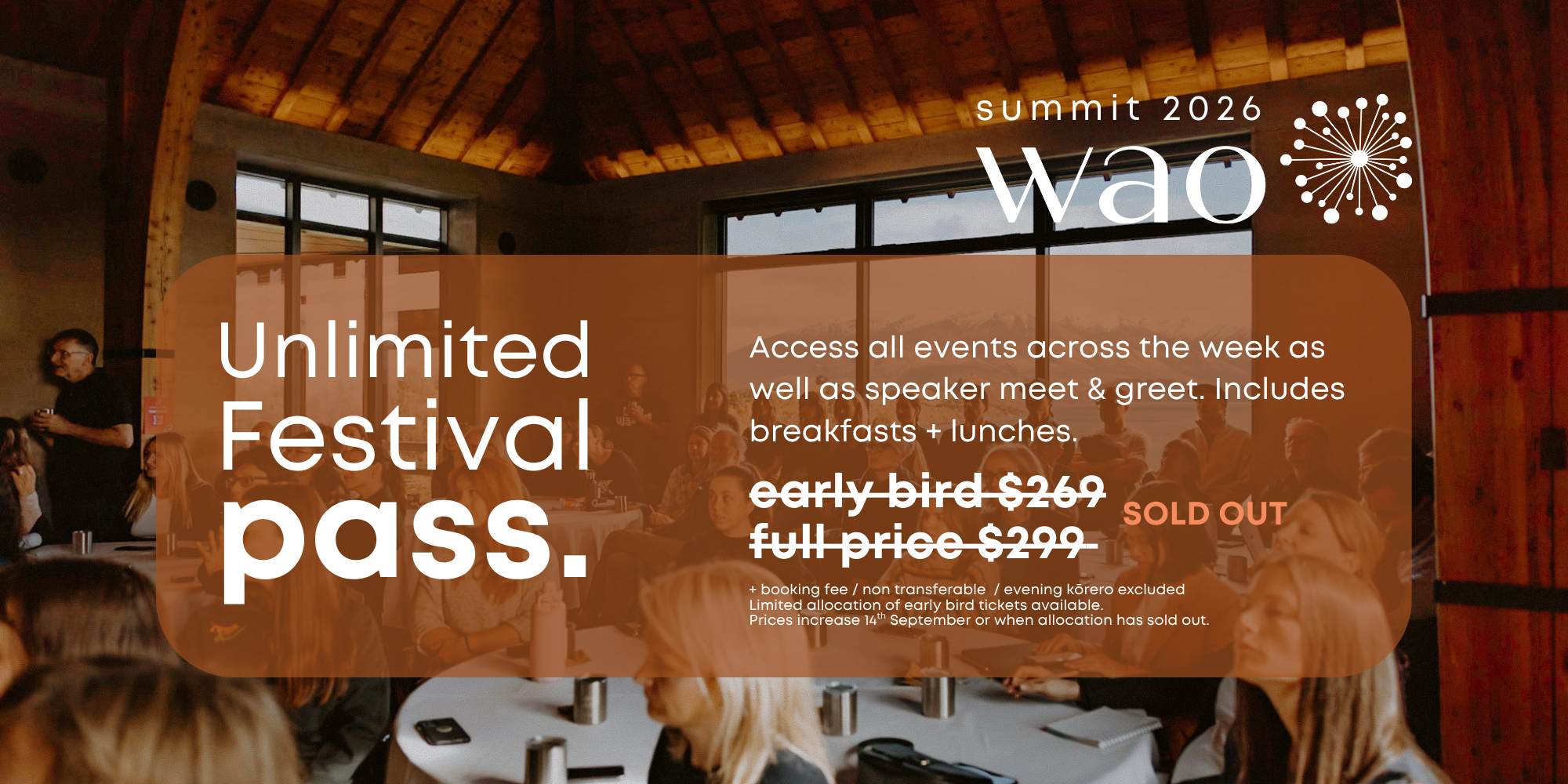
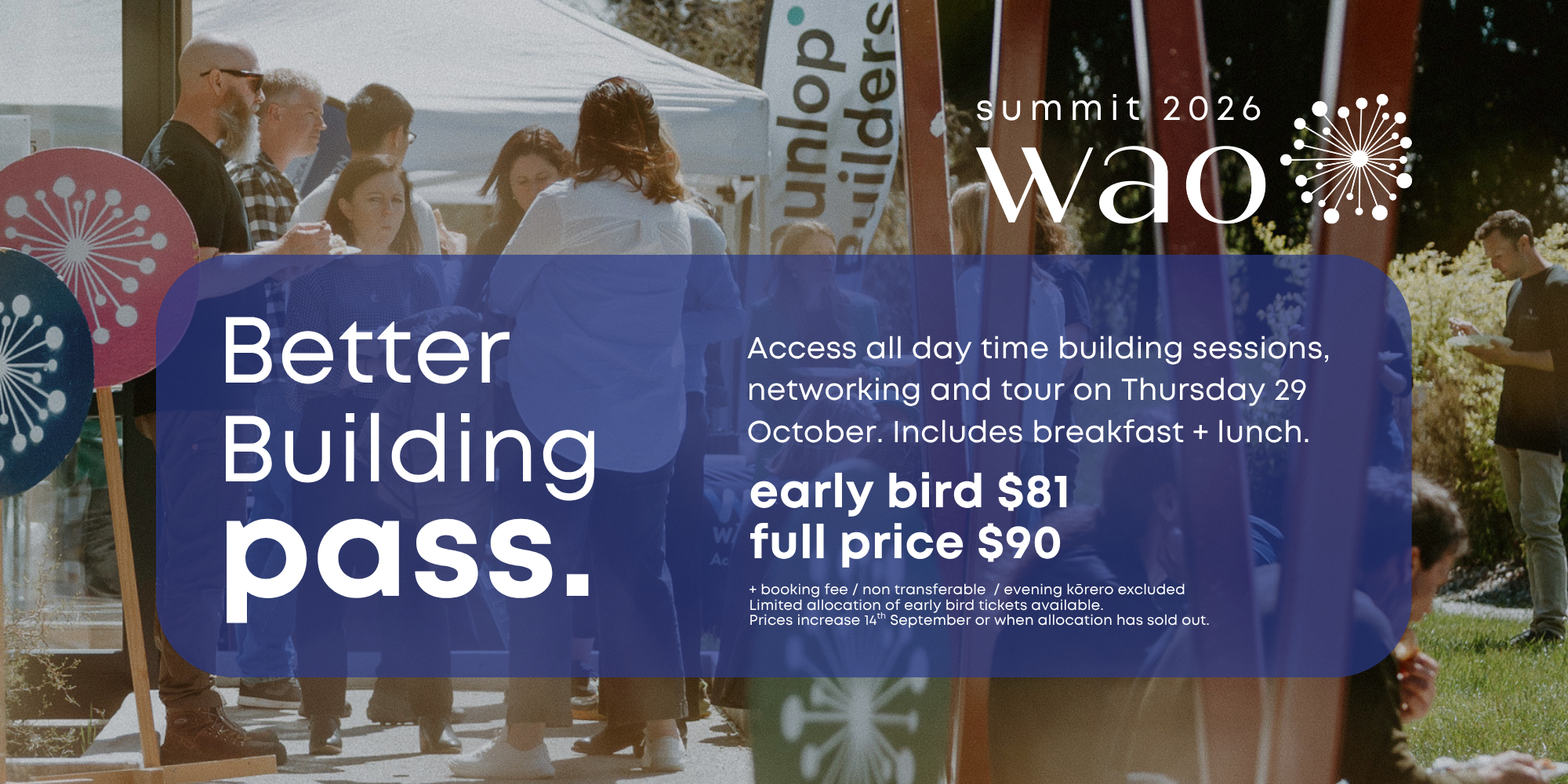
PASS OPTIONS
SESSION DETAILS - CLICK ON A SESSION FOR FULL DETAILS

Food Resilience Day: Tour
How do we build a food system that can nourish people and the planet for generations to come? Explore food resilience through the lenses of whenua, community, tourism, education, growing, energy and circularity.
Our tour starts by bus from Frankton into Queenstown and aboard the historic steamship TSS Earnslaw to Walter Peak High Country Farm, visiting inspiring local initiatives, meeting the people driving change and discovering practical ideas for creating thriving, locally connected food systems.
Read more about the day in this blog post by Babu Blatt, Food Resilience Programme Manager at Wao.
We encourage Wānaka participants to carpool to Frankton.
DAY PROGRAMME
Friday 30 October 2026
8:15AM: Transport by coach and boat: Frankton to Queenstown Wharf, then onwards to Walter Peak onboard the TSS Earnslaw. Workshops held in the Walter Peak Woolshed.
9:45AM: Welcome by RealNZ: Discover how tourism and stewardship come together at Walter Peak to create lasting value for people, place and future generations.
10:00AM: Changing the Narrative: What does it mean to feed ourselves from the whenua? Explore food resilience through mātauranga, seed saving, traditional growing practices, community knowledge and adaptation.
10:20AM: The Power of Partnership: Food resilience is built through partnerships. Discover how collaboration is strengthening food security and unlocking local solutions to feed our communities.
10:40AM: Morning Tea provided by Walter Peak
11:00AM: Agents of Change: Discover what enables communities and organisations to lead transformation across New Zealand's food and fibre production system, drawing on insights from the Agents of Change research.
11:15AM: Soil, Animal and Human Health: Discover how soil biology and integrated livestock can restore farm ecosystems, strengthen food quality and support the health of animals, people and planet.
11:30AM: Walter Peak kitchen garden visit, with Gardens Team Leader Finley Watkins
Transport by boat and coach: Walter Peak - Queenstown Wharf - Queenstown Primary School. Lunch will be served on the boat.
1:00PM: Future Food Citizens: What we teach children today shapes tomorrow's food system. Discover how hands-on food education is growing resilient, healthy and connected communities.
1:45PM: Harvesting Energy: Food and energy are deeply connected. Learn how on farm solar, agrivoltaics and biological energy systems can strengthen resilience and productivity.
Transport by coach: Queenstown Primary School to Harvest Community Garden
2:15PM: Cultivating Community: Growing food grows communities. Discover how commercial gardens, community initiatives and local food networks are strengthening resilience, connection and belonging.
Transport by coach: Harvest Community Garden (Gordon rd) to Waste to Wilderness - via Arthur's Point Orchard
3:30PM: Closing the Loop: What does a truly circular food system look like? Discover how nutrient cycling and composting can regenerate both soils and communities.
Transport by coach: Waste to Wilderness, back to Frankton.
4:30PM: Tour ends
Schedule subject to change, any updates will be communicated here and to ticket holders.
PASS OPTIONS
TOUR SESSIONS - CLICK ON A SESSION FOR FULL DETAILS
Welcome by RealNZ
Discover how tourism and stewardship come together at Walter Peak to create lasting value for people, place and future generations.
Walter Peak has welcomed visitors to the shores of Lake Whakatipu for generations, evolving from a traditional high country farm into one of New Zealand's most iconic visitor destinations.
In this session, the RealNZ team shares the story of Walter Peak and the values that guide the organisation's approach to conservation and tourism. This session will explore the opportunities and challenges of producing food and how food resilience fits within the wider visitor economy.
YOUR SPEAKERS
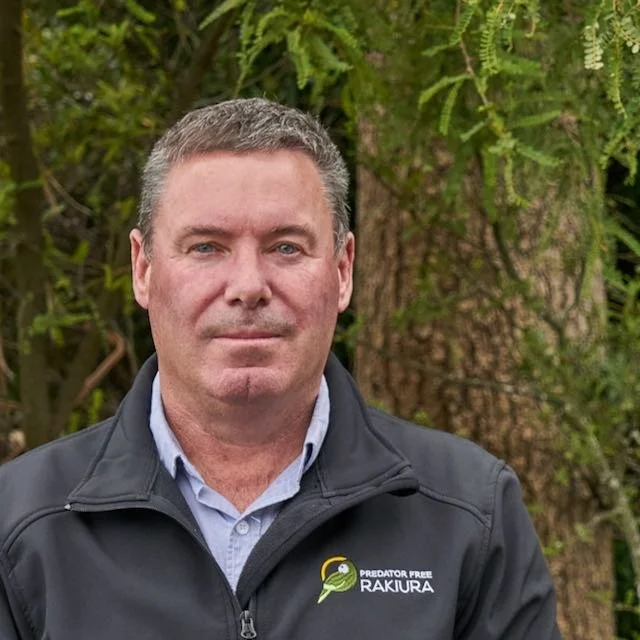
Paul Norris is Chief Conservation Officer at RealNZ, with 35 years’ tourism experience and extensive governance roles spanning conservation, tourism, land stewardship and destination management.
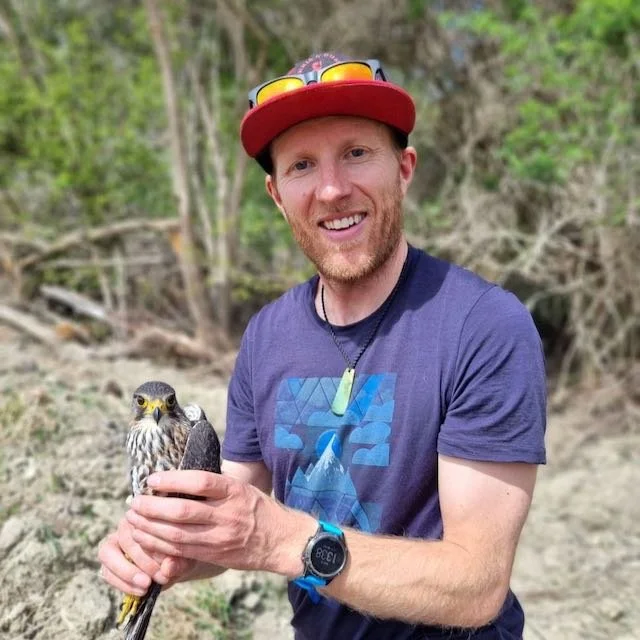
Ewan Mackie is Treble Cone Ski Area Manager and RealNZ Conservation & Sustainability Manager, and has 20 years’ experience in ski tourism and environmental conservation, leading trapping, planting and threatened species projects across the southern South Island.
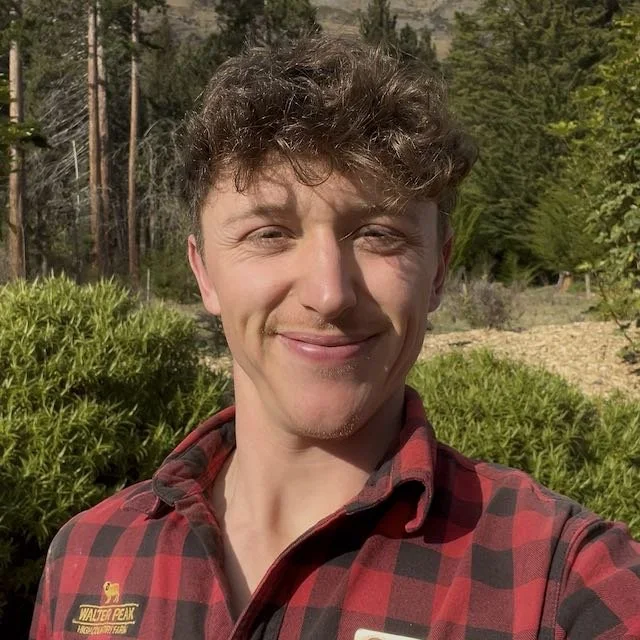
Finley Watkins leads Walter Peak’s gardens, native nursery and ecological restoration, championing sustainable growing and resilient landscapes that connect people with food, nature and place.
Changing the Narrative
What does it mean to feed ourselves from the whenua? Explore food resilience through mātauranga, seed saving, traditional growing practices, community knowledge and adaptation.
What does it take for a community to feed itself, especially when the climate is changing?
Join Dr Maria Barnes from Hokianga as she shares the story of He Kete Kai o Hokianga, a community food support network helping whānau strengthen their ability to grow, store and share food. Maria will explore why food resilience matters, particularly as more families return to the whenua to provide for themselves and reconnect with the knowledge and practices of their tūpuna.
Drawing on her work in seed saving and preserving taonga food varieties, Maria will share how traditional knowledge, natural growing practices and long-term food storage are helping strengthen local food systems. She will also reflect on the challenges and celebrations that have emerged along the way, and the importance of growing and sharing knowledge within the community.
Climate change is already shaping what is possible. Maria will share experiences from her family’s gardens in Whirinaki, including the impacts of drought and flooding and how growing practices have had to adapt in response.
As the leader of her local evacuation centre, Maria also brings a practical understanding of why food resilience matters when communities face disruption. This session offers a grounded and hopeful look at what communities can do to strengthen their food security, protect mātauranga and build resilience from the whenua up.
YOUR SPEAKER
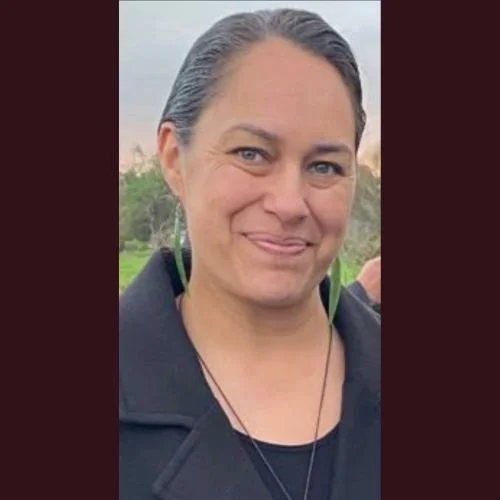
Dr Maria Barnes leads He Kete Kai o Hokianga project, supporting food resilience through seed saving, traditional foods, natural growing, climate adaptation and community knowledge.
The Power of Partnership
Food resilience is built through partnerships. Discover how collaboration is strengthening food security and unlocking local solutions to feed our communities.
No single organisation can build a resilient food system alone. Food security depends on strong partnerships, shared purpose and communities working together to ensure everyone has access to healthy, nourishing food.
This session brings together two of our local leaders to explore how collaboration is strengthening food resilience in the Queenstown Lakes region. From rescuing surplus food and supporting whānau through community networks to exploring the potential of locally sourced wild protein, Michael and Gary will highlight the diverse partnerships helping create a more secure and resilient food future.
YOUR SPEAKERS
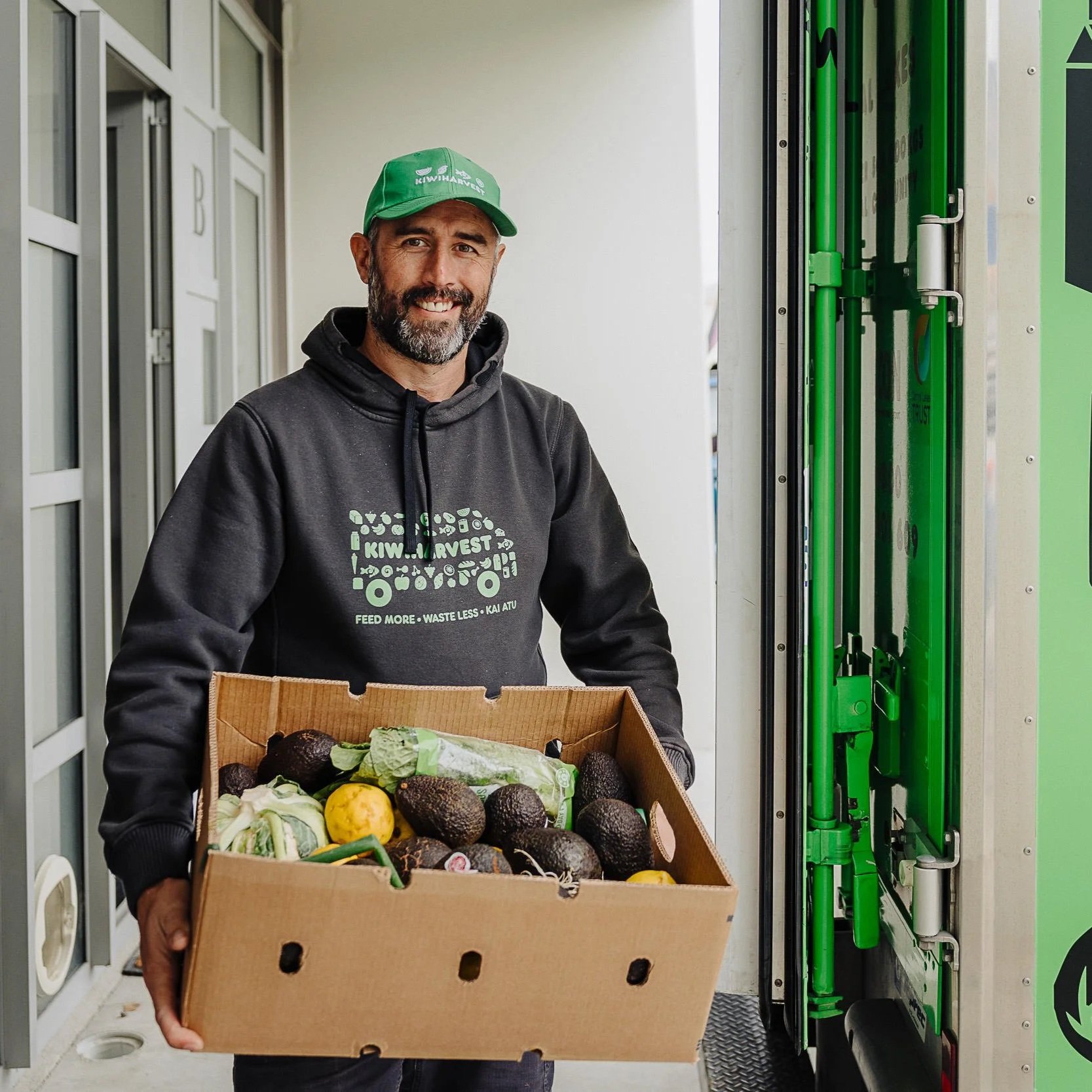
Branch Manager at KiwiHarvest Queenstown
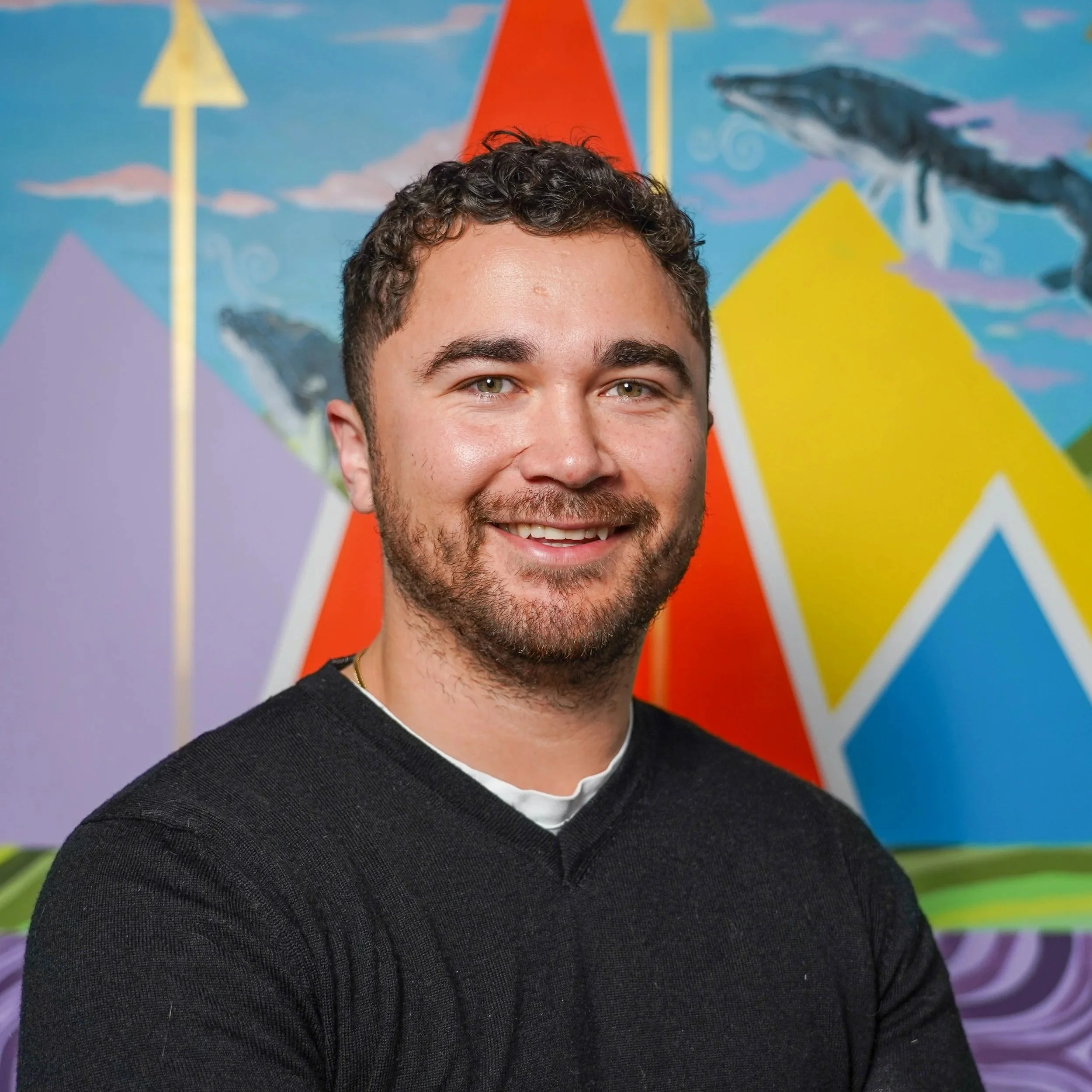
Tumu Whakarae, Chief Executive Officer at Mana Tāhuna Charitable Trust
Agents of Change
Discover what enables communities and organisations to lead transformation across New Zealand's food and fibre production system, drawing on insights from the Agents of Change research.
Transforming Aotearoa's food and fibre system requires more than new technologies or better policies. It depends on people, relationships and the conditions that enable meaningful change.
In this session, Dr Melissa Robson-Williams from Bioeconomy Science Institute explains how individuals, businesses and communities are taking transformative action through the lens of systems science.
Whether you work in food production, business, government or community development, this session offers valuable insights into how change happens and what it will take to build a resilient food system for future generations.
YOUR SPEAKER
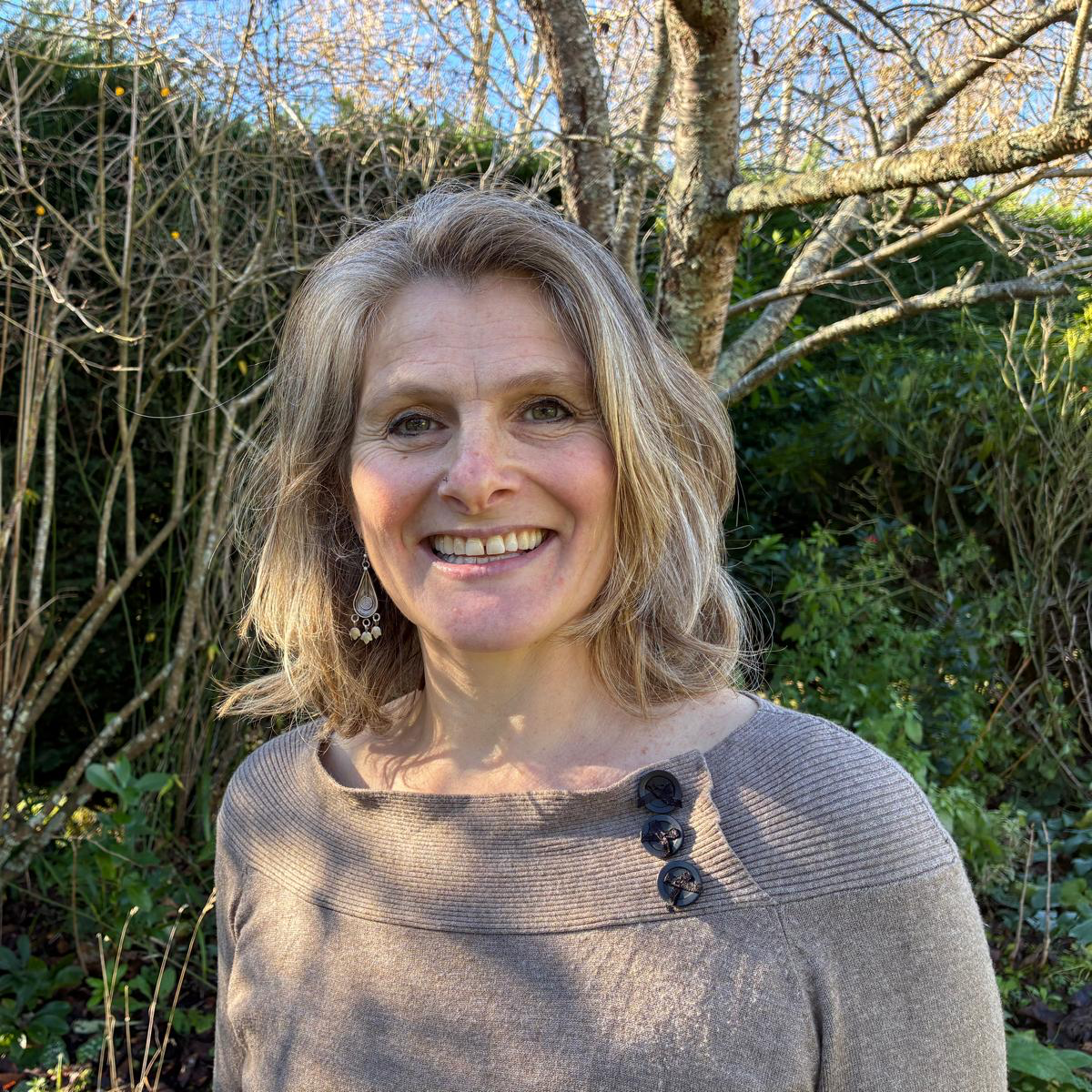
Senior Researcher Manaaki Whenua Landcare Research, PhD in Organic Agriculture (Plant and Soil Science), MSc in integrated Water Management and Advanced Irrigation, BSc Hons in Tropical Environmental Science.
Soil, Animal and Human Health
Discover how soil biology and integrated livestock can restore farm ecosystems, strengthen food quality and support the health of animals, people and planet.
Healthy food begins with living soil. At Tinwald Farm, Amanda Currie and the farming team are exploring how restoring diverse microbial communities can improve the health and resilience of the entire farm system.
Amanda will share Tinwald Farm’s transition from conventional practices towards a biological approach centred on soil life. Using microscopy, the team observes the microorganisms beneath their feet, breeds beneficial microbes and returns them to the land while carefully monitoring what works and what does not. Healthy soils can retain and purify water, reduce erosion, make nutrients more available and reduce reliance on synthetic fertilisers and pesticides.
Amanda connects the health of soil, plants, animals and people, inviting us to reconsider where human health truly begins.
YOUR SPEAKER
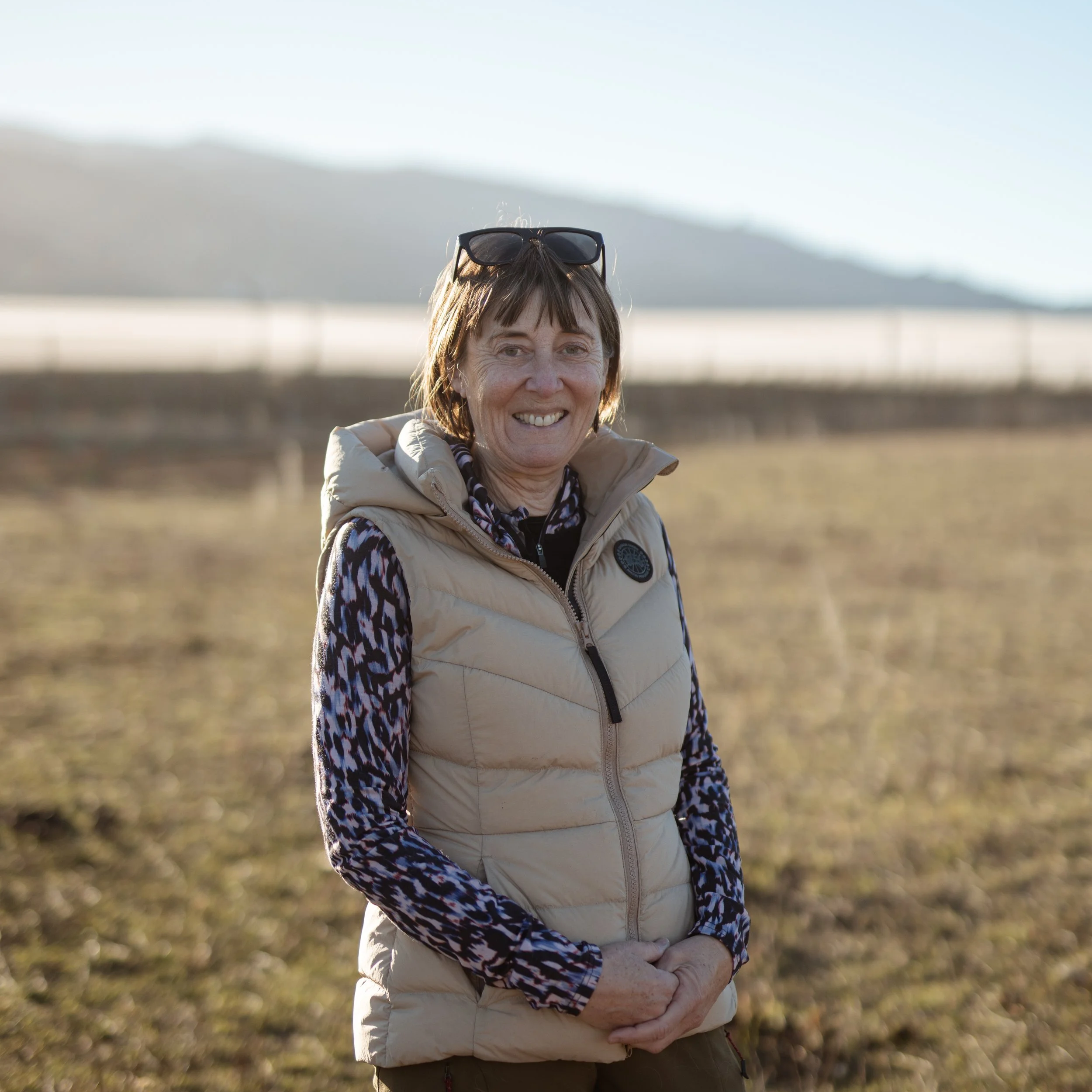
Regenerative farmer Amanda Currie explores how farming can build healthy soils, ecosystems and food.
Future Food Citizens
What we teach children today shapes tomorrow's food system. Discover how hands-on food education is growing resilient, healthy and connected communities.
Students from Queenstown Primary School, alongside their teacher Susan McIntyre, Nicky Gray from Enviroschools, Skye Macfarlane, Southern Regional Coordinator for Garden to Table, and Julia Blackford, share the impact the Garden to Table programme has had on the students and why food education is about far more than growing vegetables.
Through hands on experiences in the garden and kitchen, students learn where food comes from, how healthy ecosystems support healthy communities, and the value of working together. These practical skills build confidence, curiosity and a lifelong connection to food, nature and each other.
As Aotearoa faces increasing pressures on food systems, climate and community wellbeing, programmes like Garden to Table play a vital role in preparing tamariki and rangatahi to become informed food citizens and future leaders.
This inspiring session reminds us that growing resilient communities starts with growing capable, connected young people who understand both the privilege and responsibility of feeding themselves, their whānau and the generations that follow.
YOUR SPEAKERS
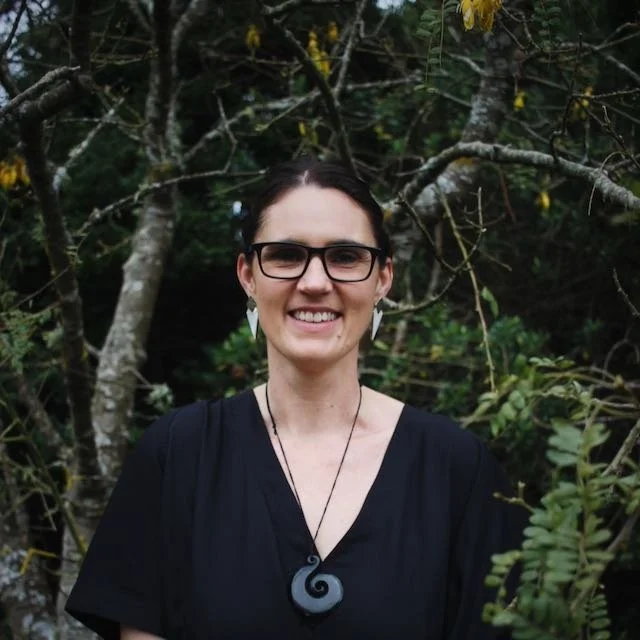
Southern Regional Coordinator, Garden to Table; co-founder and grower, Vern Paddock Project; Head of Naturopathy & Formulation, Wild Dispensary; naturopath, medical herbalist and nutritionist.
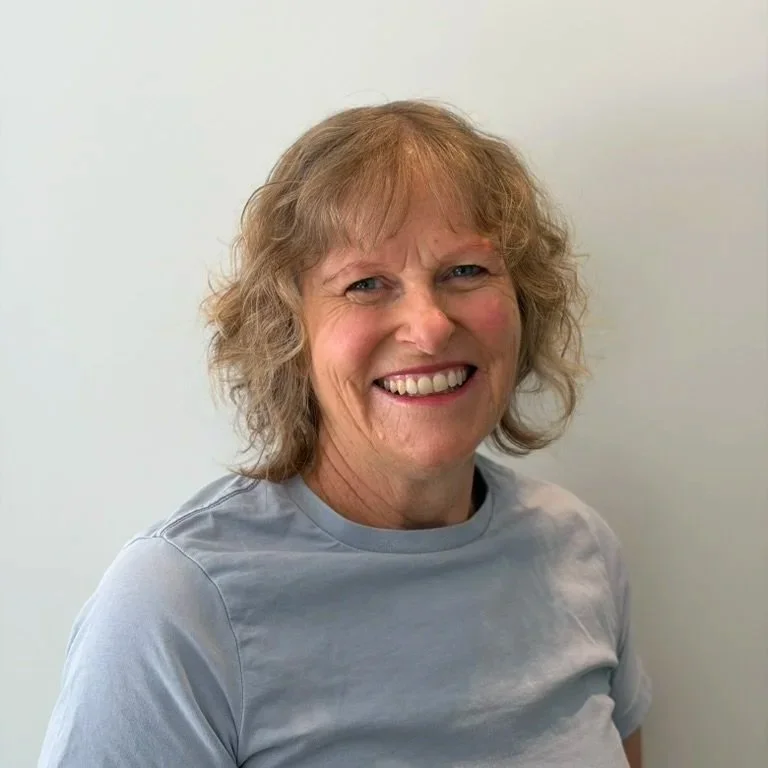
Queenstown Enviroschools Facilitator
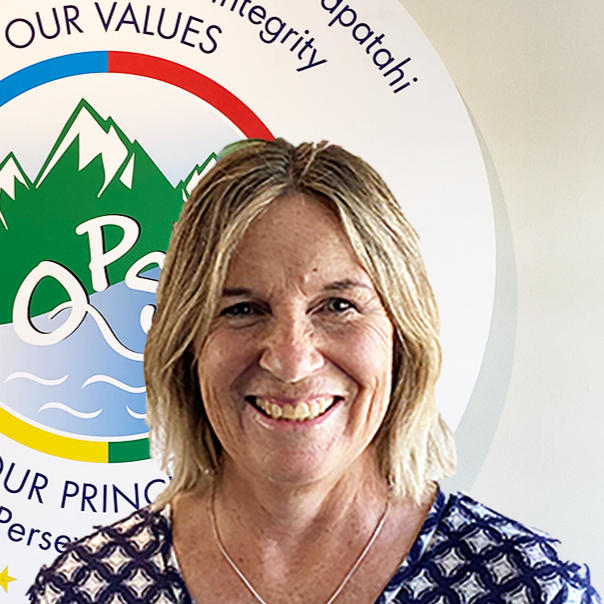
Senior school Teacher / Teacher in Charge of Enviroschools QPS and Garden to Table
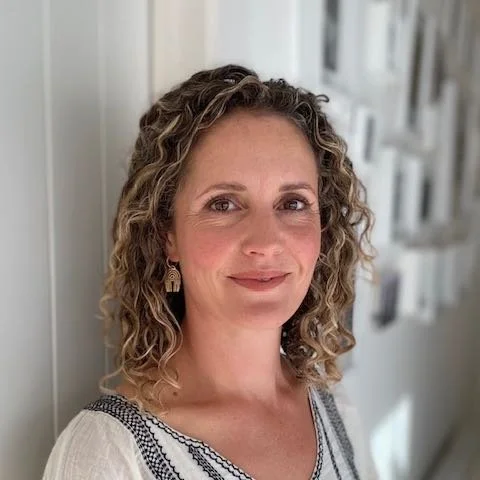
Wao Food Resilience Expert Adviser / Food Scientist / Volunteer at QPS Garden to Table
Harvesting Energy
Food and energy are deeply connected. Learn how on farm solar, agrivoltaics and biological energy systems can strengthen resilience and productivity.
A resilient food system depends on more than healthy soils and productive farms. It also depends on reliable, affordable and locally generated energy.
In this session, Tim Crownshaw from EECA provides a practical overview of the Solar on Farms programme and the growing opportunities for integrating renewable energy into food production. From agrivoltaics, where solar generation and agriculture work together, to emerging opportunities such as biochar and biogas through anaerobic digestion, Tim will explore the potential for on farm energy generation and use.
YOUR SPEAKER
Doctor of Philosophy, Renewable Resource, Master of Energy, Senior Advisor, EECA
Cultivating Community
Growing food grows communities. Discover how commercial gardens, community initiatives and local food networks are strengthening resilience, connection and belonging.
Growing food is about far more than producing vegetables. It creates opportunities for people to connect with each other, the land and the seasons while strengthening local resilience.
Join Theo Richard, Head Gardener at the award-winning Sherwood restaurant and a driving force behind the Queenstown Harvest Community Gardens, alongside Babu Blatt, facilitator of the Southern Lakes Kai Collective, as they explore the many ways local growing contributes to thriving communities.
Theo will share his experience of commercial and community gardening, demonstrating how local food production can nourish people while fostering stewardship, learning and connection.
Babu will highlight the wider ecosystem of initiatives supporting food resilience across the region, including community education programmes, the Southern Lakes Food Growing Blog, the regional food event calendar, and initiatives such as Kai Commons and Kai Connect, which are helping people grow, share and access local food.
Together, they demonstrate that resilient food systems are built not only by growing food, but by growing knowledge, relationships and communities.
YOUR SPEAKERS
Programme Manager Wao Aotearoa Food Resilience, and Southern Lakes Kai Collective facilitator.
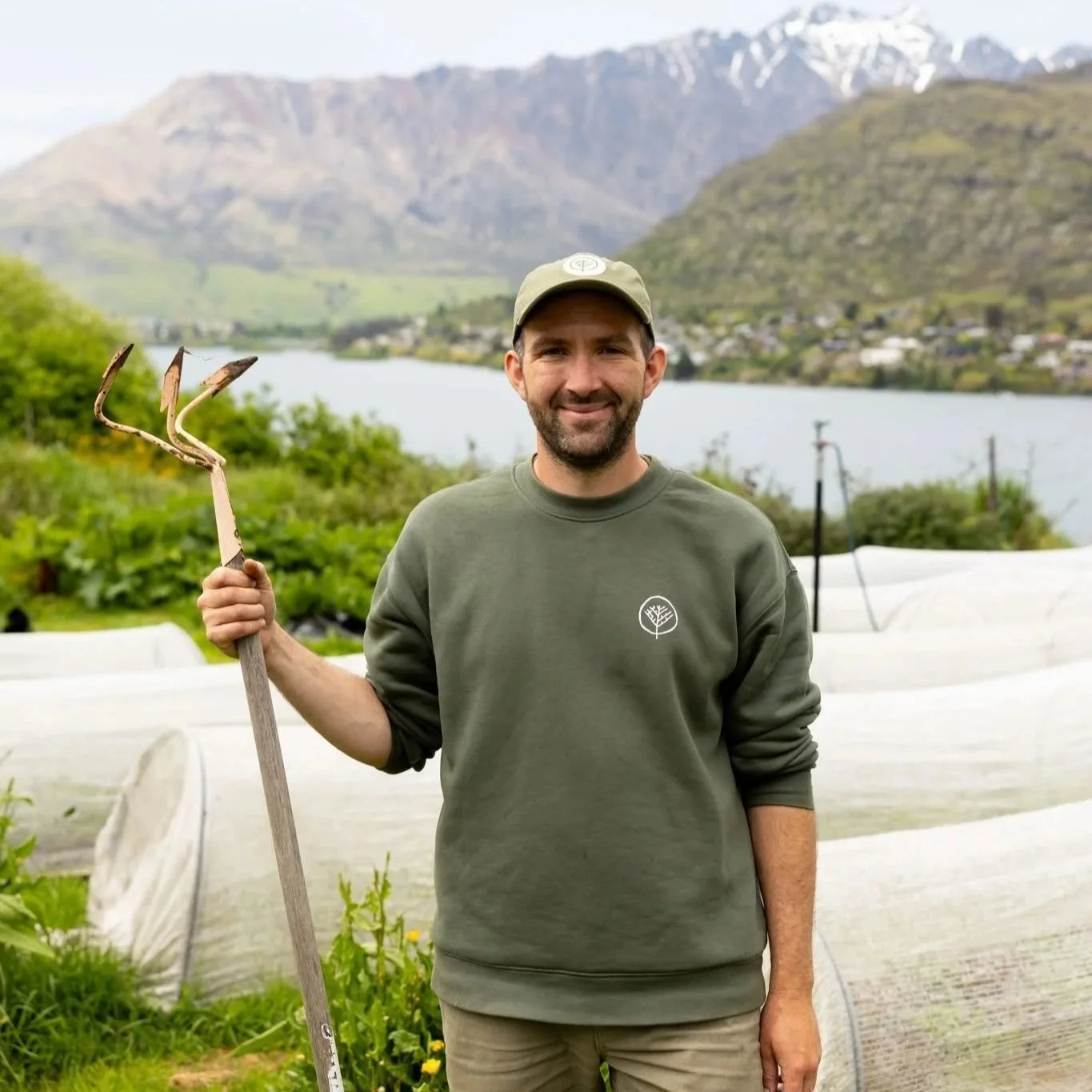
Engineer, sustainability practitioner and organic gardener at the Sherwood, championing low-tech solutions, food resilience, community gardens and regenerative growing.
Closing the Loop
What does a truly circular food system look like? Discover how nutrient cycling and composting can regenerate both soils and communities.
A resilient food system doesn't end when food leaves the plate. It considers every stage of the cycle, from production and consumption to the nutrients that return to the soil.
Through Waste to Wilderness, his organic waste transformation business, Michael Sly explores how organic waste can become a valuable resource rather than something to be discarded. He examines the role of composting, nutrient cycling and circular food systems in reducing waste, improving soil health and strengthening local resilience.
By understanding the biological cycles that underpin food production, we can make better decisions about how food is grown, consumed and how nutrients are returned to the land.
This final stop brings the Food Resilience Tour full circle, demonstrating that healthy food systems are those where nothing of value is wasted and everything has the opportunity to nourish life again.
YOUR SPEAKERS
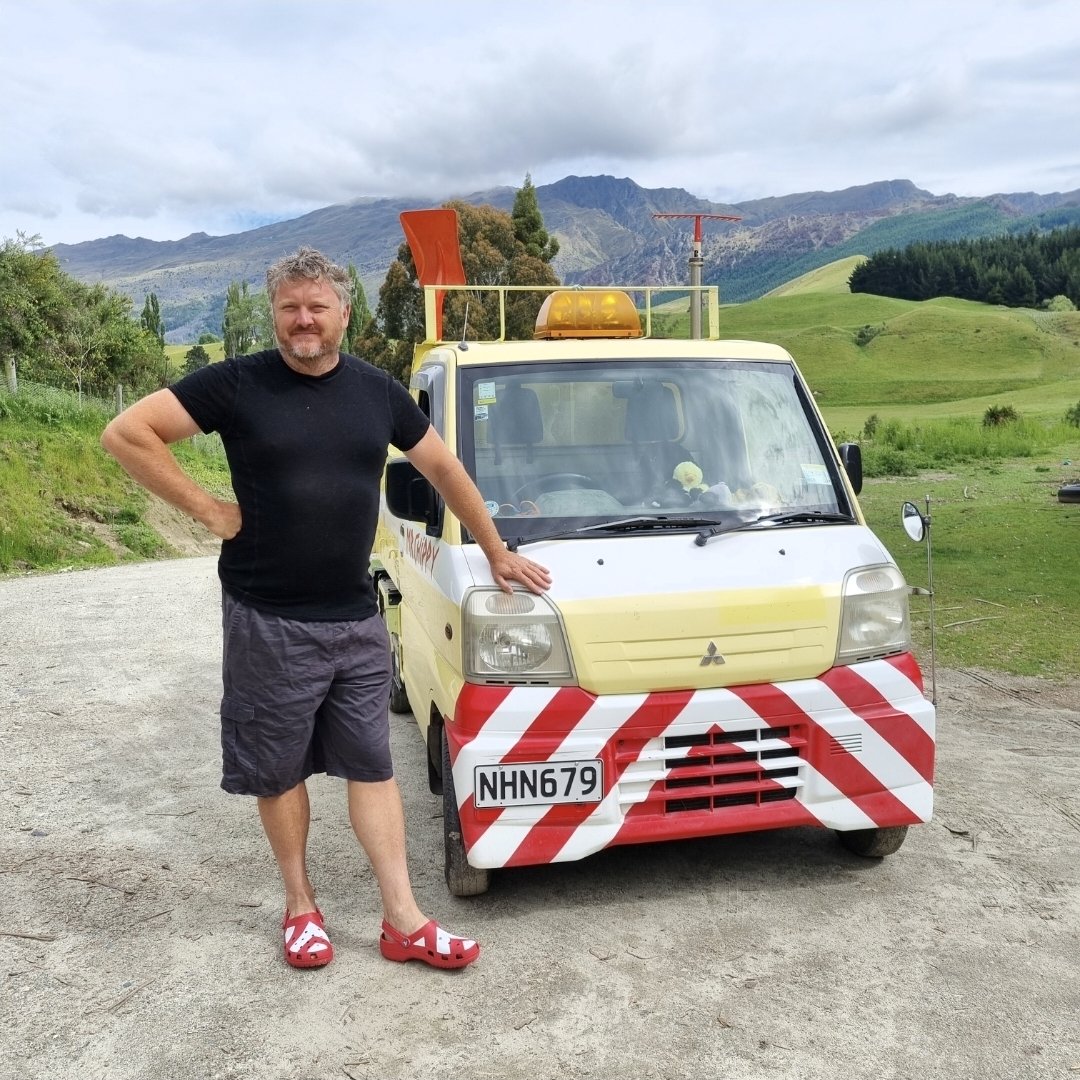
Innovator and Entrepreneur, Michael Sly is the founder of Waste to Wilderness, a regenerative waste initiative transforming food scraps from the hospitality sector into valuable compost and healthy soils.
Inside Namaste Park: A Regenerative Garden Tour
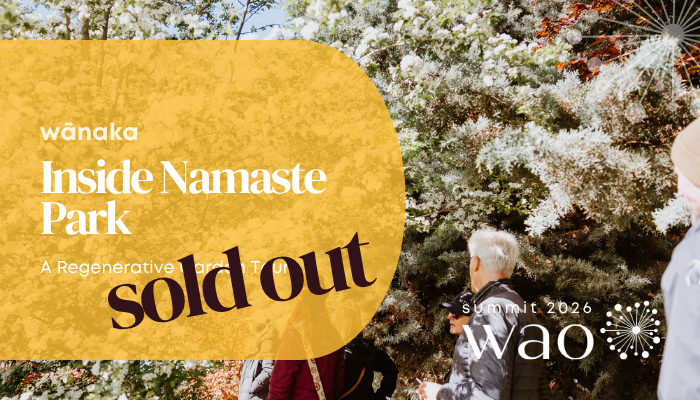
This event is now sold out, but you can still join the waitlist via Humanitix. We’ll let you know if any spots become available.
Explore Florence Micoud’s guided tour of a 2.5 hectare regenerative property, discovering land restoration, an arboretum, food production, natural fertilisation and ornamental gardens.
Join Florence Micoud for a guided tour of her 2.5 hectare property, thoughtfully developed over 20 years in harmony with nature. Explore inspiring examples of land regeneration, a remarkable arboretum, productive food gardens, natural fertilisation systems and beautiful ornamental plantings, while discovering how these elements work together to create a thriving landscape.
Address provided upon booking. Registration is essential. Maximum 12 participants. Cost: $20 per person (adults and children). Children are welcome and must be supervised by an accompanying adult and remain with the group at all times for health and safety reasons.
Cost: $20.00 or included in your Unlimited Festival Pass
YOUR GUIDE
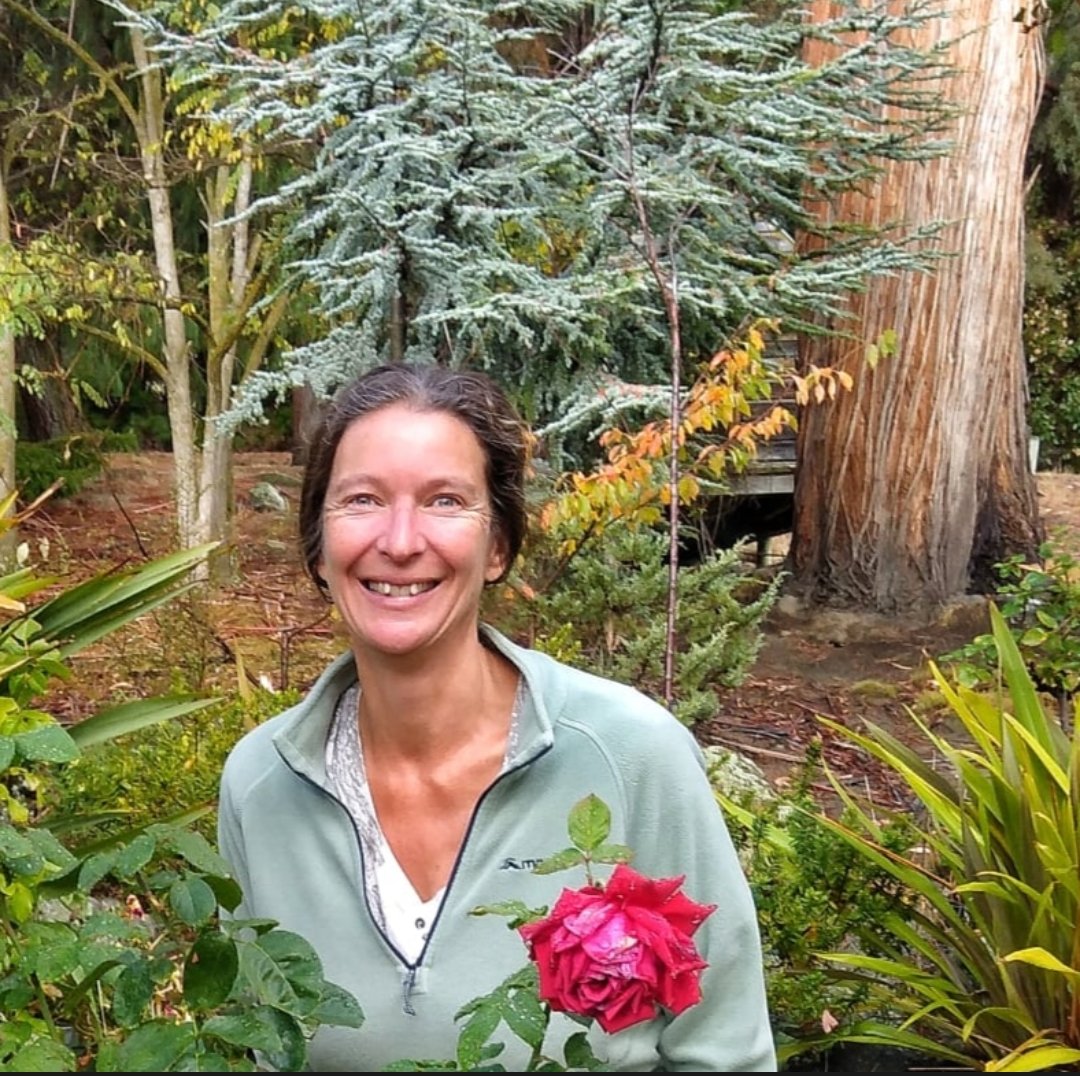
Florence Micoud
Regenerative Garden Expert

Community Walking Tour, Queenstown
Step into the future with this immersive walking tour exploring how local people and projects are shaping a thriving, equitable, and regenerative community in Queenstown.

Community Walking Tour, Wānaka
Step into the future with this immersive walking tour exploring how local people and projects are shaping a thriving, equitable, and regenerative community, one step at a time.
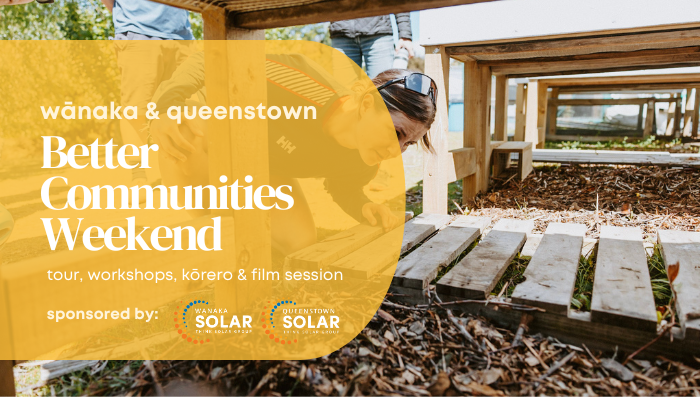
Better Communities Weekend
Explore what it means to create regenerative, connected, and resilient communities. This day features a self-guided walking tour, a hands-on climate workshop, a session on working with nature to manage water and reduce risk, among others. Wrap up the day with an inspiring community film night on regeneration and action. A powerful day for anyone who cares about the future we’re building, together.
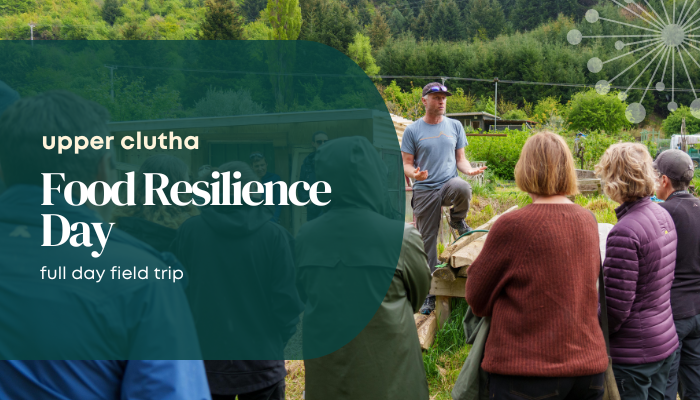
Food Resilience Day
Hop on the Food Resilience Tour Bus for a full-day journey through three inspiring local initiatives strengthening food resilience in the Upper Clutha.

Victoria Flats Landfill Site Visit
A unique opportunity to get a tour of our region's only landfill! Hear from the landfill's operators what they're doing to reduce environmental impact and what the community can do better to help!

Guided tour of Namaste Park and Gardens
Explore 2.5 hectares on the outskirts of Wānaka, featuring regenerating land with a developing 600-tree arboretum, and extensive ornamental and edible gardens maintained in harmony with nature. This carbon-positive household boasts solar panels, locally sourced food, and electric equipment.

Nature Walk with Sam the Trapman and David Norton
Experience a fully immersive guided tour of the natural world, offering in-depth insights through the eyes of expert guides Dr. David Norton and Hamiora Gibson. An event not to be missed.