
Wao Summit Event Programme
Te Taiao Day
Wānaka has long been renowned as a place of learning.
Day One of Wao Summit 2026 invites us to reconnect with the meaning of place by stepping back to see the bigger picture.
Featuring an exceptional line up of leading academics, researchers and thought leaders, the day explores the interconnected systems that shape our world through the lenses of climate, health, systems thinking, nature, resources and democracy. Challenging assumptions and expanding perspectives, this is the event you never knew you needed, offering the knowledge, context and inspiration to better understand an increasingly complex world and our place within it.
Read more about the Te Taiao Day in this blog post by Monique Kelly, Trustee & General Manager at Wao.
DAY PROGRAMME
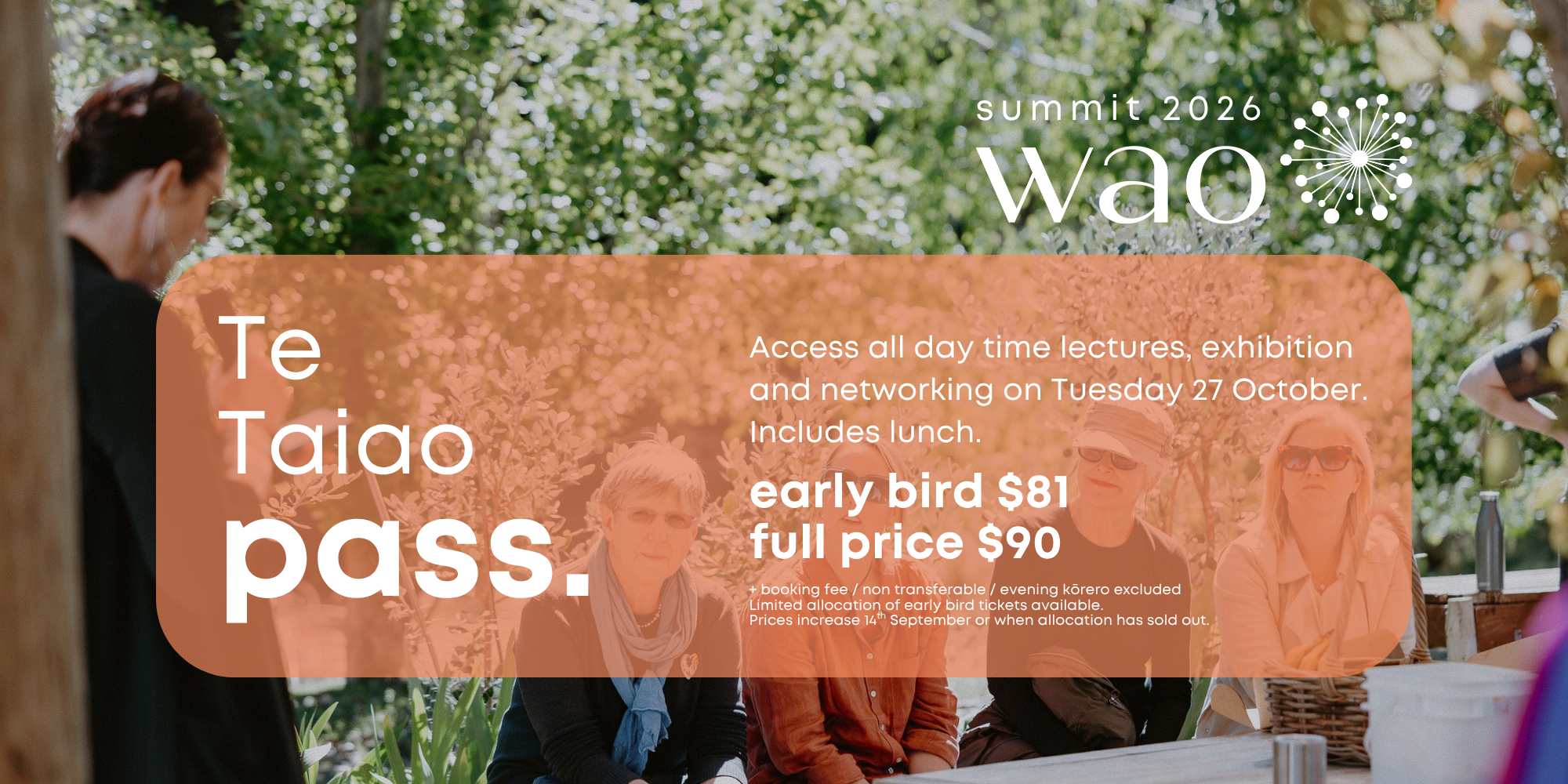
Tuesday 27 October 2026
9:30AM: Morning Tea & Coffee
10:00AM: Welcome with Monique Kelly
10:15AM: The Environmental Costs of our Choices
10:30AM: Systems not Silos
11:15AM: The Planet is Running a Fever
12:00PM: Te Taiao Lunch
1:00PM: Beyond Climate
1:45PM: Investing in Nature
2:30PM: Afternoon Tea
3:00PM: Critical Minerals: At What Cost?
3:45PM: The Afterlife of Plastics
5:30PM: Once Were Farmers Photography Exhibition & Green Drinks
6:30PM: Evening Kōrero - The Election Conversation (separate Kōrero ticket required. SOLD OUT - join the waitlist to be notified of availability).
Schedule subject to change, any updates will be communicated here and to ticket holders.
SESSION DETAILS - CLICK ON A SESSION FOR FULL DETAILS
Welcome with Monique Kelly
Join Monique to open Wao Summit 2026 and introduce you to our latest research project: Journey to 2126
Journey to 2126 is a bold research project exploring what it will take for people and nature to thrive over the next century.
What would it mean to make decisions today that future generations would thank us for 100 years from now?
Journey to 2126 is Wao's long term research initiative exploring the conditions needed for people, communities and Te Taiao to thrive over the next century. Bringing together systems thinking, science, community perspectives and future focused research, the project seeks to better understand the interconnected challenges shaping our future and identify the pathways towards long term resilience.
This opening session introduces the purpose, questions and aspirations behind the research. Rather than predicting the future, Journey to 2126 asks how we can become better ancestors by making wiser decisions today.
As the foundation for the Wao Summit, this research provides the context for the conversations that follow and invites everyone to become part of a shared journey towards a thriving Aotearoa in 2126.
YOUR SPEAKER
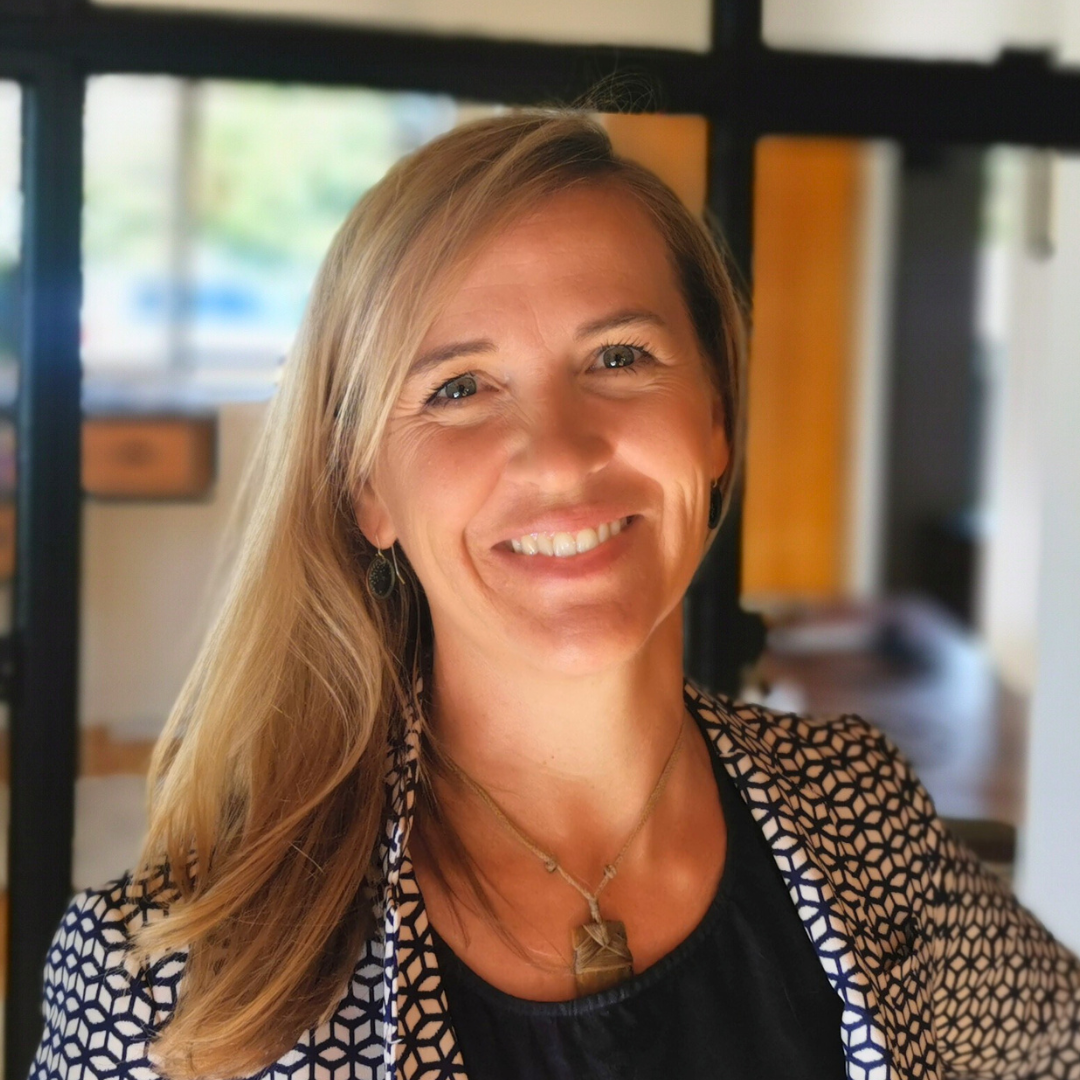
General Manager of Wao and Programme Director for Wao Summit
The Environmental Costs of our Choices
Every decision has an environmental cost. Discover a new tool that makes those impacts visible, helping organisations and individuals make better choices for people and planet.
The Earth's stability depends on nine interconnected planetary boundaries that define a safe operating space for humanity. Today, seven of these boundaries have been exceeded, placing growing pressure on ecosystems, biodiversity, freshwater, climate and the communities that depend on them.
Every decision we make carries an environmental cost, yet those impacts are often invisible. Without understanding them, it is difficult to know which choices genuinely contribute to a healthier future.
In this session, Dr. Kate Meyer introduces Planetary Insights, a free decision-support platform developed by the Wānaka-based Planetary Accounting Network. The platform makes the environmental impacts of everyday decisions visible, helping organisations and individuals understand how their activities affect multiple planetary boundaries, not just carbon.
Kate will demonstrate the dashboard, share some of the surprising insights uncovered through its development, and explore how better information can empower better decisions for businesses, communities and the planet.
YOUR SPEAKER
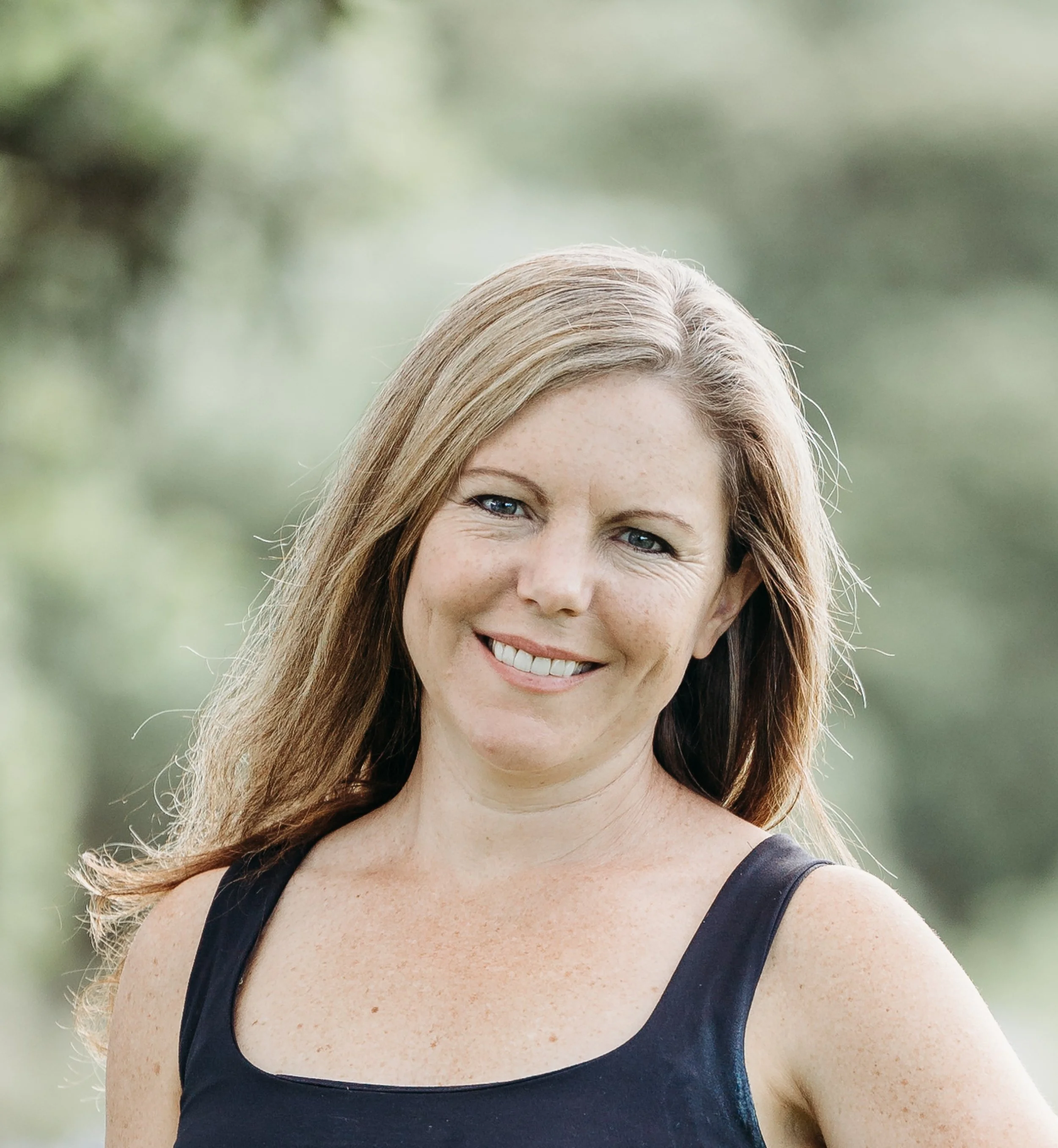
Founder & CEO
The Planetary Accounting Network
Systems Not Silos
Explore how systems thinking helps us navigate complexity, strengthen food resilience, and create lasting change in an increasingly interconnected world.
Many of today's greatest challenges—food security, freshwater, climate, biodiversity and community wellbeing—cannot be solved in isolation. They are interconnected parts of complex living systems that require new ways of thinking.
In this session, Dr Melissa Robson-Williams explores how systems thinking can help us better understand complexity and identify opportunities for meaningful change. Drawing on her work across land, water and food systems, Melissa will demonstrate how bringing together diverse perspectives, embracing uncertainty and recognising relationships between people and nature can lead to more resilient outcomes.
Using food resilience as a practical lens, she will unpack why well-intentioned solutions often fail when they address symptoms rather than underlying system dynamics, and how we can shift our thinking from fixing individual problems to strengthening the health of the whole system.
This session offers practical insights for anyone interested in creating resilient communities, regenerative food systems and a future where both people and nature can thrive together.
YOUR SPEAKER
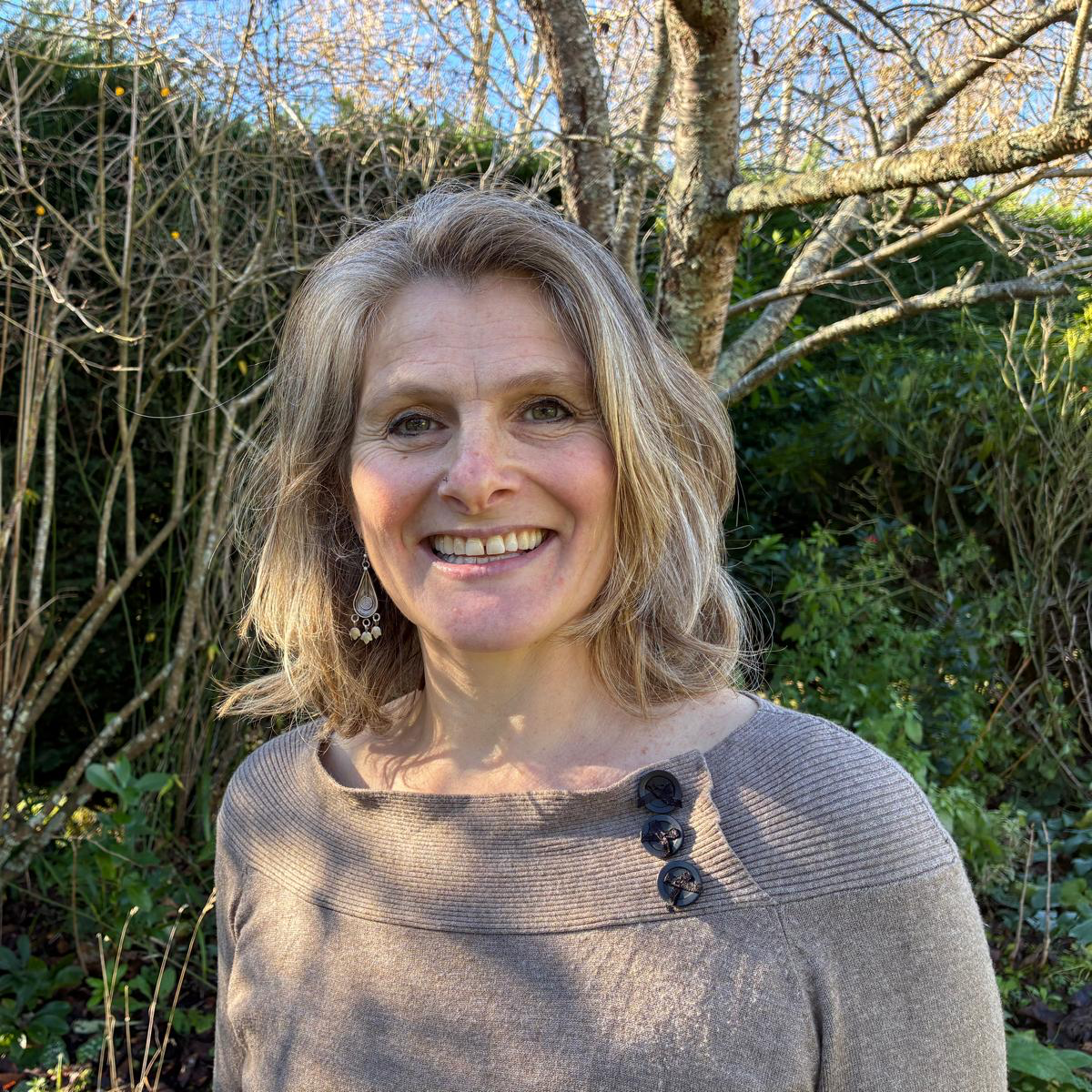
Portfolio leader for the ‘Catalysing Change’ research group at the Bioeconomy Science Institute Maiangi Taiao.
The Planet Is Running a Fever: Climate, Health and the Future of Human Survival
Explore how climate change is reshaping the interconnected systems that underpin human health, food production, infrastructure and resilient communities in the twenty first century.
The planet is running a fever. But the consequences extend far beyond the environment.
Climate change is increasingly exposing the fragility of the systems that sustain human life. Rising temperatures, extreme weather events and ecosystem disruption are affecting not only natural environments, but also food systems, water security, health services, economies, infrastructure and social cohesion.
Health provides a unique lens through which to understand these interconnected impacts because it sits downstream of almost every system upon which society depends.
Drawing on experience at the intersection of global public policy, health and climate resilience, Nancy Wong explores the climate–health nexus as a systems challenge rather than solely an environmental one. She examines how climate change change cascades through the complex networks that shape human wellbeing, why some communities are more at risk than others, and what these emerging pressures reveal about the resilience of today’s societies.
The lecture will also explore why climate action should not be viewed simply as a response to risk. It presents an opportunity to redesign systems including health, energy, transport, food, and urban development – in ways that simultaneously improve health, strengthen resilience and create more sustainable futures.
Combining global evidence with practical insights, this session invites audiences to think differently about climate change: not as a discrete environmental issue, but as a systems issue that will shape the future of human health, societal resilience and, ultimately, our collective capacity to thrive in a rapidly changing world.
YOUR SPEAKER
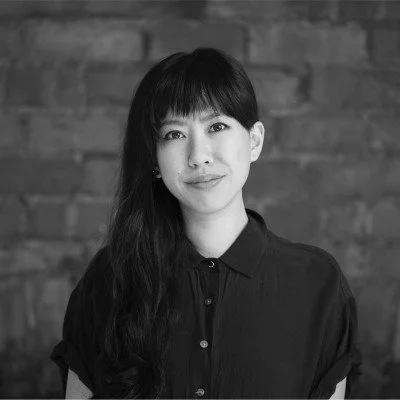
Wao Trustee and Senior Strategic Communications & Public Relations Lead World Health Organisation (WHO)
Beyond Climate: The Capacity to Respond
Climate change is testing more than the environment. Explore how relationships, governance and community capacity shape our ability to respond to an increasingly complex world.
Climate change is not an isolated environmental problem. It is one expression of a much broader set of interconnected environmental, social and economic challenges that are placing increasing pressure on the systems we rely upon.
In this session, Dr Cathrine Dyer from Te Herenga Waka Victoria University of Wellington steps back to examine the bigger picture. Why are climate change, biodiversity loss, food security, economic pressures and community resilience so closely linked? What happens when increasingly complex challenges begin to outpace the capacity of our institutions to respond?
Drawing on systems thinking and her research into governance and resilience, Cathrine explores the idea that governability is an emergent property of relationships. Declining state capacity does not necessarily mean declining societal capacity. New capabilities, knowledge and ways of working can emerge from communities through shared identity, collaboration and relational approaches, creating opportunities to influence governance from the bottom up and middle out.
This session offers a fresh perspective on resilience, inviting us to consider how stronger relationships may be one of the most important foundations for navigating an increasingly uncertain future.
YOUR SPEAKER
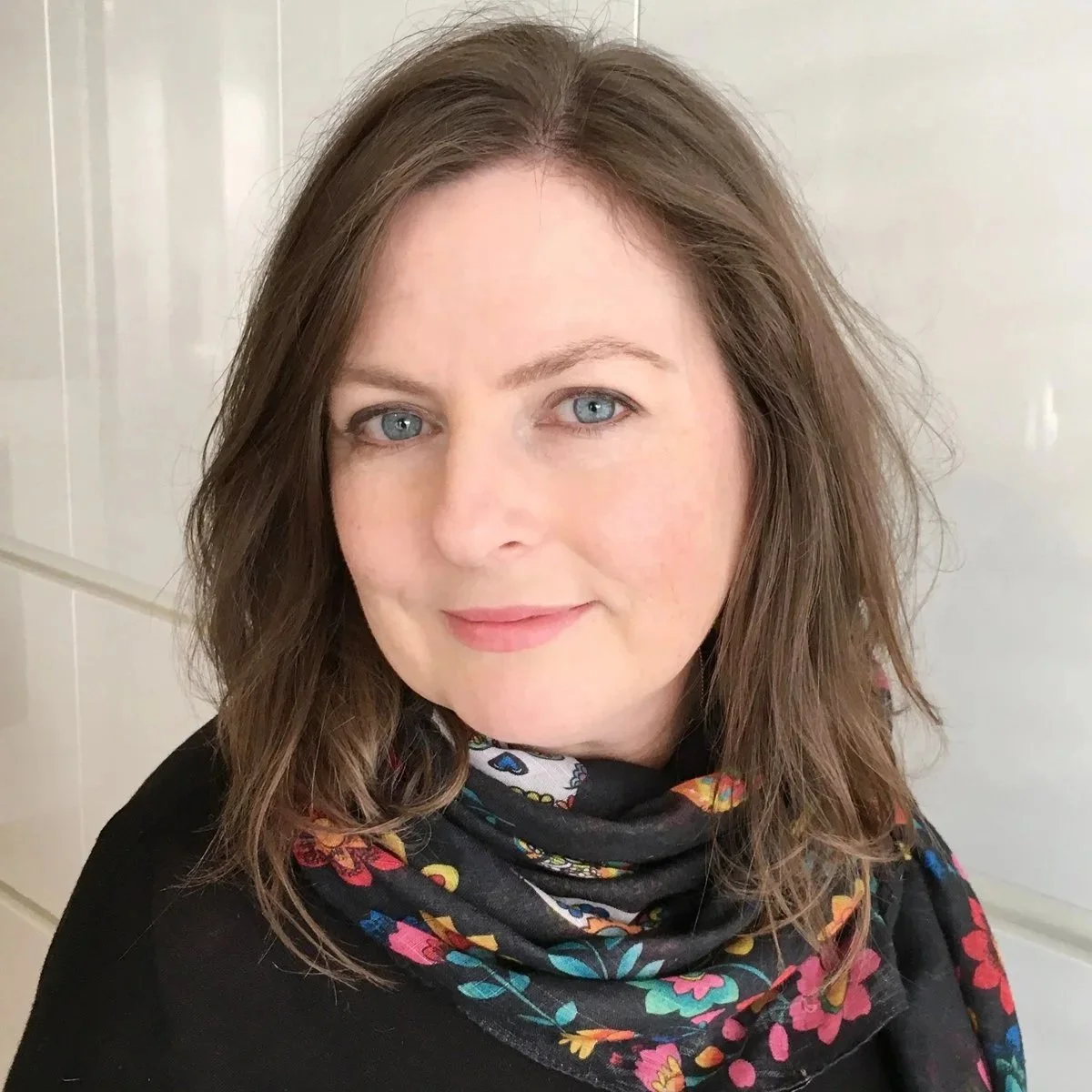
Lecturer in Climate Change at Te Herenga Waka Victoria University of Wellington
Investing in Nature
Nature is not external to the economy. It is the foundation on which it depends. Discover what this means for resilience, investment and prosperity.
Climate change, biodiversity loss and resource pressures are changing how we think about economic resilience. Increasingly, organisations are recognising that healthy ecosystems are fundamental to the performance of communities, businesses and infrastructure.
This presentation explores the emerging field of natural capital and nature markets, showing how natural systems can be understood as measurable assets that reduce risk, strengthen resilience and create long-term value.
Drawing on practical examples from across Aotearoa, Sam Parsons will demonstrate how organisations are moving beyond awareness to action by mapping natural assets, establishing ecological baselines and integrating nature into strategic planning and investment decisions.
YOUR SPEAKER
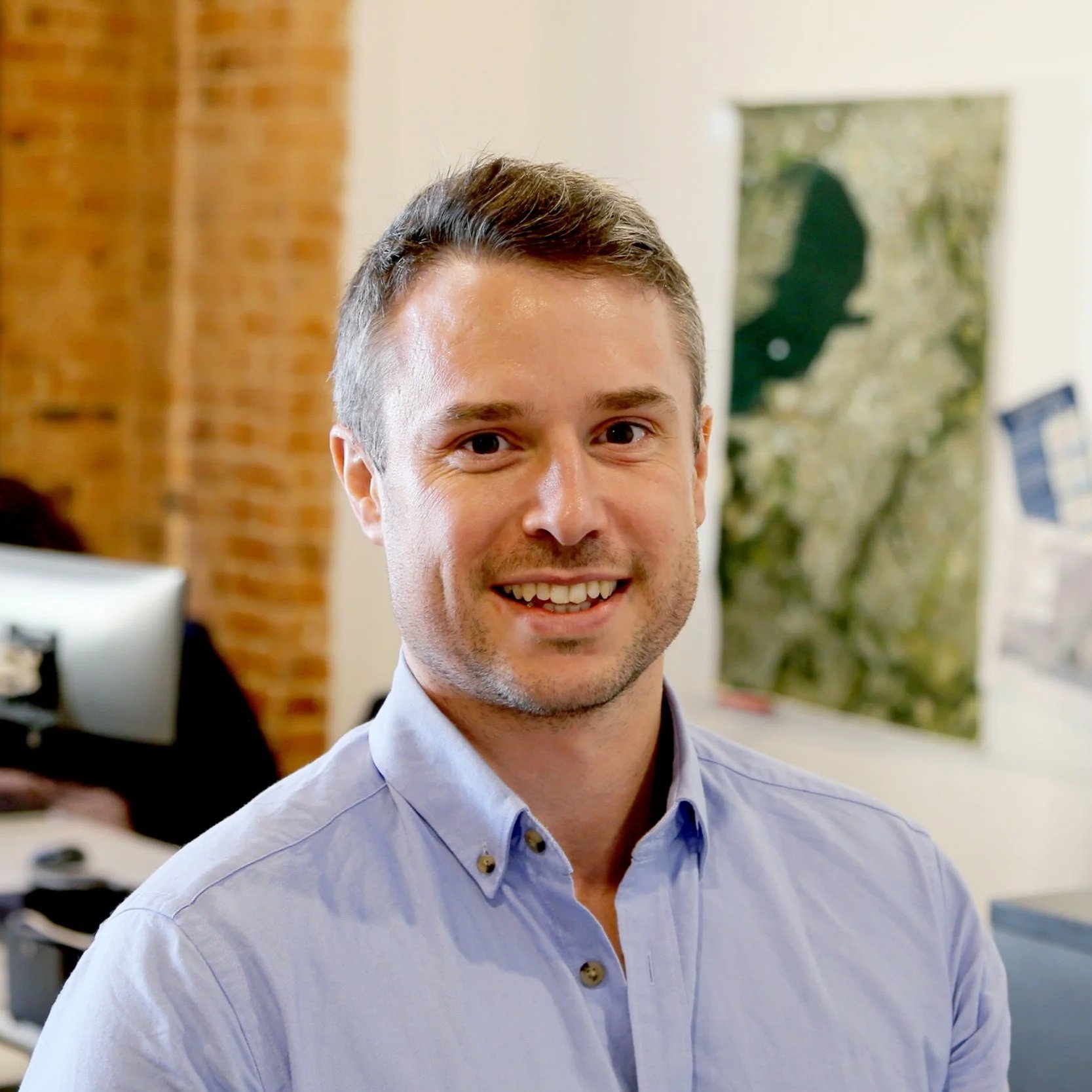
Nature & Climate Change Specialist, Boffa Miskell
Critical Minerals: At What Cost?
Behind every EV battery, smartphone and data centre are communities living with the realities of resource extraction. What does a just transition really look like?
Every solar panel, EV battery, smartphone, data centre and piece of modern infrastructure begins with materials extracted from the Earth. As demand for critical minerals and other essential resources continues to grow, so too do the impacts on the landscapes and communities where they are found.
In this session, Professor Glenn Banks from Massey University explores the human dimensions of resource extraction. Drawing on decades of research into mining, resource governance and community development, he examines how global demand for minerals shapes the lives, livelihoods and futures of the people living closest to extraction.
As the world pursues decarbonisation, digitalisation and continued economic growth, difficult questions emerge. Who benefits from resource extraction? Who bears the environmental and social costs? How can communities meaningfully participate in decisions about the resources on which modern society depends?
And ultimately, is it possible 'to live well with extraction'?
This session invites us to look beyond the technologies we celebrate and consider the people and places that make them possible. It challenges us to rethink what a just and resilient future looks like when the materials we rely on come with real consequences for communities around the world.
YOUR SPEAKER
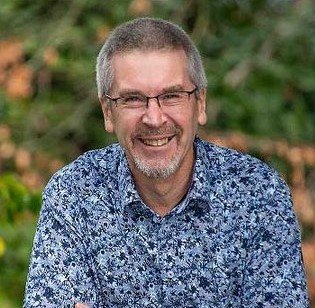
Professor of Geography and International Development, Massey University
The Afterlife of Plastics: Environment and Human Health Impacts
Since the introduction of plastics in 1907, they have transformed our world. However, their story doesn't end when we throw them away. Emeritus Professor Ian Shaw explores how plastics become microplastics, their journey through ecosystems and our bodies, and the emerging evidence associating them with environmental and human health impacts.
It all began in the USA in 1907 when Leo Baekerland created the first plastic. One hundred and eighteen years on and plastics are part of almost every bit of our lives. Our kitchen utensils, surgical equipment, mobile phones, computers and cars comprise huge amounts of plastics. To give an idea of the meteoric rise in plastic manufacture, in 1960 about 10 million tonnes were manufactured and by 2014 more than 300 million tonnes were produced. Plastics have a huge economic value because of their broad application to all aspects of our lives – this is their all-important life. But what happens when we have finished with them? What is their afterlife?
Most plastics end up in landfills or are discarded into the environment by careless users. While there are few bacteria that fully degrade plastics, constant erosion by the sea or earth abrasion breaks plastics into smaller and smaller fragments, eventually becoming microplastics (2 µm to 10 mm across) which persist in the environment.
The millions of tonnes of plastics in the environment are slowly being converted to microplastics. Now almost everywhere on earth is contaminated. They are filtered from marine environments by filter feeders (e.g., mussels) which affects their growth and development, and they are appearing in plants, including many vegetables consumed by humans. In addition, microplastics are light and can become airborne. All facets of the earth’s environment are now contaminated. We are constantly exposed to microplastics in our food, the water we drink, and the air we breathe.
Plastics also contain other chemicals. For example, plasticisers are used to modify the physical properties of everyday plastics – they make them soft, bendable and stretchy. When plastics enter the environment, these plasticisers leach out or are carried within microplastics. Many plasticisers are biologically active. Some mimic the female hormone, estrogen and have feminising effects on humans and animals. They might influence the incidence of some hormone-driven cancers (e.g., breast cancer) or confuse animal reproduction processes.
Further, as microplastics are transported around the earth on ocean currents, they adsorb environmental pollutants (e.g., pesticides) and carry them to their human and animal destinations. The implications of this can currently only be imagined.
The potential for plastics via plasticisers or microplastics to impact ecosystems or human health is becoming fact. The impact of estrogen mimics on ecosystems is well understood, their impact on human health is becoming understood, and there are the first inklings of associations between microplastics and human diseases such as early onset colorectal cancer.
In his talk, Professor Shaw will explore the mechanisms and effects that underpin the environmental and health impacts of plastics and speculate on where it is all leading.
YOUR SPEAKERS
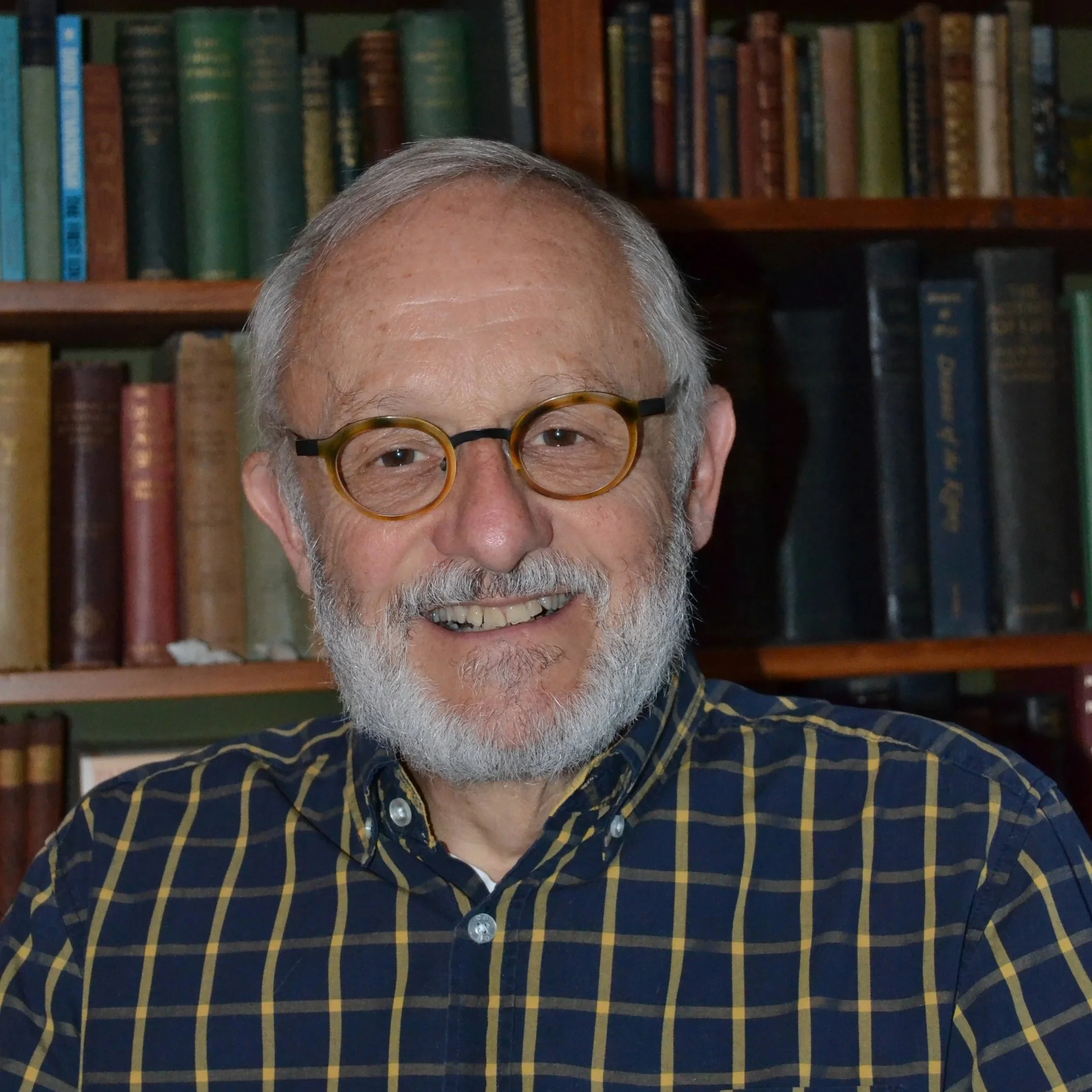
Emeritus Professor of Toxicology, DSc, PhD, FRCPath, University of Canterbury
Photography Exhibition: Camilla Rutherford
Photographer Camilla Rutherford opens her powerful exhibition exploring Vietnam's waste villages, revealing the hidden human cost of our global recycling system.
This exhibition is free and open to all pass and kōrero ticket holders attending Wao Summit. It will be installed at Rippon Hall from Tuesday 27th July - Thursday 29th July.
Opening Night Tuesday 27th July: Join us as we open this exhibition, meet the photographer, and celebrate the stories behind the images over drinks and conversation.
Once Were Farmers is an award-winning photographic exhibition by Camilla Rutherford that challenges us to reconsider what happens after we place something in the recycling bin.
While travelling in Vietnam, Camilla discovered villages that had once relied on farming but now survive by processing the world's discarded plastic. These communities have become "farmers of waste", working in difficult conditions to extract value from materials exported from wealthier nations.
Through striking photography and personal storytelling, Camilla reveals both the environmental realities of our global consumption and the humanity of the people living within these systems. Her work moves beyond statistics to tell the stories of individuals and families whose livelihoods depend on our waste.
The exhibition opening includes a short film with Camilla sharing how this unexpected discovery reshaped her project and why these hidden communities deserve to be seen. It is a powerful invitation to reflect on the true cost of consumption, the complexity of global recycling, and our shared responsibility for the systems we create.
MEET THE ARTIST
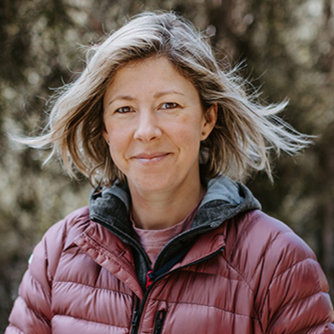
Freelance Photographer & Film Maker

Evening Kōrero: The Election Conversation
Tickets for the Election Conversation are now SOLD OUT. Please join the Waitlist to be notified of any available tickets.
Hear directly from major election candidates as they respond to community and business questions about their vision for our region's and country's future. This event will be co-hosted by Wānaka Business Chamber, and moderated Mark Sinclair.
Have questions for the panel? Have your say at The Election Conversation.
Submit your question here and help shape the conversation on the night.
Doors open at 5:30pm for an hour of mingling, drinks and our famous Wao platters — wine, beer and non-alcoholic drinks will be available for purchase (card only) at the Rippon bar. Photographer Camilla Rutherford will also open her powerful exhibition exploring Vietnam's waste villages, revealing the hidden human cost of our global recycling system.
The main conversation kicks off promptly at 6:30pm.
Cost: $15.00
Te Taiao Day Passholders receive a $5 discount to attend this evening kōrero - purchase as a ticket add-on via Humantix after selecting your day pass to receive the discount.
Political Panel

Deputy Prime Minister
MP for Epsom, Minister for Regulation and ACT Party Leader

Greens Party Co-leader

Labour List MP
Spokesperson for Trade & Export Growth, Defence, Land Information, and Regional Development

Te Pāti Māori Candidate
Te Tai Tonga Electorate

National MP
Waitaki Electorate

New Zealand First Candidate
Waitaki Electorate

Opportunity Candidate
Wellington Bays Electorate
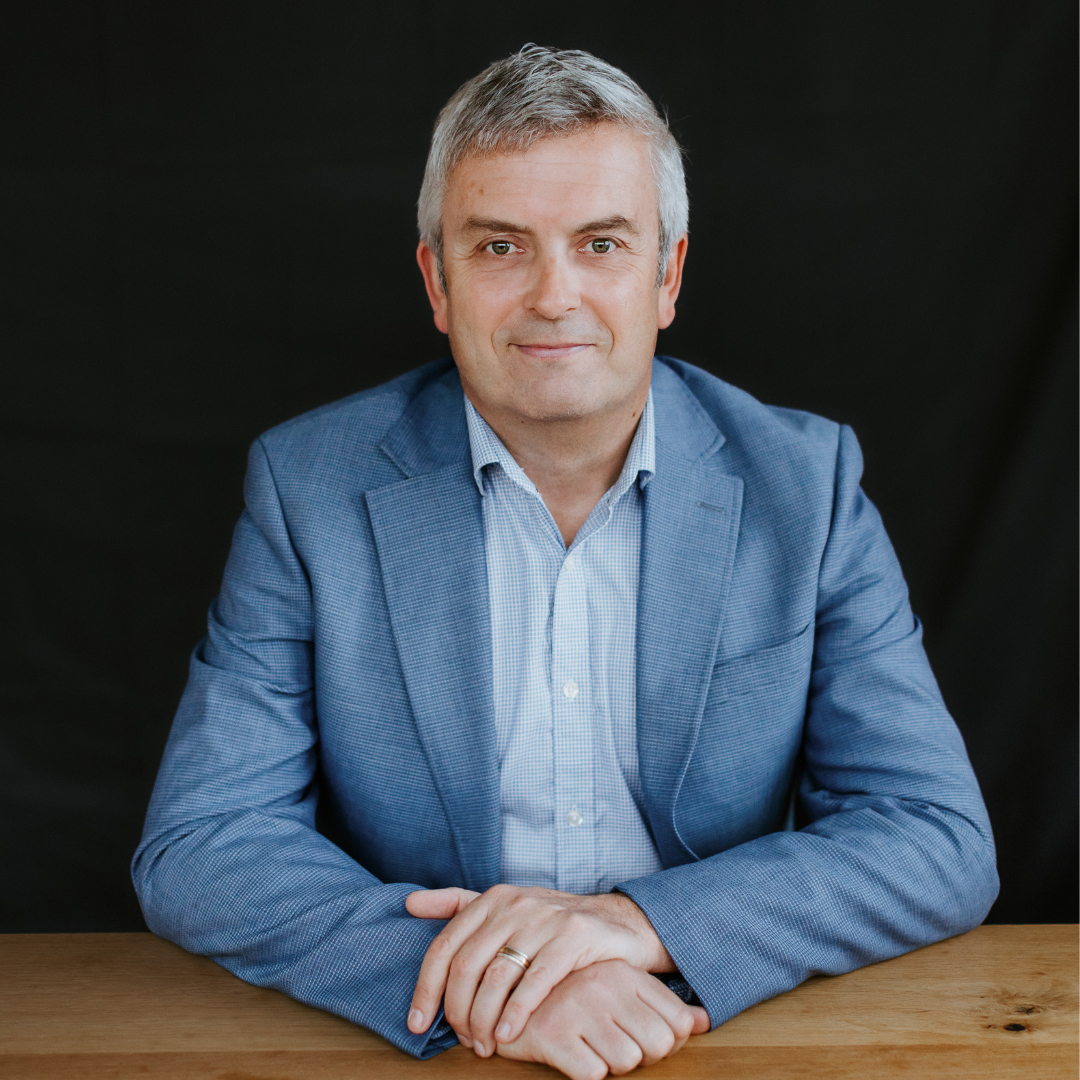
Moderator
With a general election approaching, this is an opportunity to hear directly from representatives of the political parties on the issues that matter most.
Hosted in partnership between Wao Aotearoa and the Wānaka Business Chamber, this facilitated, wide-ranging discussion will explore the challenges and opportunities facing Wānaka, the Upper Clutha and Aotearoa New Zealand. Questions will be gathered from community members and businesses ahead of the event, ensuring the conversation reflects diverse views and local priorities and concerns.
The evening is designed to encourage thoughtful discussion, provide clarity on party positions, and help voters make informed decisions. Topics are expected to span housing, health, infrastructure, transport, climate, conservation, energy, business, the economy and community wellbeing.
Whether you're still deciding how you'll vote or simply want to better understand the choices facing New Zealand, this is an opportunity to engage with those seeking to represent our community in an open, respectful and constructive democratic conversation.
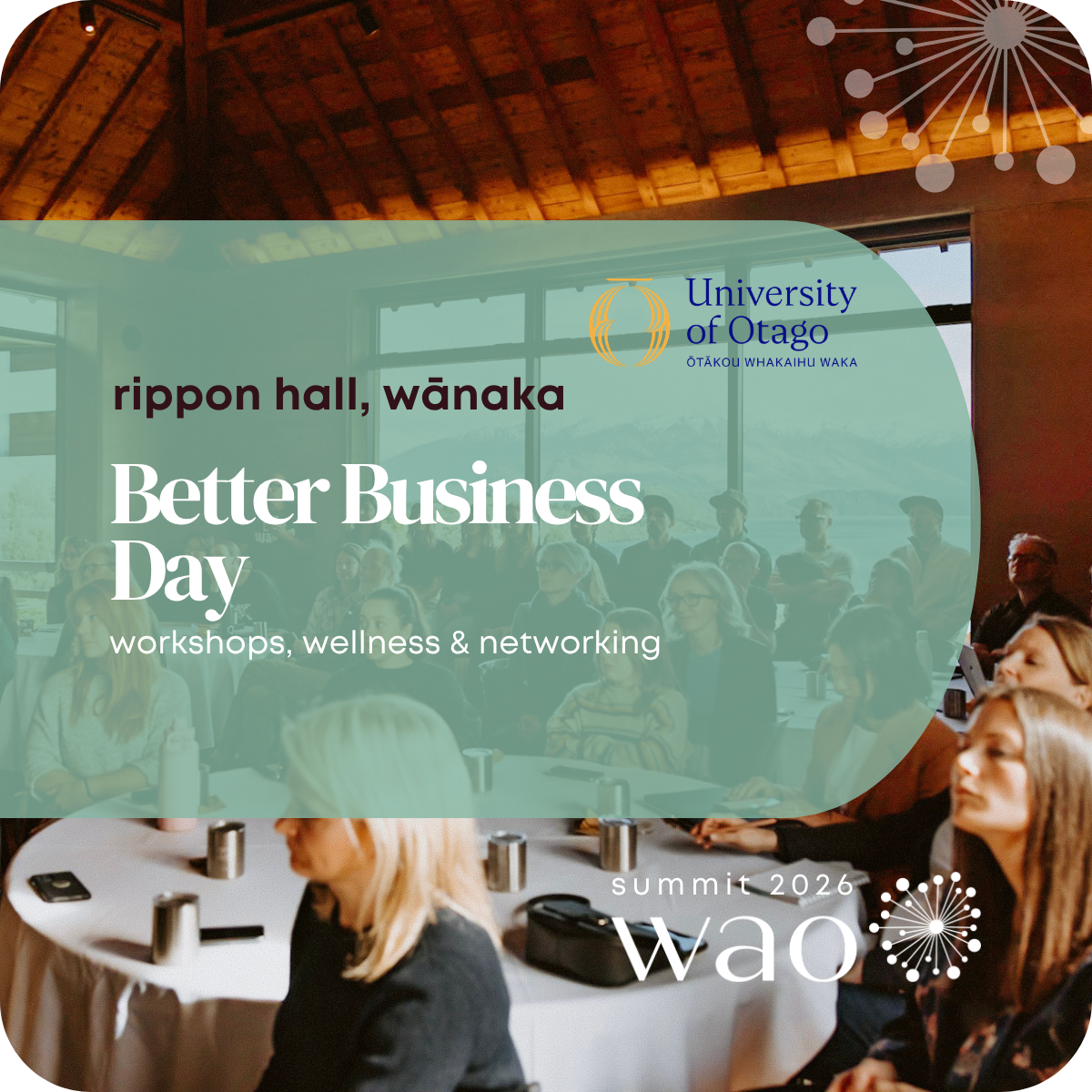
Better Business Day
Better Business Day brings together visionary leaders, practical thinkers and purpose-driven businesses to explore what leadership looks like in a rapidly changing world. Through workshops, inspiring conversations and real-world examples, discover how hope, innovation and purpose can help create resilient businesses, stronger communities and a thriving future for generations to come.
Read more about the Better Business Day in this blog post by Kelcey Radford, Better Business and Events Programme Manager at Wao.
DAY PROGRAMME
Wednesday 28 October 2026
7:00AM: Morning Flow (optional)
8:30AM: The Networking Breakfast
9:00AM: Designing Hopeful Futures
11:00AM: Morning Tea
11:30PM: Built to Adapt
12:30PM: Better Business Lunch
1:30PM: Innovation vs. Consent: Who Is Technology Really For?
2:15PM: Planetary Insights: Beyond Carbon
2:45PM: Afternoon Tea
3:15PM: Business as a Force for Good
5:30pm: Evening Green Drinks & Kōrero - The Age of Complexity: Navigating an Interconnected World(separate Kōrero ticket required. Better Business Day Passholders receive a $5 discount - purchase as a ticket add-on via Humantix after selecting your day pass to receive the discount)
Schedule subject to change, any updates will be communicated here and to ticket holders.
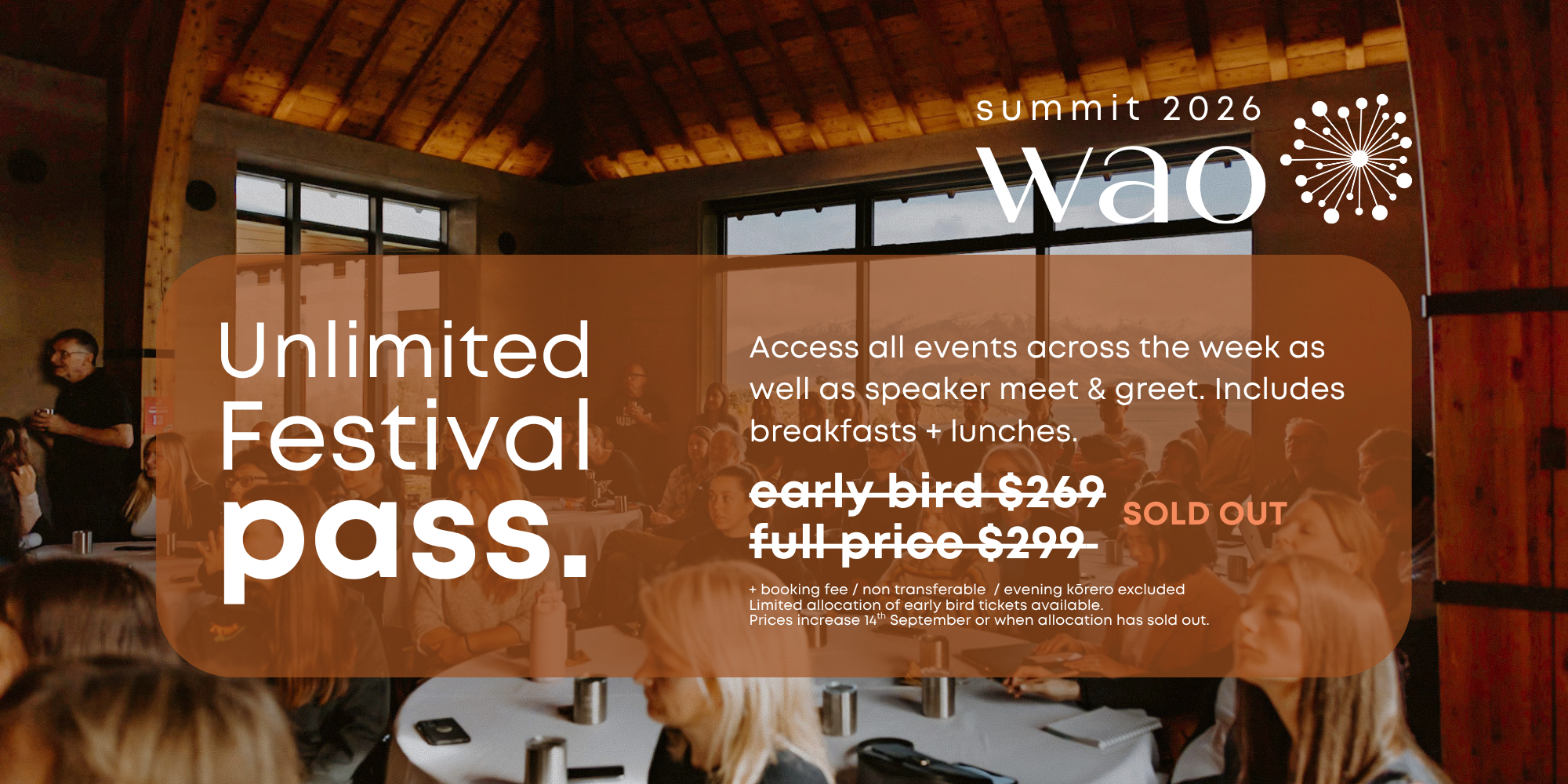
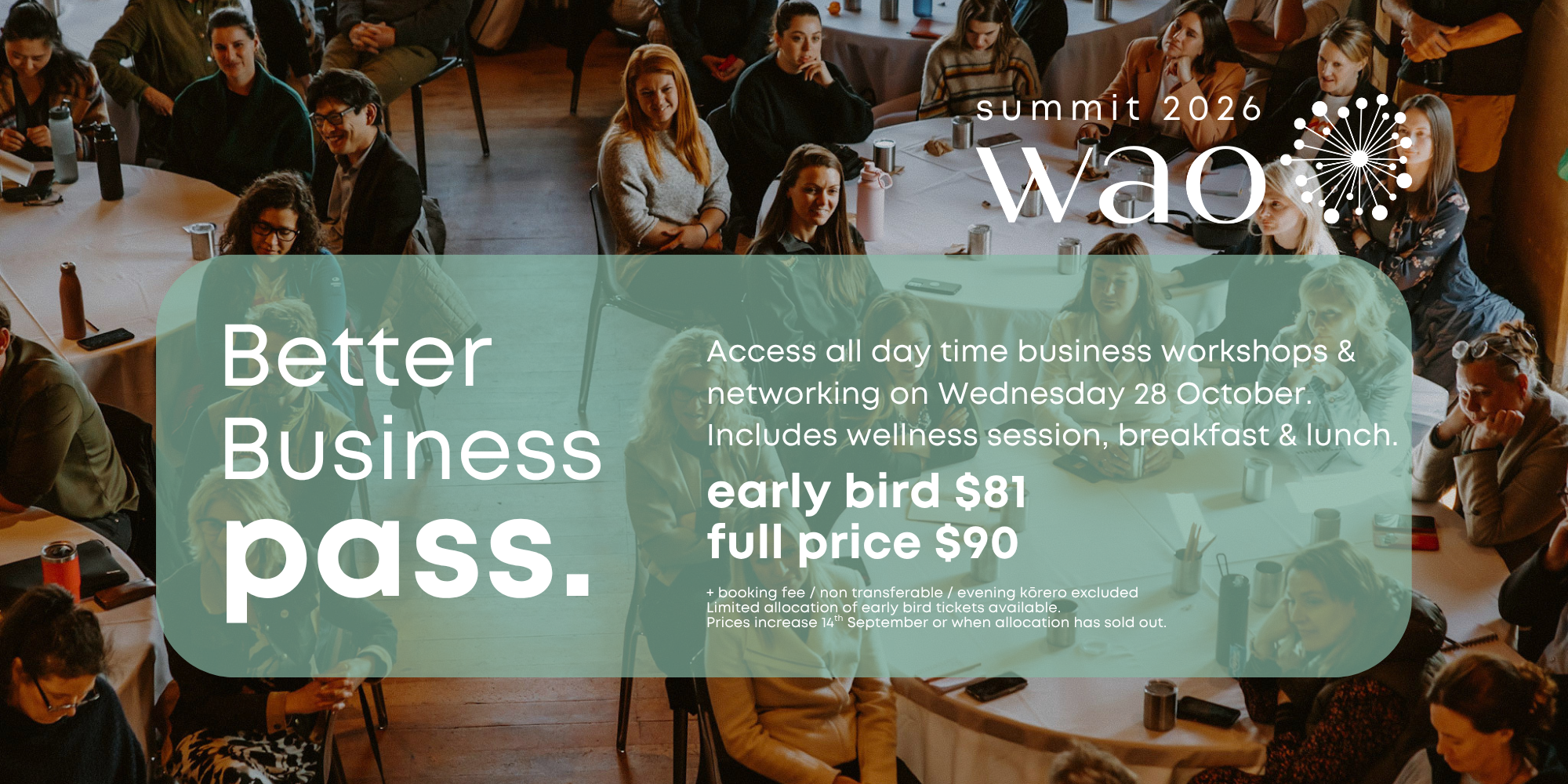
SESSION DETAILS - CLICK ON A SESSION FOR FULL DETAILS
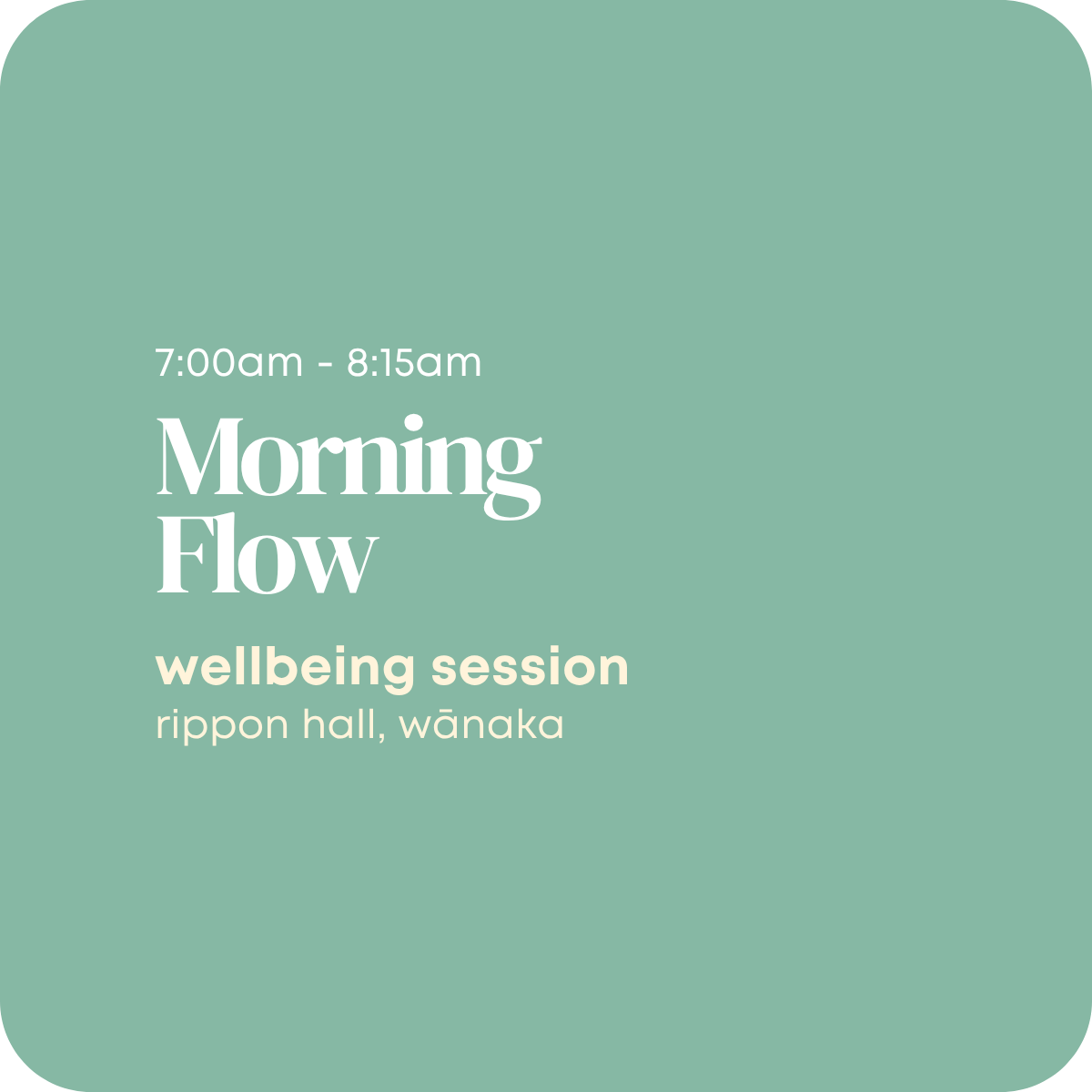
Morning Flow
Begin the day with Yoga. Bring movement, breath and mindfulness to your day, to help you feel energised, focused and ready for a day of learning and connection.
Before a full day of ideas, learning and connection, take a moment to invest in yourself.
Join experienced yoga instructor Alison Corthell for a gentle morning session designed to help you stretch out, clear your mind and set yourself up for a productive day ahead. Suitable for all experience levels, this session will leave you feeling refreshed, focused and ready to make the most of everything Better Business Day has to offer.
Whether you're a regular on the mat or trying yoga for the first time, this is the perfect opportunity to slow down, reset and start the day with intention.
Come as you are. Leave feeling energised, centred and ready for a better business day.
Please BYO yoga mat and any props (block, straps, blankets).
YOUR INSTRUCTOR
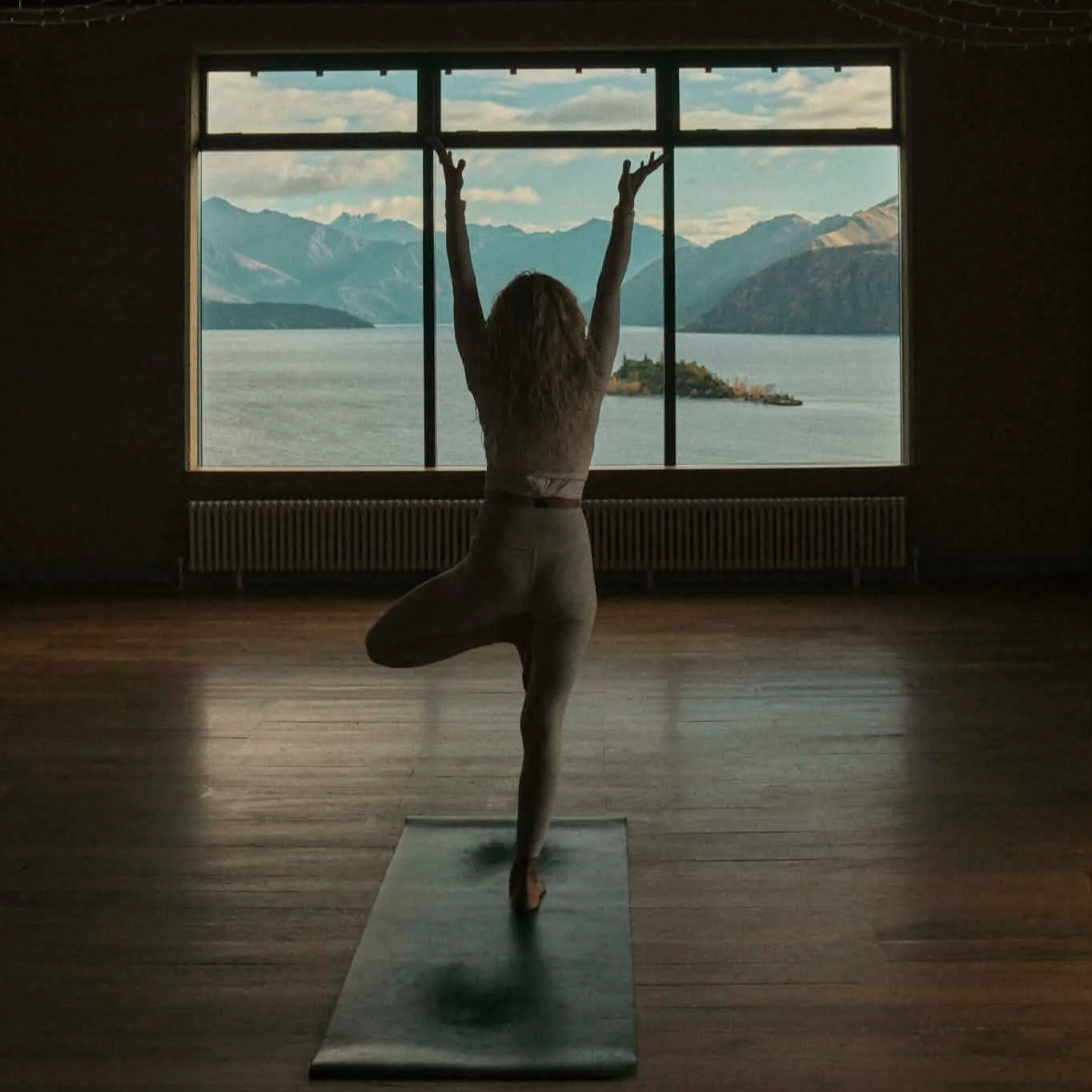
Alison Corthell is a yoga teacher, wellness advocate, and sustainability leader whose work is rooted in creating healthier people and a healthier planet. Bringing the same values of mindfulness, balance, and connection to her yoga practice, Alison creates welcoming spaces where participants can reconnect with themselves, each other, and the natural world.
The Networking Breakfast
Start the day with great coffee, delicious kai and meaningful conversations with business leaders, entrepreneurs and change makers from across the region.
Great ideas often begin with great conversations.
Join fellow business owners, leaders, entrepreneurs and change makers for a relaxed networking breakfast before Better Business Day begins. Over great coffee and delicious kai, you'll have the opportunity to make new connections, reconnect with familiar faces and share ideas with others who are passionate about building resilient businesses and thriving communities.
Whether you're looking to expand your network, explore collaborations or simply enjoy thoughtful conversation with like minded people, this is the perfect way to start the day.
Come curious, and enjoy a half hour of connection before a day of inspiring workshops, speakers, practical insights and fresh thinking about the future of business.
Designing Hopeful Futures
Move beyond fear and uncertainty to imagine the future you want and discover practical tools to build resilient people, workplaces and communities.
What sort of future are you imagining for yourself, your family, your community or your business?
For many of us, the future can feel uncertain. It is easy to become consumed by headlines that leave us asking, How do I survive what's coming? But what if we asked a different question? How do we build the future we want?
The future doesn't exist yet. Before we can create it, we have to be able to imagine it.
In this highly interactive workshop, Dr Denise Quinlan will guide participants through practical tools and conversations that help turn hope into action. Together, you'll explore what a thriving future could look like, connect with others who share your aspirations, and discover how stronger relationships and shared purpose can build resilience in your workplace, your community and your own life.
Because hope is more than optimism. It is something we create together. And when we imagine better futures together, we are far more likely to build them.
YOUR FACILITATOR
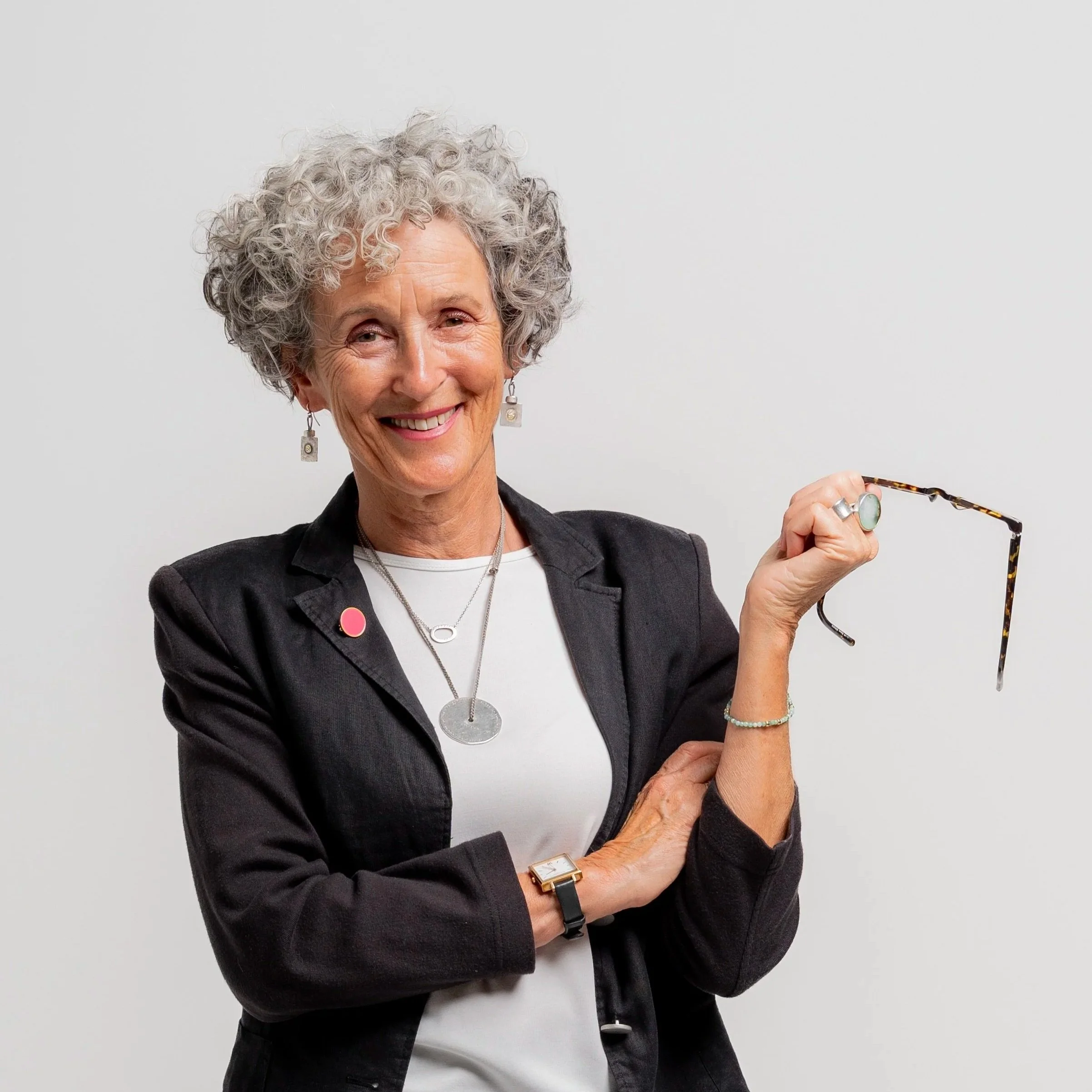
Founding Director, NZ Institute of Wellbeing and Resilience
Built to Adapt
Building resilience into your business. What would it take for your business to keep functioning when the conditions you depend on change?
Innovation vs. Consent: Who Is Technology Really For?
Science and technology are rapidly reshaping our world faster than society can scrutinise it. Yet every breakthrough depends on public trust. Drawing on decades covering global technology, Peter Griffin explores who innovation serves, why social licence is under pressure, and what it will take to ensure transformative technologies deliver broad human benefit.
From artificial intelligence and hyperscale data centres to gene editing and commercial spaceflight, technological progress is accelerating at a pace few societies can scrutinise.
Yet every breakthrough depends on something fragile: social licence. Drawing on decades covering global tech, Peter Griffin interrogates who today’s innovations truly serve, how power concentrates around capital and compute, and why public trust is fraying. This session explores the widening gap between builders and citizens, and asks what it will take to align ambition with accountability, so transformative technologies deliver broad human benefit rather than narrow advantage. Across sectors and borders, the stakes are rising.
YOUR SPEAKER
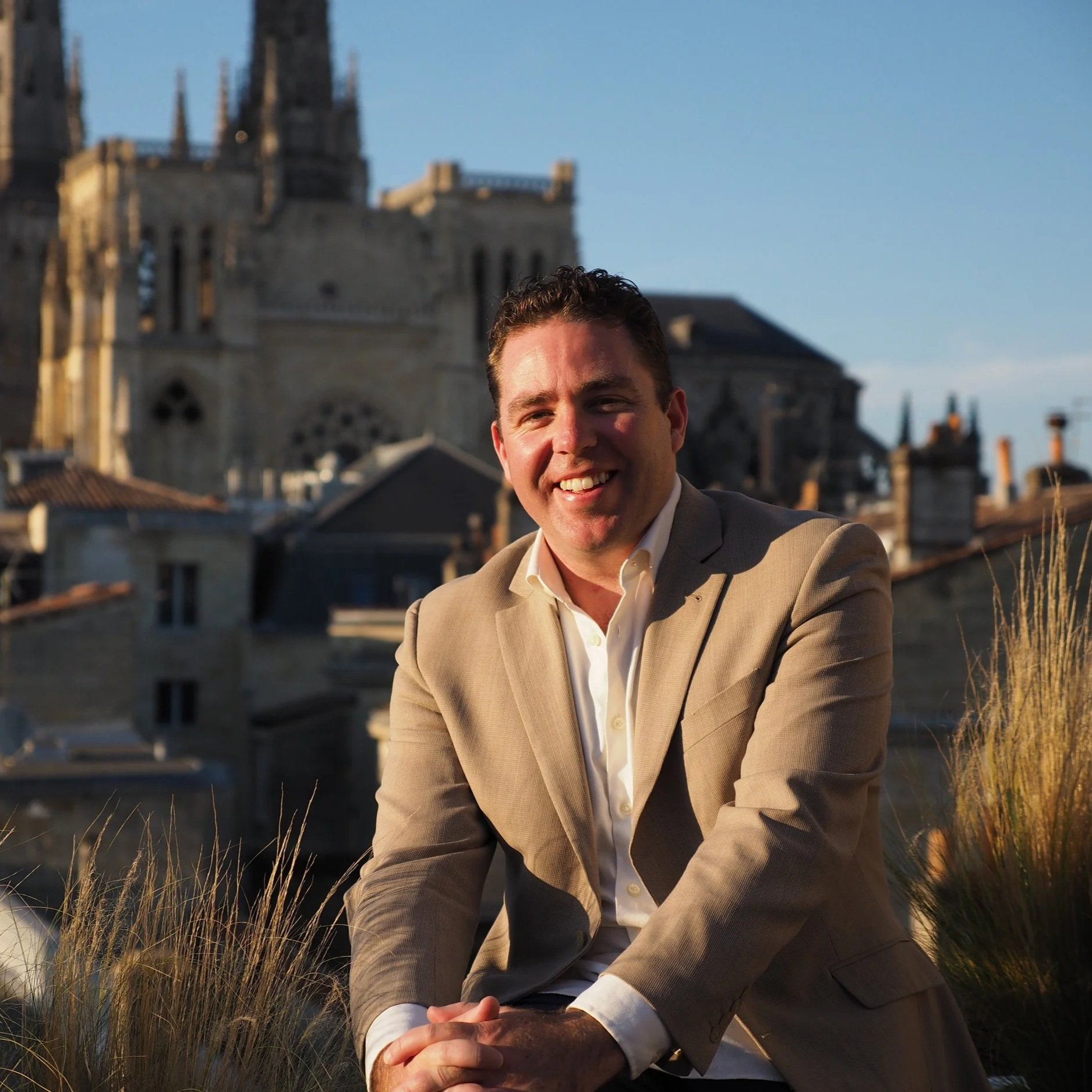
Peter Griffin is New Zealand's leading technology journalist, serving as BusinessDesk's primary tech correspondent, a columnist, and podcast host. He covers the intersection of technology, business, science and innovation.
Planetary Insights: Beyond Carbon
Discover how Planetary Insights measures organisational impacts across carbon, water, biodiversity, waste and other planetary boundaries, turning operational data into credible environmental accounts.
Carbon accounting tells only part of the story. Businesses and organisations also impact freshwater, biodiversity, land, waste, air quality, nitrogen, phosphorus and other natural systems that support society and the economy.
In this practical session, Kate Meyer introduces Planetary Insights, an environmental accounting platform developed under the Planetary Accounting Network.
The platform allows organisations to record everyday operational information such as energy use, travel, materials and waste, then calculate impacts across ten environmental footprints within one consistent system. Results are placed in context against science based planetary budgets, helping organisations understand material impacts and trade offs rather than viewing each issue separately.
Kate will demonstrate how the platform works, from guided setup and data entry to evidence capture, environmental accounts and reporting outputs. Participants will see how Planetary Insights can support credible measurement, informed decision making and environmental disclosure while enabling finance and operations teams to manage the process in house.
YOUR SPEAKERS
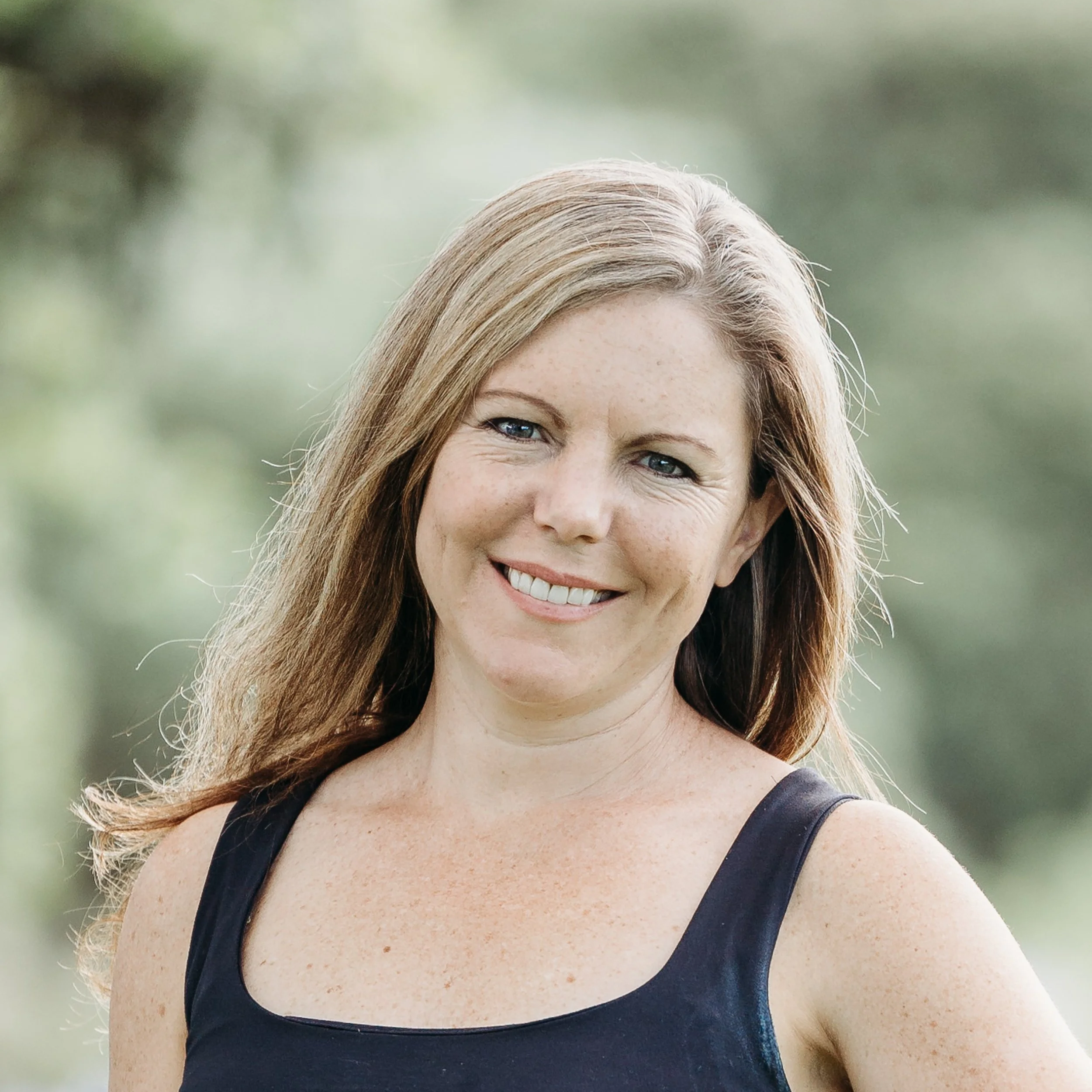
Founder/CEO The Planetary Accounting Network
Business as a Force for Good
Hear from purpose driven business leaders redefining success by creating value for people, communities and the planet alongside strong commercial outcomes.
What does better business look like in practice?
Join an inspiring conversation with business leaders who are proving that commercial success and positive impact can go hand in hand. Through honest conversation and real world experience, they will share how purpose, values and long term thinking influence the decisions they make, the challenges they have faced and the opportunities they see for the future.
Together, the panel will explore what it means to build resilient businesses that create value beyond profit, strengthen communities, care for the environment and inspire others to do the same. Rather than offering a single blueprint, this conversation will showcase different approaches to leadership, innovation and entrepreneurship that are helping shape a more resilient economy.
Whether you are starting a business, leading an established organisation or simply curious about what the future of business could look like, this session will leave you with practical insights, fresh perspectives and the confidence to lead with purpose.
YOUR SPEAKERS
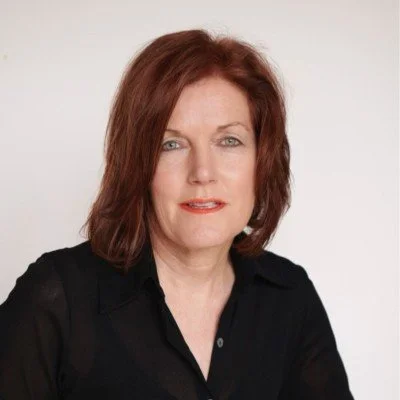
CEO Central Otago Health Services
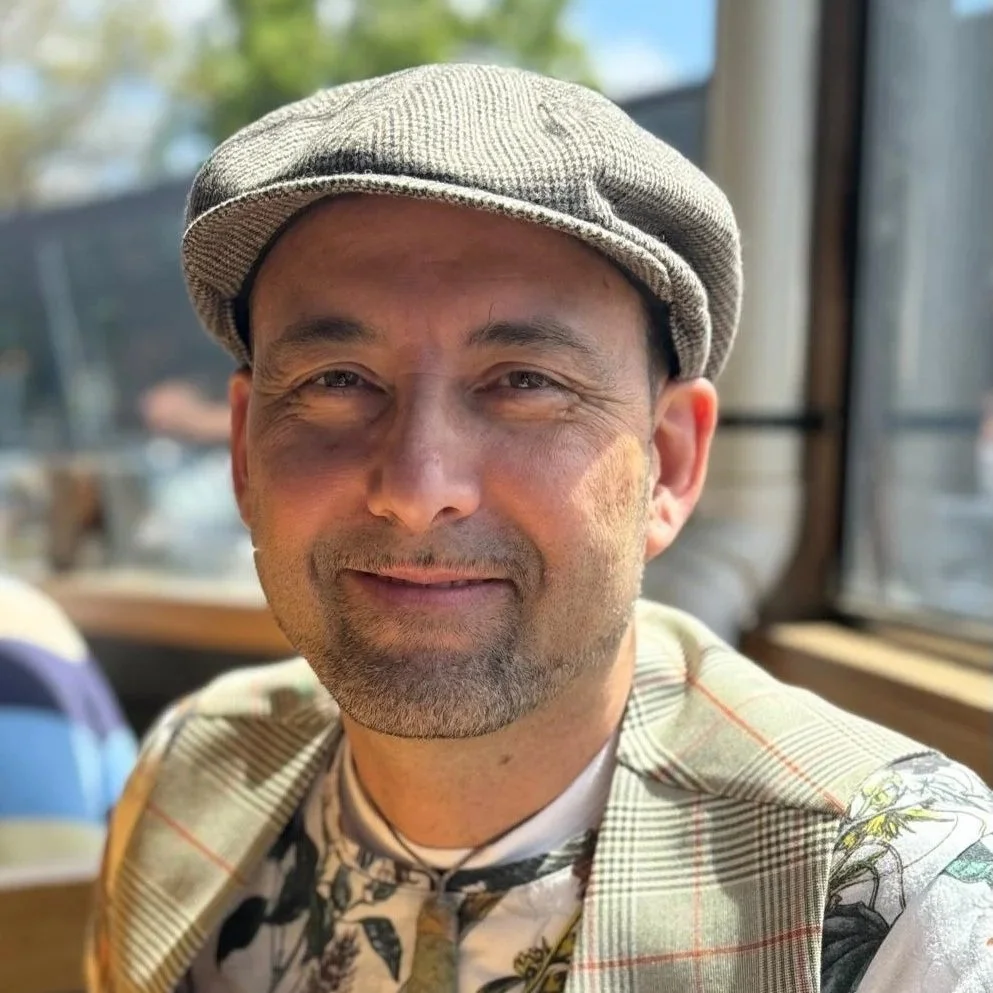
Founder, Taste Nature Social Enterprise
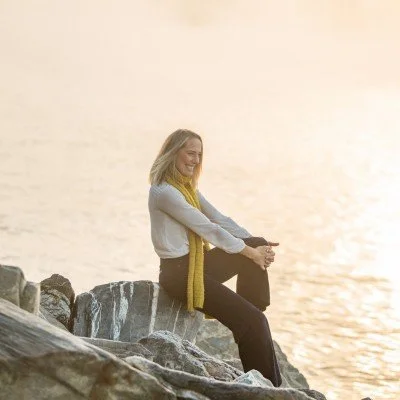
Co-Founder & Communications Director, Wao Aotearoa and Conscious
Founder and CEO, The Planetary Accounting Network
General Manager, Devold New Zealand
Professor and Head of Department at Otago Business School, Ōtakou Whakaihu Waka University of Otago
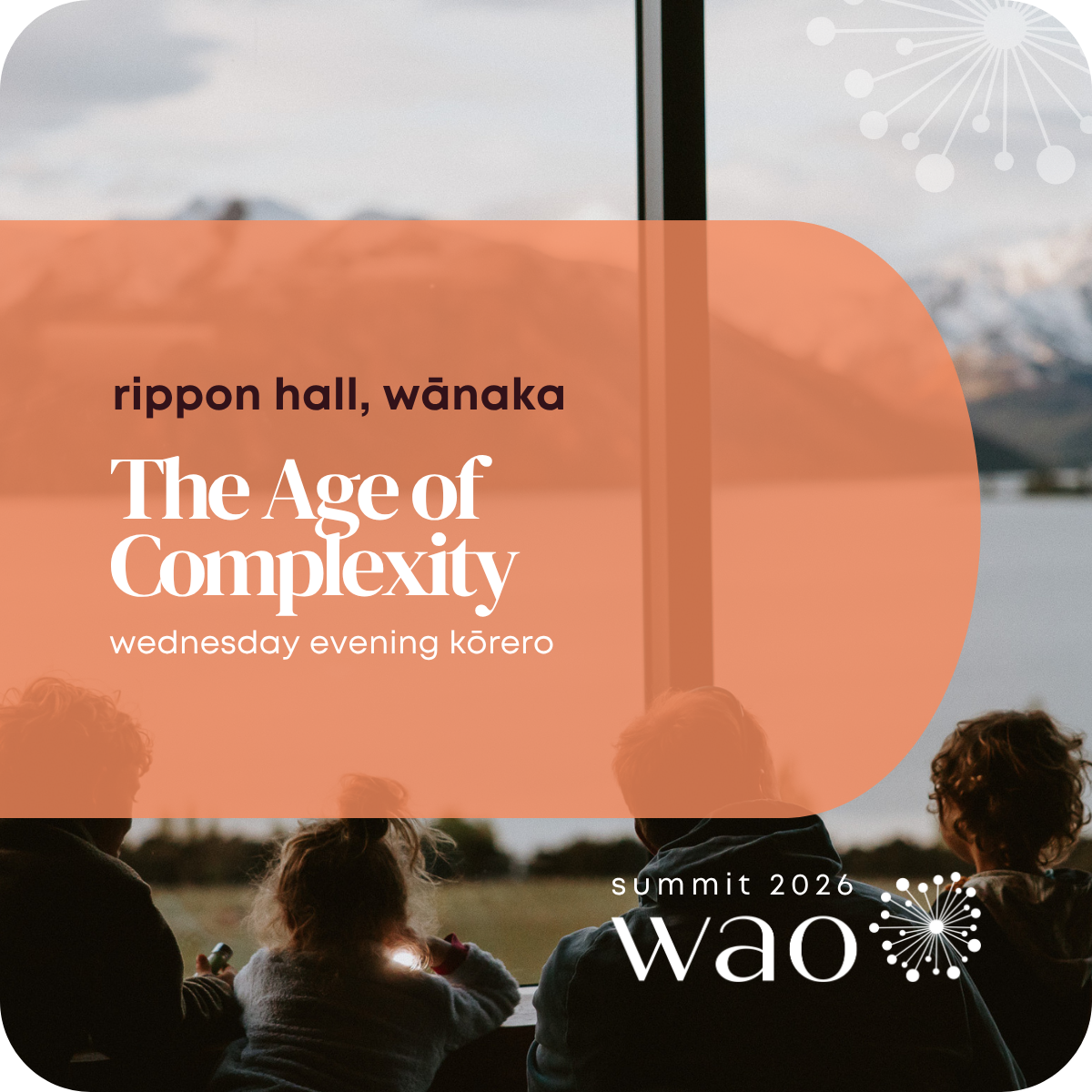
Evening Kōrero: The Age of Complexity
Climate, biodiversity, resources, technology and the economy are deeply interconnected. Explore why today's challenges cannot be solved in isolation, the importance of an evidence based approach and what resilience really requires.
This Kōrero requires a separate ticket. Doors open at 5:30pm for an hour of mingling, drinks and our famous Wao platters — wine, beer and non-alcoholic drinks will be available for purchase (card only) at the Rippon bar. Be sure to come early to have an opportunity to view Photographer Camilla Rutherford's powerful exhibition exploring Vietnam's waste villages, revealing the hidden human cost of our global recycling system.
The main conversation kicks off promptly at 6:30pm.
Cost: $15.00
Better Business Day Passholders receive a $5 discount to attend this evening kōrero - purchase as a ticket add-on via Humantix after selecting your day pass to receive the discount.
Climate change. Biodiversity loss. Resource constraints. Plastics pollution. Artificial intelligence. Economic uncertainty. Declining trust. These are often treated as separate challenges, yet they are increasingly interacting in ways that amplify one another and create new forms of complexity.
Join our speakers for a wide-ranging conversation exploring the interconnected forces shaping our future. Drawing on expertise in systems thinking, critical minerals and resource development, environmental toxicology, nature and biodiversity, technology, and science communication, the panel will examine why many of today's challenges cannot be understood, or solved, in isolation and the importance of a science led, evidence based approach to doing so.
This is an invitation to step back, look at the bigger picture, and consider what it will take to build resilient communities, economies and ecosystems in an interconnected world.
YOUR SPEAKERS
Peter Griffin is New Zealand's leading technology journalist, serving as BusinessDesk's primary tech correspondent, a columnist, and podcast host. He covers the intersection of technology, business, science and innovation.
Lecturer in Climate Change at Te Herenga Waka Victoria University of Wellington
Nature & Climate Change Specialist
Emeritus Professor of Toxicology, DSc, PhD, FRCPath at University of Canterbury
Professor of Geography and International Development at Massy University
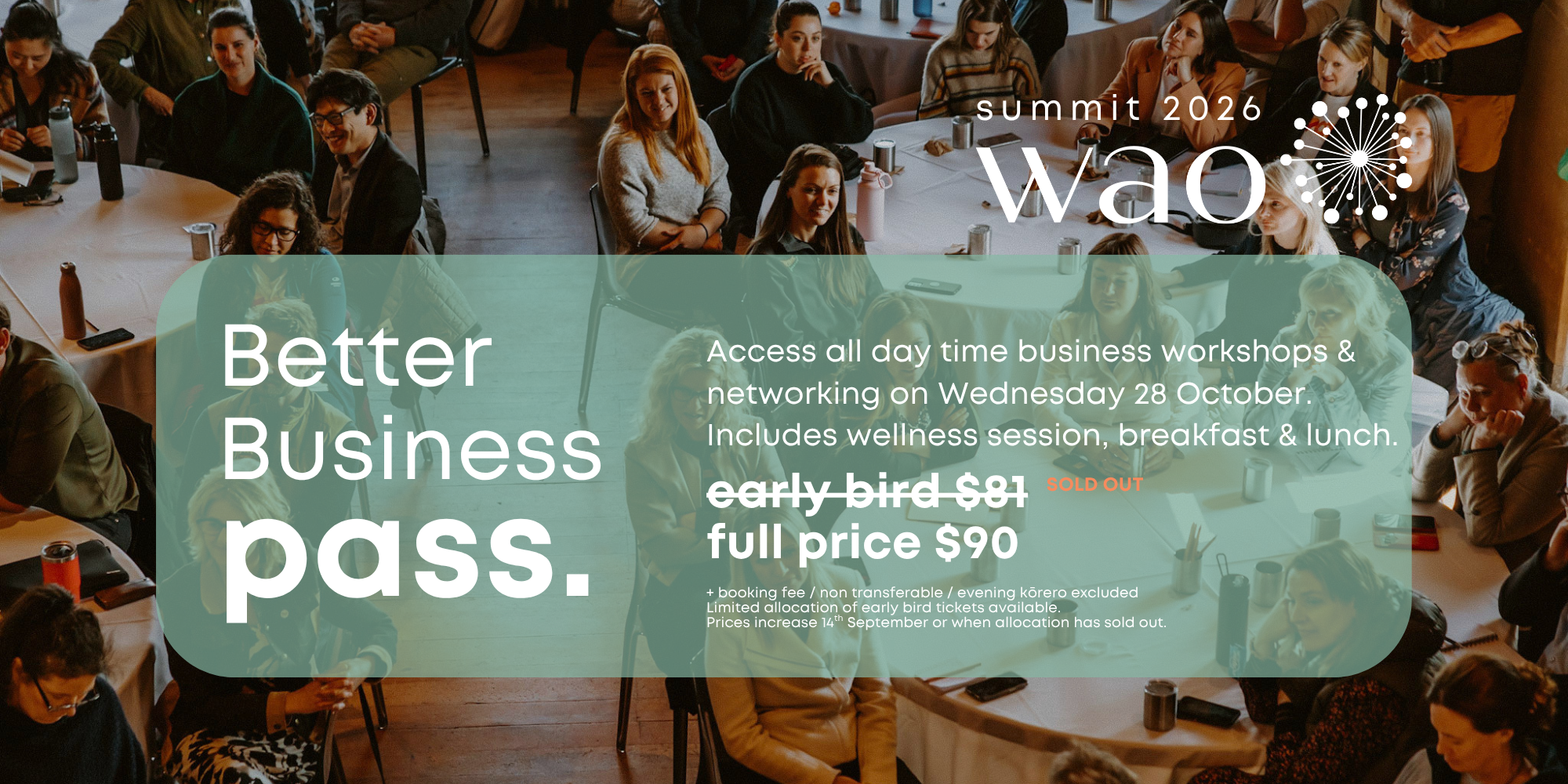
Buy a Better Business pass and receive a $5 discount to attend ‘The Age of Complexity’ evening kōrero - purchase as a ticket add-on via Humantix after selecting your day pass to receive the discount.

Better Building Brekkie & Trade Show
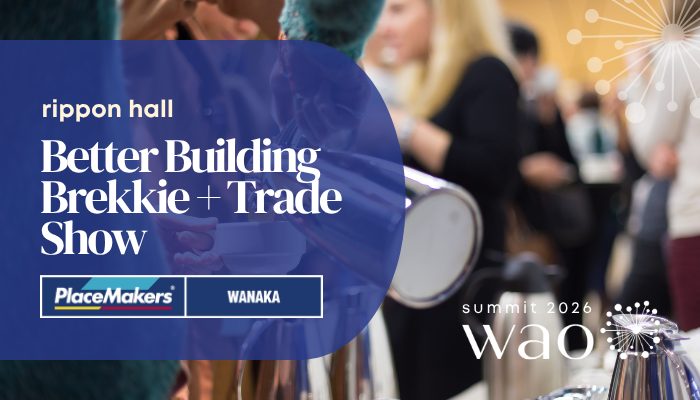
Good ideas travel faster over breakfast. Connect with industry peers, explore trade stalls and start the day with conversations that build better.
Kick things off with a free brekkie from PlaceMakers Wānaka, then wander the trade stalls featuring businesses and organisations innovating and working towards a better building industry. Come along to chat with the stalls, catch up with new and familiar faces, and fuel up before the day's sessions begin.
TRADE STALLS

PlaceMakers Wānaka
Built for trade with NZ’s largest range, expert service, and tools that make business easier.

Pro Clima
For airtight, healthy buildings, with underlays, membranes, tapes, and sealants that keep homes dry, durable, and energy-efficient.

XLAM
Mass timber construction, with New Zealand-grown plantation pine and prefabricated panels.
Markplan
Structural and Civil Engineers delivering residential, commercial, and community solutions across New Zealand.

StrawSIPs
High-performance straw-timber wall panels that cut heating costs, improve indoor air quality, and simplify construction.

New Zealand Institute of Architects
Advocacy, professional development, and awards that promote and celebrate outstanding architecture across Aotearoa's cities and natural environments.
Environmental Innovation Centre
Uniting innovation, research, and environmental solutions to lead the change for a sustainable tomorrow.
WAI Wānaka
Working with individuals, community groups, farmers, catchment groups, councils, schools and businesses to improve ecosystem health, reverse biodiversity loss and keep the water healthy.
+ more Stall Holders to be announced!
Better Building Day
Hosted this year at Rippon Hall, the Better Building Day brings together architects, builders, designers, local government, developers and changemakers to explore how we can build better. From healthier materials, circular design, nature positive development and values led leadership, our speakers and experts will set out the future direction of the industry. The day will end with a tour of some of Wānaka's inspiring local projects that are redefining what it means to build well. A day for the entire building industry to gather and shape future development.
Read more about the day in this blog post by Olivia Bonifant, Better Building Programme Manager at Wao.
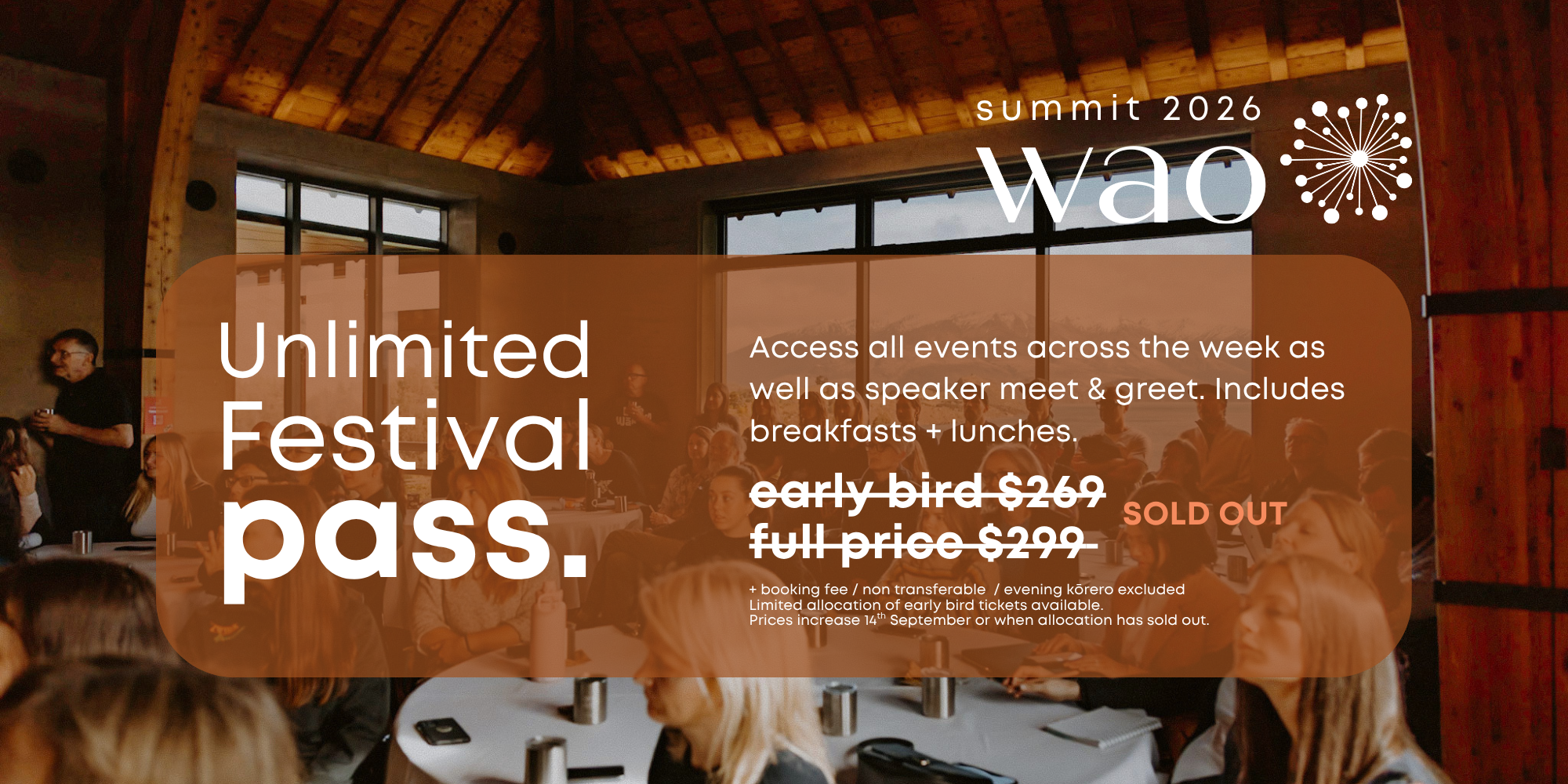
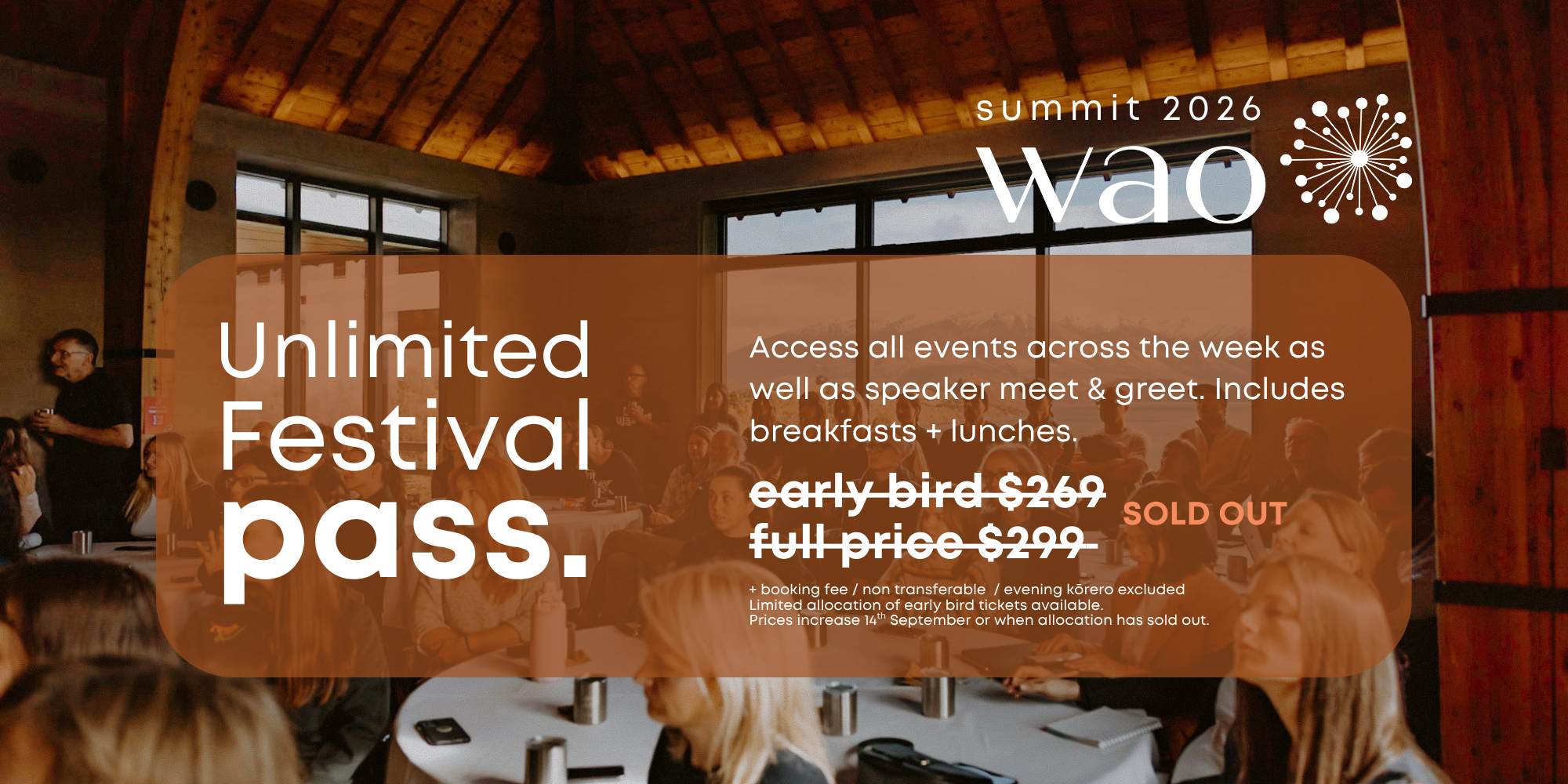
Professional development: NZIA-registered Better Building Day pass holders are eligible for 50 CPD points. Unlimited Festival Pass holders are eligible for 100 CPD points. Check out the FAQ page for more information. LBP points can also be claimed by pass holders..
DAY PROGRAMME
Thursday 29 October 2026
7:30AM - 8.45AM: Better Building Brekkie & Trade Show
9:00AM - 12.00PM: Speaker Presentations
Morning Tea
12:00pm - 1.00PM: Better Building Networking Lunch
1:00pm - 5.00pm: Better Building Tour
5:30pm - 8.00PM: Green Drinks & Evening Kōrero - The Future of Energy (separate Kōrero ticket required. Better Building Passholders receive a $5 discount - purchase as a ticket add-on via Humantix after selecting your day pass to receive the discount)
Schedule subject to change, any updates will be communicated here and to ticket holders.
PASS OPTIONS
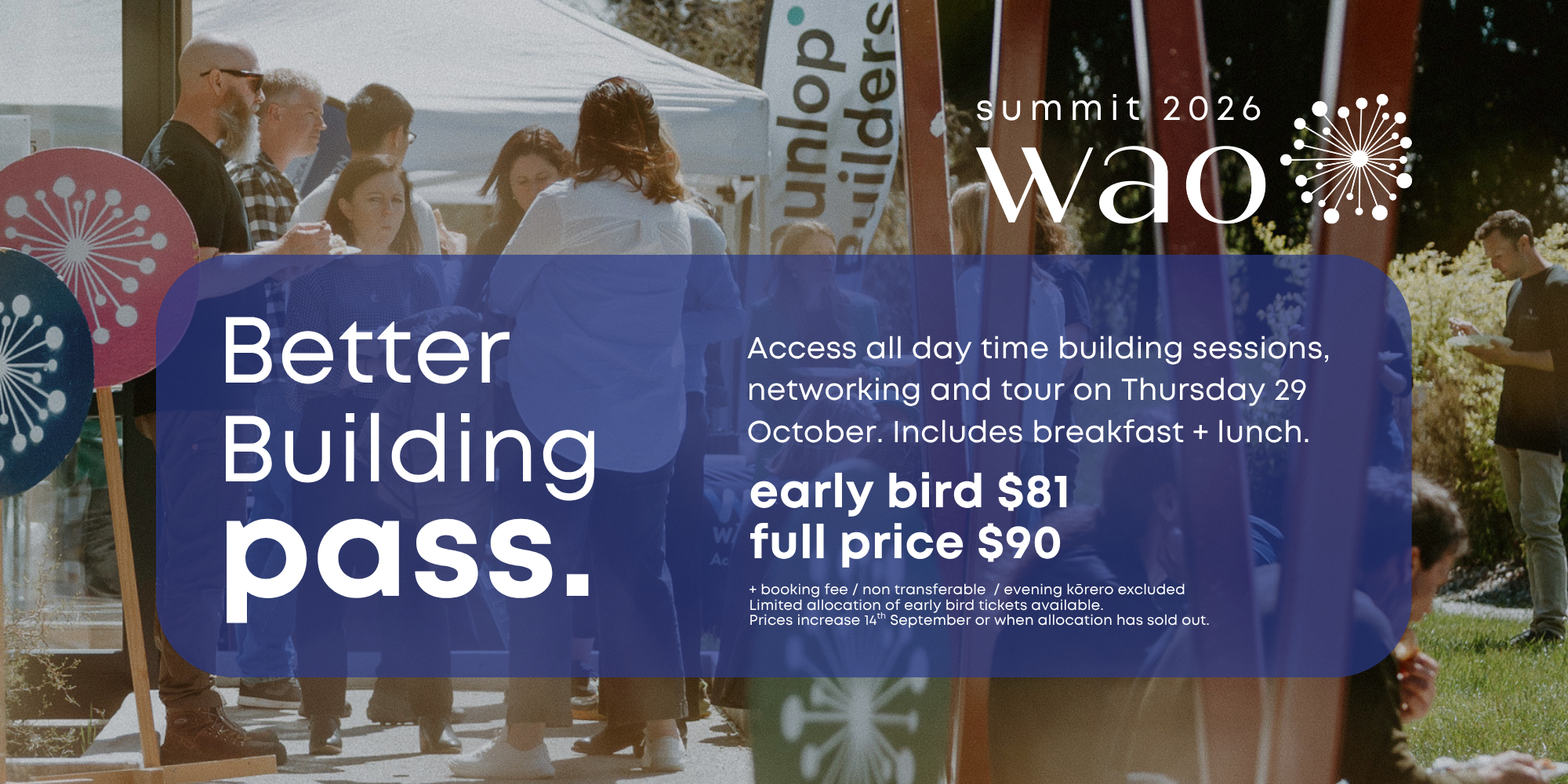
SESSION DETAILS - CLICK ON A SESSION FOR FULL DETAILS
The Story of the Hall
Hear the story behind Rippon Hall, where thoughtful design, local materials and a deep connection to place have created a building made to endure.
Architect Rafe Maclean opens the day with the story behind the building and what it means to design something built to stand the test of time.
Designed for the family who have farmed and cared for this land above Lake Wānaka for generations, with walls of rammed earth dug from soil on site, trusses of larch milled from trees grown on the property, and floors of rimu recycled from Wairau Hospital. Hear the story while overlooking one of the most breathtaking views in Wānaka.
YOUR SPEAKERS
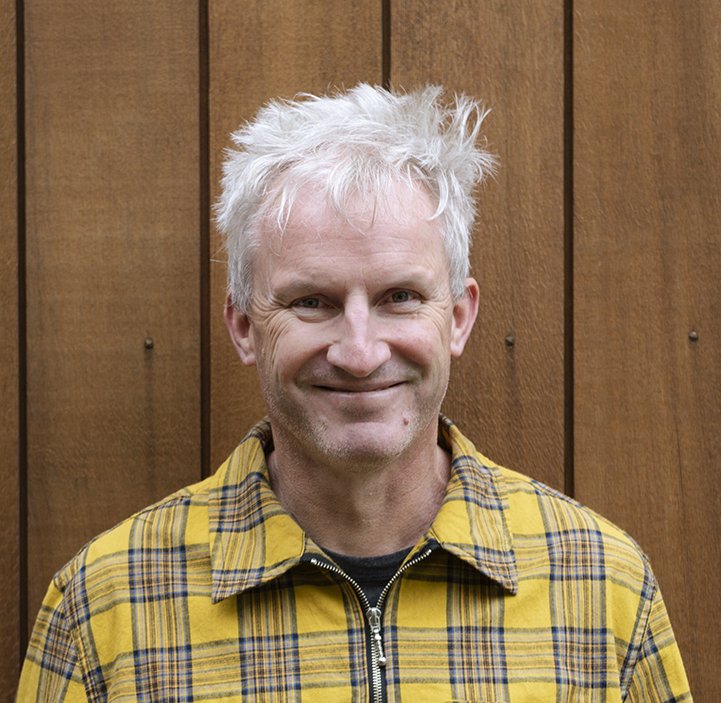
Principal, Rafe Maclean Architects
Journey to 2126
If we don't know where we're going, how do we know what to build? Journey to 2126 explores the future we're designing for, together.
The Journey to 2126 research project began with a simple question from the Better Building Working Group. We design and construct buildings that will shape communities for generations, but what will those communities need to thrive a hundred years from now?
The decisions we make today about housing, transport, biodiversity and food systems will continue to influence the places we live long into the next century. Designing for the future starts with understanding the destination. It requires us to recognise the constraints we face, imagine the communities we want to create, and make deliberate choices that move us towards them.
Join Monique Kelly as they introduce Journey to 2126, a long term research project exploring what thriving, resilient communities could look like in the year 2126. Joined by local students from the Future Makers programme, this session invites us to see the future through the eyes of the next generation and begin designing places that they, and those who follow them, will be proud to inherit.
YOUR SPEAKERS

Wao Aotearoa General Manager and Wao Summit Programme Director
Understanding Circularity
Circularity is more than recycling. Discover practical ways to keep materials in use longer and reduce waste through better design and decision making.
Recycling gets most of the attention in conversations about waste, but it's usually the last resort — not the first move. Understanding circularity properly means asking different questions earlier: what materials are we specifying, how long do they hold their value, and where do they actually end up.
Terri-Ann Berry, Environmental Innovation Centre, unpacks what circularity means in practice for the building industry — why reuse should be prioritised ahead of recycling, the real barriers to circular outcomes in Aotearoa, and the practical questions architects, designers and builders can ask when assessing a product's circularity. Drawing on real case studies, it's a grounded look at what's working, and what still needs to change.
YOUR SPEAKER
Co-Director, Environmental Innovation Centre & Associate Professor, Auckland University of Technology, Chartered Chemist, Chartered Environmentalist, Fellow RSC
The Role of Nature in the Built Environment
Sam Parsons explores natural capital and nature markets — how measurable ecological assets reduce risk, build resilience and create long-term value.
Climate change, biodiversity loss and resource pressures are changing how we think about economic resilience. Increasingly, organisations are recognising that healthy ecosystems are fundamental to the performance of communities, businesses and infrastructure.
This presentation explores the emerging field of natural capital and nature markets, showing how natural systems can be understood as measurable assets that reduce risk, strengthen resilience and create long-term value. Drawing on practical examples from across Aotearoa, Sam Parsons will demonstrate how organisations are moving beyond awareness to action by mapping natural assets, establishing ecological baselines and integrating nature into strategic planning and investment decisions.
YOUR SPEAKER
Nature & Climate Change Specialist, Boffa Miskell
Regeneration: A Positive Action We Can All Take In This Time
Every decision made in architecture has impact — which is what makes it a powerful counterbalance to the complex, interconnected polycrisis we face.
In this session, Charissa Snijders explores regenerative design: creating places that restore the land, contribute positively to climate, and strengthen the communities they serve. This way of working shows that regeneration isn't a luxury but a necessity — one that unlocks long-term value through greater resilience, stronger and more diversified income, and buildings that outperform the norm over time.
At the heart of this lies a paradigm shift in how we work. Our role is to reimagine how we repair, reconnect, and collectively make decisions conducive to life. This isn't a hero role — it requires deep, open collaboration with each other and with the places we work in, where the process of creating matters as much as the creation itself. One where trust and aroha are key to success. Let's talk reverance architecture.
YOUR SPEAKERS
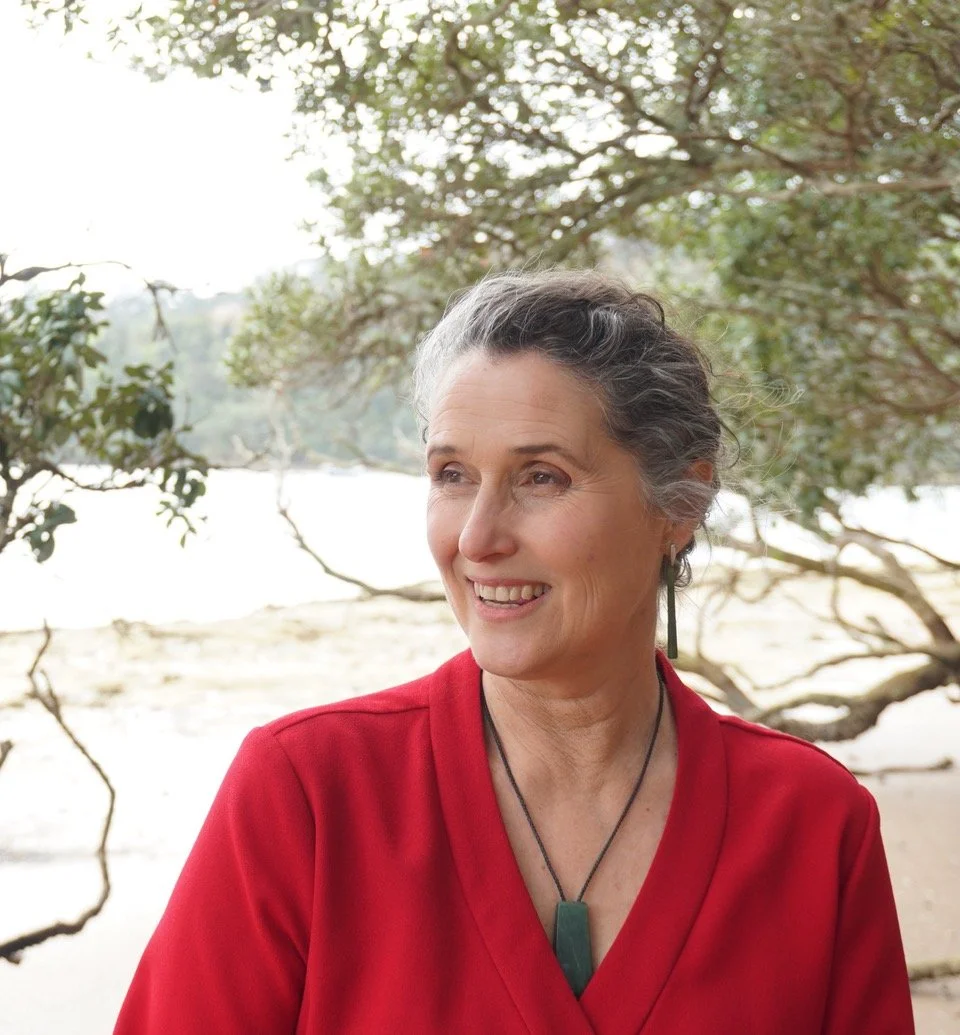
Architect at Charissa Snijders Architect, 2025 finalist for the Sustainable Business Network (SBN) Next List - Transformational Leadership.
Designing with Māori and Pacific Values
How can Māori and Pacific knowledge shape the future of housing and design? Explore approaches to creating places where people, cultures and communities can thrive.
The places we build shape far more than our physical surroundings. They influence identity, belonging, wellbeing and the resilience of communities for generations to come.
Join Dr Karamia Müller of Waipapa Taumata Rau, University of Auckland, as she explores how Māori and Pacific knowledge and values can help shape the future of architecture, housing and the built environment in Aotearoa. Drawing on her internationally recognised research into Indigenous spatial concepts and community-led housing, Karamia will share how design informed by whakapapa, tikanga Māori and Pacific knowledge systems can create places that strengthen connections between people, culture and te taiao.
Dr Karamia Müller is a Mana Tūāpapa Future Leader Fellow and Co-Director of MĀPIHI Māori and Pacific Housing Research Centre at Waipapa Taumata Rau, University of Auckland. In this session, she explores how Māori and Pacific knowledge and values can help shape the future of architecture, housing and the built environment in Aotearoa.
YOUR SPEAKERS
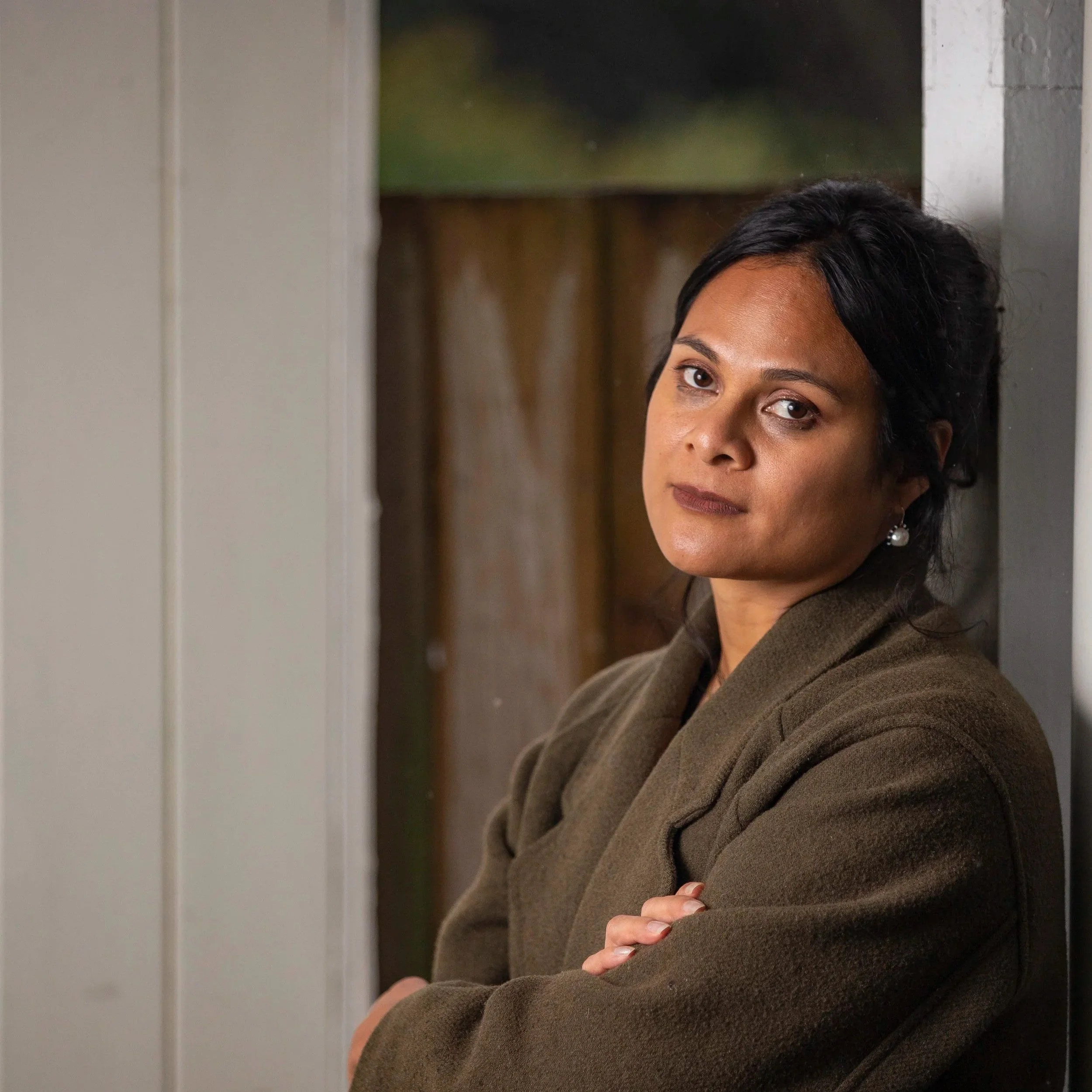
Mana Tūāpapa Future Leader Fellow and Co-Director of MĀPIHI Māori and Pacific Housing Research Centre at Waipapa Taumata Rau, University of Auckland.
Leading with Purpose
Values shape every decision. Discover how long term thinking, leadership and sustainability are creating buildings, businesses and communities that endure.
For more than 85 years, Breen Construction has believed that how you build is just as important as what you build. Guided by the values of continuity, contribution, integrity, safety and wellbeing, and family, the company is demonstrating how leadership and long term thinking can shape both business success and positive environmental outcomes.
In this session, Lindsay Breen shares the leadership philosophy behind the company's sustainability journey, including the decision to invest in a high performance passive office in Wānaka and the practical initiatives transforming the business. From reducing construction waste and improving recycling to electrifying its fleet, measuring carbon emissions and embedding sustainability into everyday operations, Breen is showing that meaningful change begins with values, not compliance.
This session explores how purpose driven leadership can influence culture, decision making and the built environment, creating lasting value for people, communities and future generations.
YOUR SPEAKERS
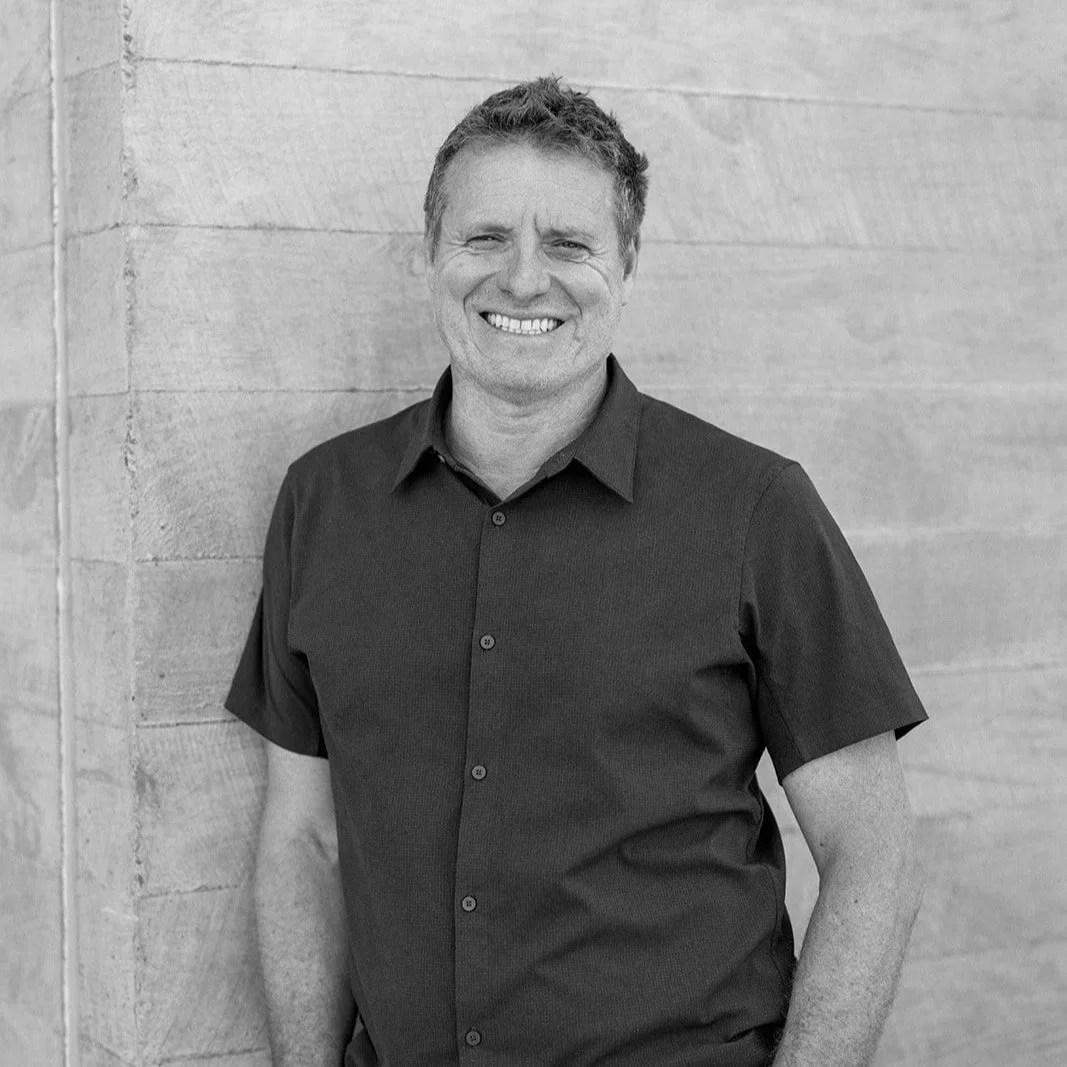
Director & Managing Director, Breen Construction
Better Building Panel
We'll finish the morning by bringing speakers back together for an open panel discussion — drawing the threads of the morning into conversation, and opening the floor to questions from the room.
YOUR PANEL
General Manager of Wao and Programme Director for Wao Summit
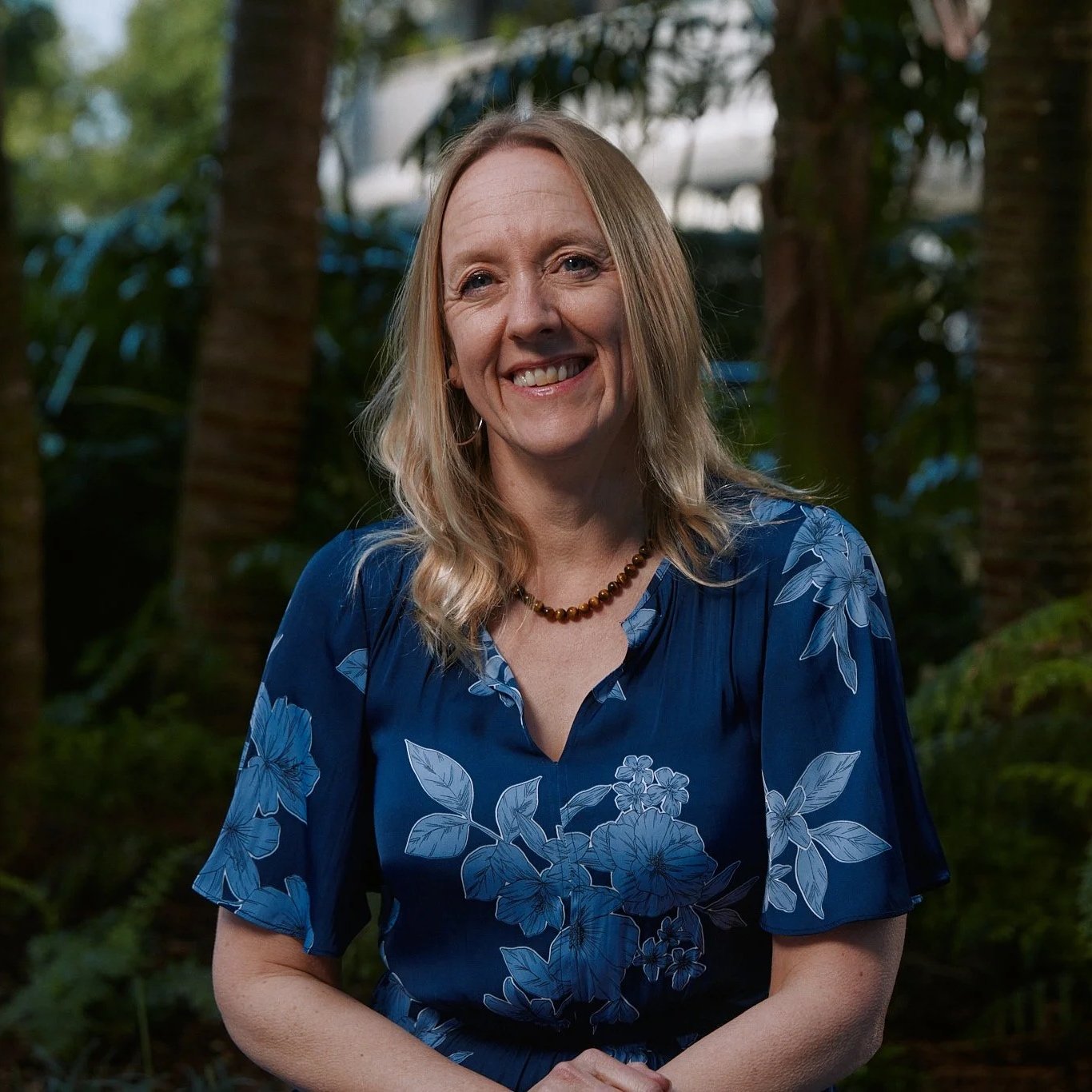
Co-Director, Environmental Innovation Centre & Associate Professor, Auckland University of Technology, Chartered Chemist, Chartered Environmentalist, Fellow RSC
Nature & Climate Change Specialist
Architect at Charissa Snijders Architect, 2025 finalist for the Sustainable Business Network (SBN) Next List - Transformational Leadership.
Senior Lecturer specialising in indigenous spatial concepts at Waipapa Taumata Rau University of Auckland
Director & Managing Director, Breen Construction
Better Building Networking Lunch
Keep the conversations going over a Dripping Bowl catered lunch. Refuel for the afternoon tour.
The Dripping Bowl is our local and highly-rated, health-focused eatery , renowned for its 100% whole-food, organic menu. Their signature offerings include nourishing Buddha bowls, vibrant smoothies and cold-pressed juices.
Better Building Tour
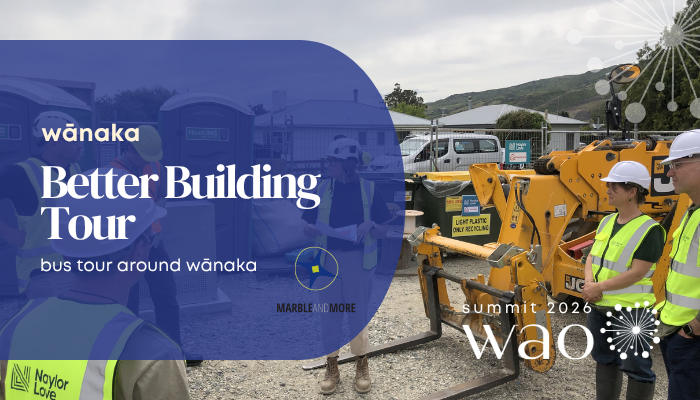
Step beyond Rippon Hall and experience Better Building in practice. Visit a diverse range of inspiring projects showcasing healthy materials, circular design, affordable housing, regenerative landscaping and water sensitive design. Meet the people behind the projects and discover practical ideas shaping healthier homes, resilient communities and a thriving future.
This tour will take place on buses leaving from Rippon Hall. Alternative transport arrangements can be made - email Olivia to discuss.
TOUR STOPS
Sustainable by Design
Step inside a building made from entirely with non-toxic materials — wood, wool, cork, and natural stone — and hear how this build set out to create a new standard for eco-conscious construction, creating a healthier living environment inside and out.
A ventilated stone roof offers superior durability over traditional roofing, with a significantly longer lifespan and zero maintenance required. Combined with the structure's high thermal mass, the building naturally regulates indoor temperature, minimizing heat loss and dramatically improving energy efficiency year-round.
Powered by solar energy, the building further reduces its environmental footprint, while the wooden structural frame actively captures and stores carbon — turning the building itself into a carbon sink rather than a carbon source.
Together, these features deliver a home that's healthier, more durable, and genuinely regenerative for the planet.
YOUR SPEAKERS
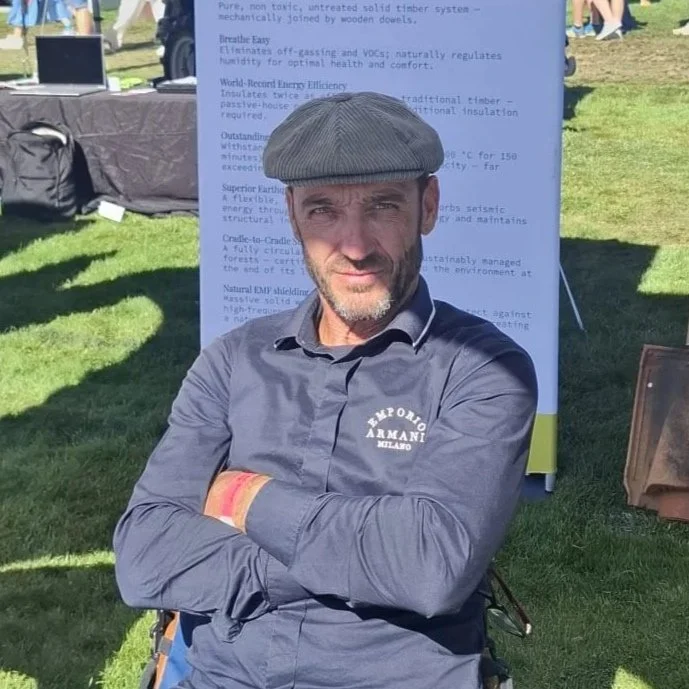
Entrepreneur and founder of Marble and More Ltd.
Water, Landscape and Catchment-Style Thinking
Water doesn't stop at a property boundary. What happens on one site inevitably affects the catchments, waterways and communities downstream.
This stop explores how working with natural water systems can create healthier landscapes, cleaner waterways and more resilient neighbourhoods. Beginning at Bremner Bay, WAI Wānaka will share why catchment thinking is essential for protecting freshwater and building resilience in a changing climate.
From there, visit Kirimoko with Reset Urban Design to see how swales, raingardens and infiltration basins are being used to slow, store and filter stormwater while enhancing biodiversity and creating more liveable public spaces. These nature based solutions demonstrate how thoughtful design can reduce flood risk, improve water quality and work with the landscape rather than against it.
This stop challenges us to rethink how we design our built environment, seeing every site as part of a larger living system and discovering practical ways to build with water, nature and resilience in mind.
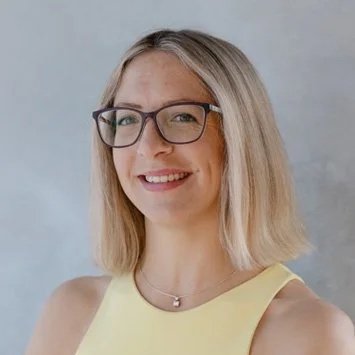
Landscape architect, Reset Urban Design
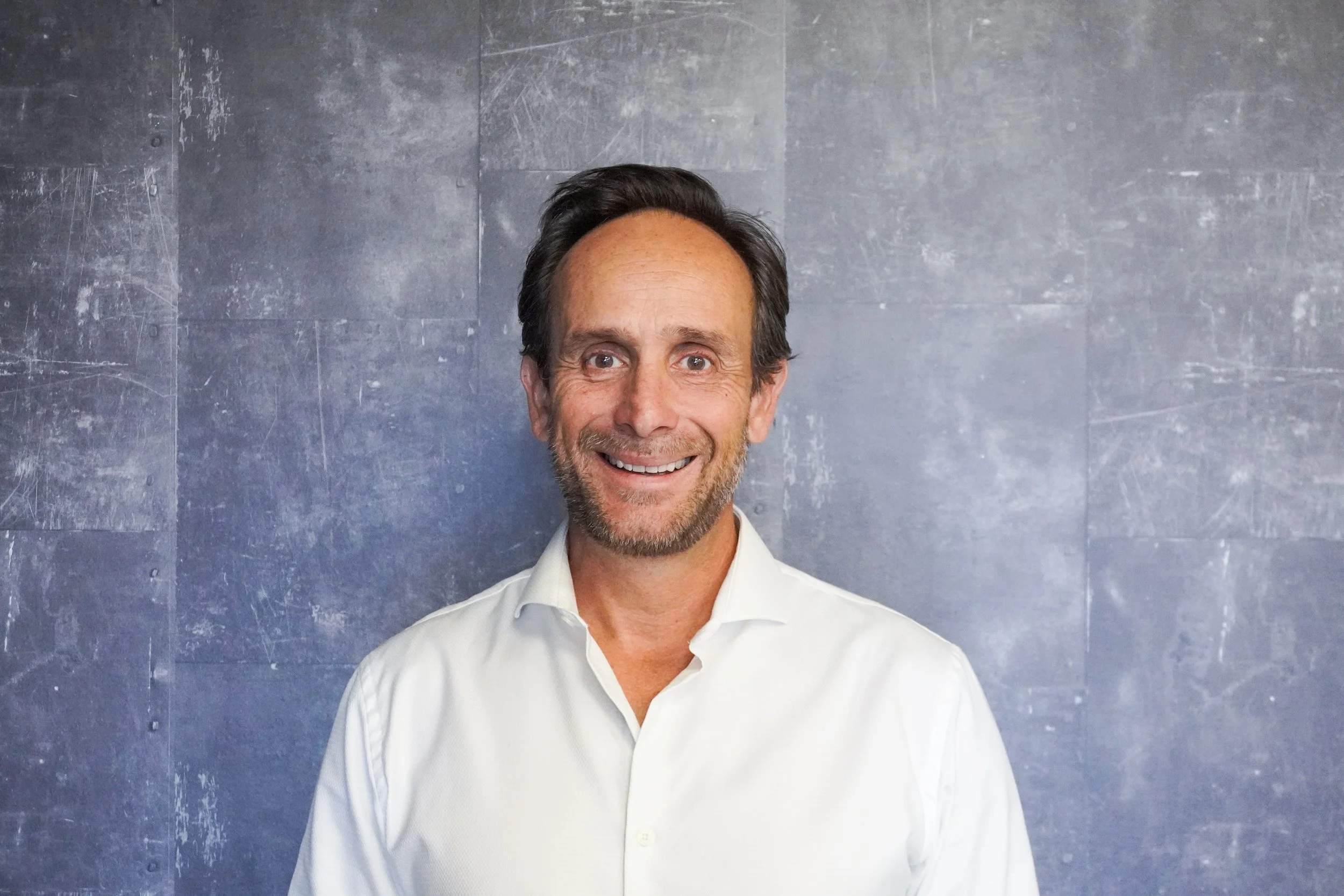
Engineer & General Manager, Woods
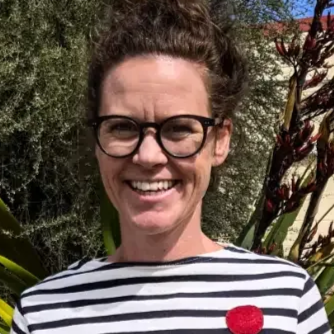
Urban Lead, WAI Wānaka
Community Action Programme Lead, WAI Wānaka
Queenstown Lakes Community Housing Trust
Affordable housing usually gets measured at a single point — the purchase price. But affordability that doesn't last, in a home that's expensive to run, heat or maintain, isn't really affordability at all.
The Queenstown Lakes Community Housing Trust holds land for the community in perpetuity through its Community Land Trust model, creating stepping stones for people to get ahead — homes affordable not just to rent or buy, but to run and maintain, designed for both current and future climate. At this stop, hear about the sustainability features built into the Trust's homes, and the "rethink and reduce" thinking behind it: the best waste minimisation strategy is the material designed out before anyone has to calculate the quantity, and the best form of energy is the energy never needed.
YOUR SPEAKER
Sustainability & Design Manager for Queenstown Lakes Community Housing Trust
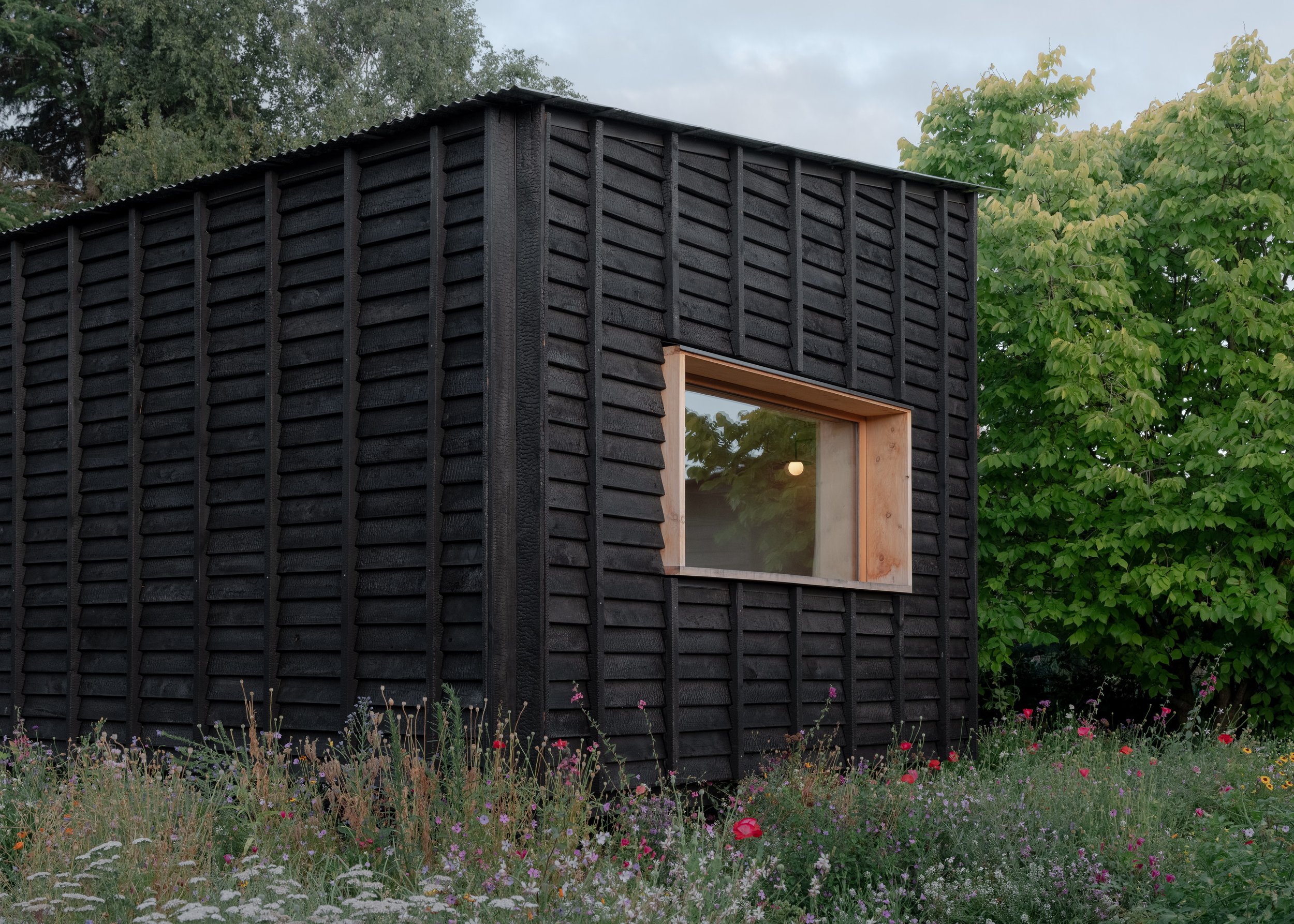
Yakisugi StrawSIPs Cabin
Built from salvaged windows and doors, reclaimed materials, and macrocarpa timber milled from trees grown on Charlotte's family farm in Southland, Charlotte Muschamp of Alki combines traditional craftsmanship with contemporary building science. Charlotte designed the cabin and worked alongside partner Stefan Warnaar throughout its construction, with Stefan leading the build while developing and fabricating the modular StrawSIP building system that forms the cabin's high-performance envelope.
Beyond the building itself, the project embraces regenerative thinking — returning rainwater to the soil, using greywater to nourish productive gardens, repurposing construction offcuts, and choosing natural, untreated materials that celebrate craftsmanship and age gracefully over time. The result is a home that demonstrates how architecture can tread lightly on the planet while enriching everyday life.
Joining Charlotte and Stefan at this stop is Charissa Snijders, architect and advocate for regenerative design creating places that restore the land, contribute positively to climate, and strengthen the communities they serve.
YOUR SPEAKERS
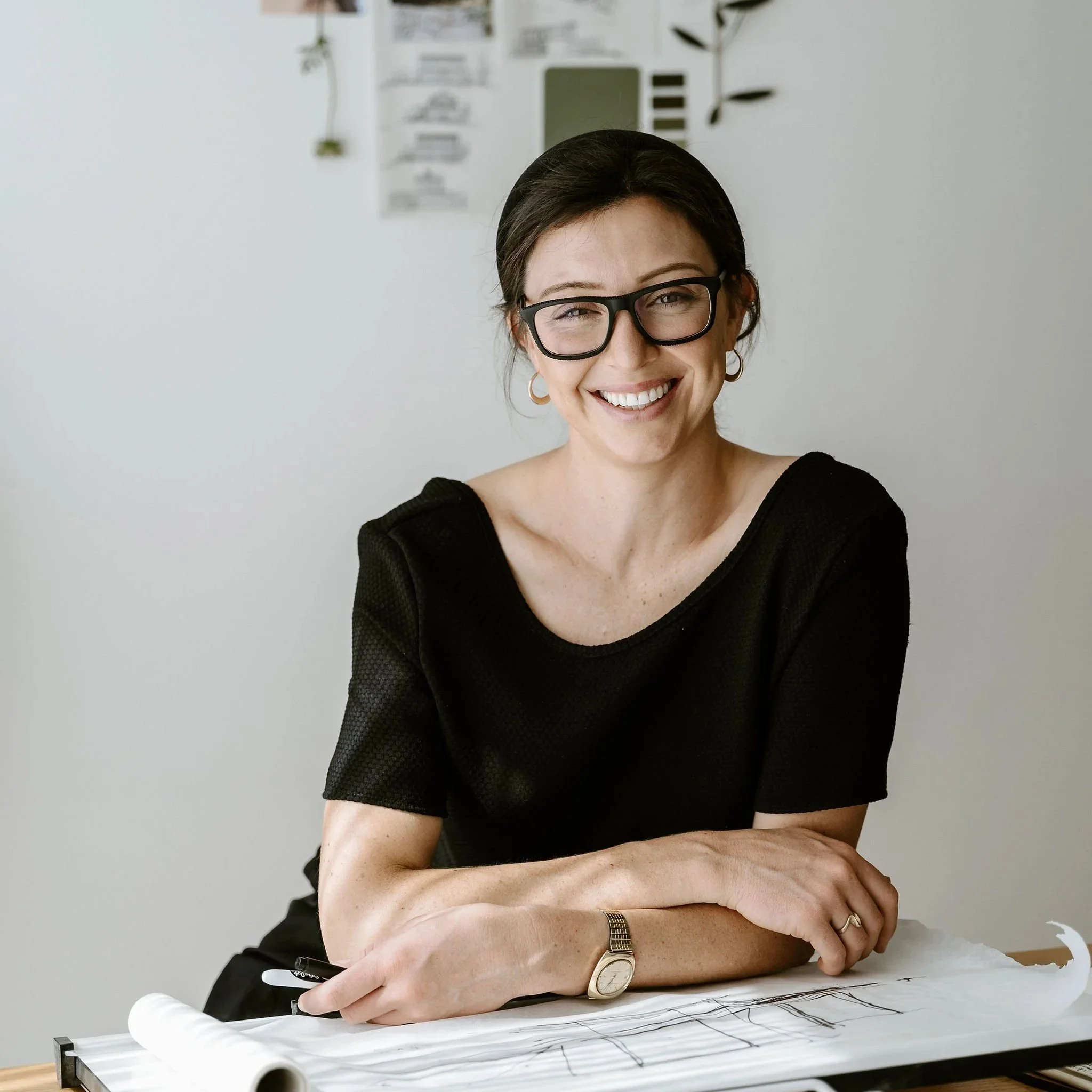
Founder and principal designer of architecture studio Alki, Yakisugi StrawSIPs Cabin designer
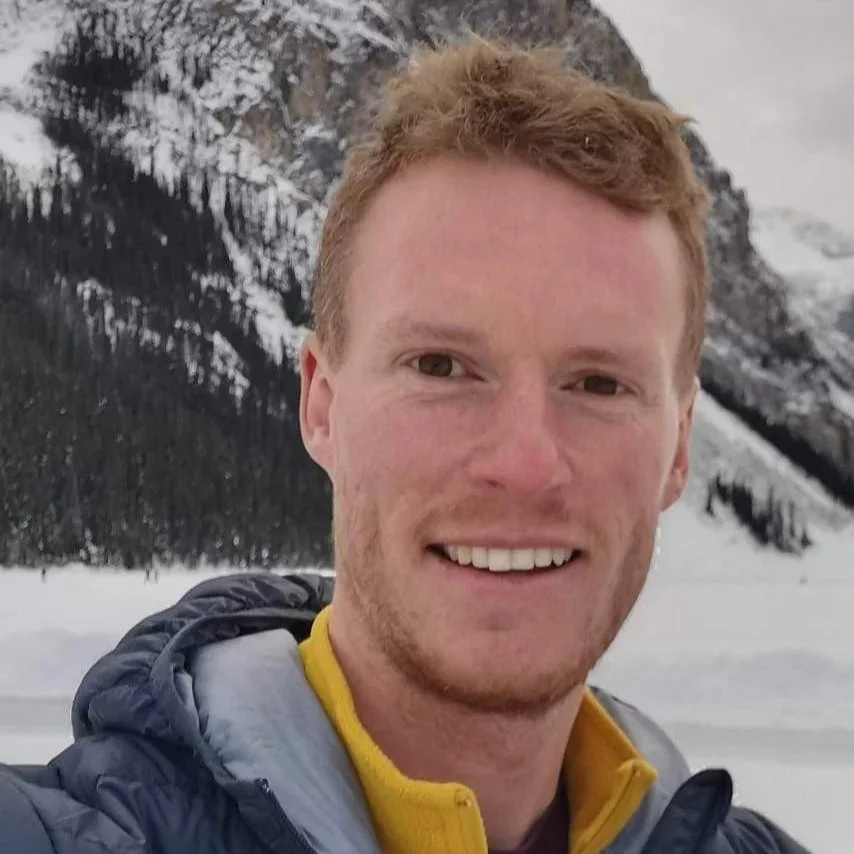
Chemical Engineer and StrawSIPs practitioner
Architect at Charissa Snijders Architect, 2025 finalist for the Sustainable Business Network (SBN) Next List - Transformational Leadership.
Better Building Brekkie at Queenstown Airport
This event it brought to you by Queenstown Airport Corporation
Discover how circular economy principles are being applied to a major infrastructure project and explore practical ways to reduce waste through better design and construction.
What does it take to embed circular thinking into one of the region's largest infrastructure programmes?
Join us at Queenstown Airport's Provenance Café at 7.30am for a Better Building Brekkie and hear from the team behind Queenstown Airport’s capital works programme about circularity and better waste management.
Queenstown Airport will also discuss how broader sustainable design principles are being factored into the design and delivery of the Airport's capital works programme.
This is a free event thanks to our Better Building Sponsor Queenstown Airport Corporation
CPD points for NZIA members:
NZIA-registered ticket holders are eligible for 10 CPD points for attending this event. Check out the FAQ page for more information.
LBP points can also be claimed for attending.
Food Resilience Day: Tour
How do we build a food system that can nourish people and the planet for generations to come? Explore food resilience through the lenses of whenua, community, tourism, education, growing, energy and circularity.
Our tour starts by bus from Frankton into Queenstown and aboard the historic steamship TSS Earnslaw to Walter Peak High Country Farm, visiting inspiring local initiatives, meeting the people driving change and discovering practical ideas for creating thriving, locally connected food systems.
Read more about the day in this blog post by Babu Blatt, Food Resilience Programme Manager at Wao.
We encourage Wānaka participants to carpool to Frankton.
DAY PROGRAMME
Friday 30 October 2026
8:15AM: Transport by coach and boat: Frankton to Queenstown Wharf, then onwards to Walter Peak onboard the TSS Earnslaw. Workshops held in the Walter Peak Woolshed.
9:45AM: Welcome by RealNZ: Discover how tourism and stewardship come together at Walter Peak to create lasting value for people, place and future generations.
10:00AM: Changing the Narrative: What does it mean to feed ourselves from the whenua? Explore food resilience through mātauranga, seed saving, traditional growing practices, community knowledge and adaptation.
10:20AM: The Power of Partnership: Food resilience is built through partnerships. Discover how collaboration is strengthening food security and unlocking local solutions to feed our communities.
10:40AM: Morning Tea provided by Walter Peak
11:00AM: Agents of Change: Discover what enables communities and organisations to lead transformation across New Zealand's food and fibre production system, drawing on insights from the Agents of Change research.
11:15AM: Soil, Animal and Human Health: Discover how soil biology and integrated livestock can restore farm ecosystems, strengthen food quality and support the health of animals, people and planet.
11:30AM: Walter Peak kitchen garden visit, with Gardens Team Leader Finley Watkins
Transport by boat and coach: Walter Peak - Queenstown Wharf - Queenstown Primary School. Lunch will be served on the boat.
1:00PM: Future Food Citizens: What we teach children today shapes tomorrow's food system. Discover how hands-on food education is growing resilient, healthy and connected communities.
1:45PM: Harvesting Energy: Food and energy are deeply connected. Learn how on farm solar, agrivoltaics and biological energy systems can strengthen resilience and productivity.
Transport by coach: Queenstown Primary School to Harvest Community Garden
2:15PM: Cultivating Community: Growing food grows communities. Discover how commercial gardens, community initiatives and local food networks are strengthening resilience, connection and belonging.
Transport by coach: Harvest Community Garden (Gordon rd) to Waste to Wilderness - via Arthur's Point Orchard
3:30PM: Closing the Loop: What does a truly circular food system look like? Discover how nutrient cycling and composting can regenerate both soils and communities.
Transport by coach: Waste to Wilderness, back to Frankton.
4:30PM: Tour ends
Schedule subject to change, any updates will be communicated here and to ticket holders.
PASS OPTIONS
TOUR SESSIONS - CLICK ON A SESSION FOR FULL DETAILS

Welcome by RealNZ
Discover how tourism and stewardship come together at Walter Peak to create lasting value for people, place and future generations.
Walter Peak has welcomed visitors to the shores of Lake Whakatipu for generations, evolving from a traditional high country farm into one of New Zealand's most iconic visitor destinations.
In this session, the RealNZ team shares the story of Walter Peak and the values that guide the organisation's approach to conservation and tourism. This session will explore the opportunities and challenges of producing food and how food resilience fits within the wider visitor economy.
YOUR SPEAKERS
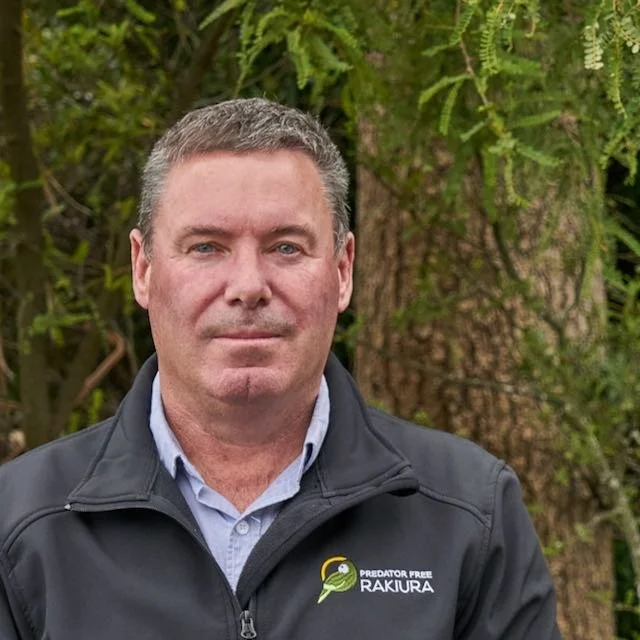
Paul Norris is Chief Conservation Officer at RealNZ, with 35 years’ tourism experience and extensive governance roles spanning conservation, tourism, land stewardship and destination management.
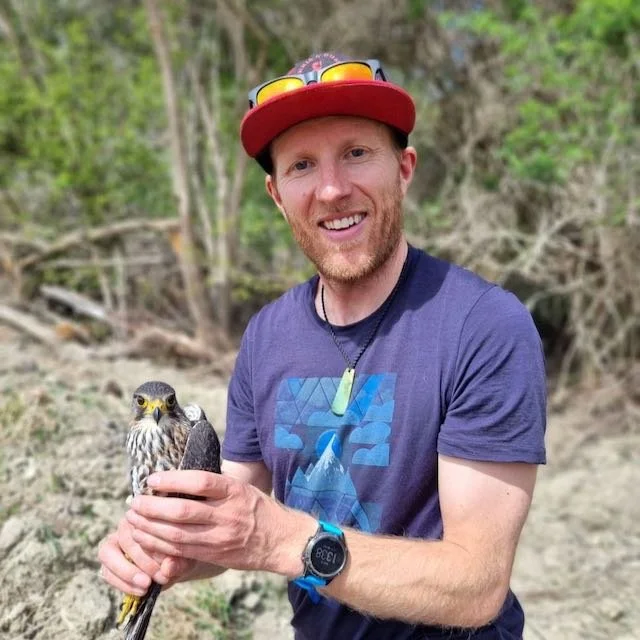
Ewan Mackie is Treble Cone Ski Area Manager and RealNZ Conservation & Sustainability Manager, and has 20 years’ experience in ski tourism and environmental conservation, leading trapping, planting and threatened species projects across the southern South Island.
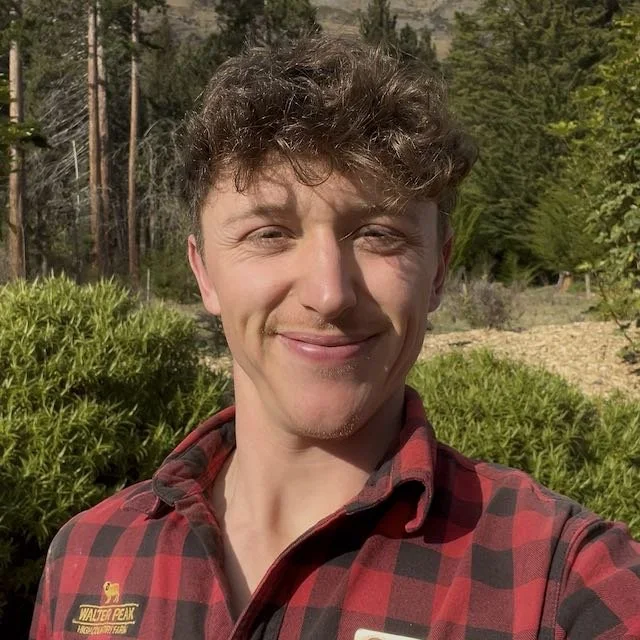
Finley Watkins leads Walter Peak’s gardens, native nursery and ecological restoration, championing sustainable growing and resilient landscapes that connect people with food, nature and place.
Changing the Narrative
What does it mean to feed ourselves from the whenua? Explore food resilience through mātauranga, seed saving, traditional growing practices, community knowledge and adaptation.
What does it take for a community to feed itself, especially when the climate is changing?
Join Dr Maria Barnes from Hokianga as she shares the story of He Kete Kai o Hokianga, a community food support network helping whānau strengthen their ability to grow, store and share food. Maria will explore why food resilience matters, particularly as more families return to the whenua to provide for themselves and reconnect with the knowledge and practices of their tūpuna.
Drawing on her work in seed saving and preserving taonga food varieties, Maria will share how traditional knowledge, natural growing practices and long-term food storage are helping strengthen local food systems. She will also reflect on the challenges and celebrations that have emerged along the way, and the importance of growing and sharing knowledge within the community.
Climate change is already shaping what is possible. Maria will share experiences from her family’s gardens in Whirinaki, including the impacts of drought and flooding and how growing practices have had to adapt in response.
As the leader of her local evacuation centre, Maria also brings a practical understanding of why food resilience matters when communities face disruption. This session offers a grounded and hopeful look at what communities can do to strengthen their food security, protect mātauranga and build resilience from the whenua up.
YOUR SPEAKER
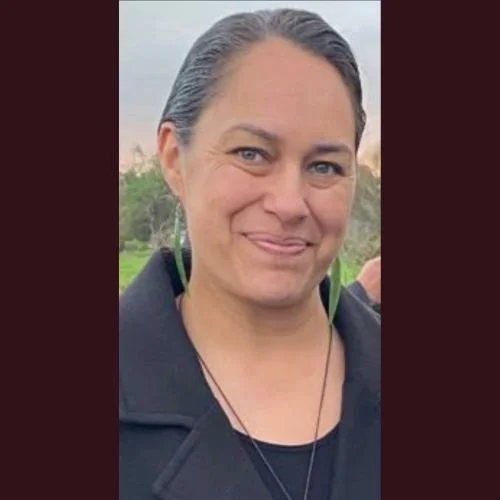
Dr Maria Barnes leads He Kete Kai o Hokianga project, supporting food resilience through seed saving, traditional foods, natural growing, climate adaptation and community knowledge.
Circularity Mythbusters: Greenwashing in Construction
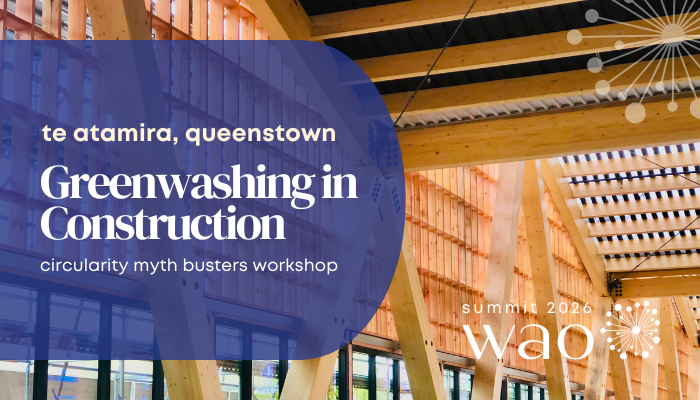
Greenwashing is easy to spot — right? A timber labelled "sustainably sourced," a product claiming "low embodied carbon," a self-issued green logo on the box… but what questions should we ask to spot the fakes?
In an industry with endless products, certifications and claims, it can be difficult to know what the right choice is, and how it stacks up against something else.
This circularity myth busters workshop with Terri-Ann Berry, Environmental Innovation Centre, explores the common myths around sustainability claims in products, suppliers, and certifications. Learn how to look beyond the label to understand a product's full life cycle: where it comes from, what it's made of, and what happens to it at end of its life — so you can make more informed choices in your projects.
What to expect:
Real New Zealand examples
A group activity and discussion
Practical guidance on what to ask suppliers and subbies
Who it's for:
Architects, designers, builders, councils, and anyone interested in practical circular solutions. No prior or specialist knowledge is required, and all materials will be provided.
Cost: $25.00
CPD points for NZIA members:
NZIA-registered ticket holders are eligible for 15 CPD points for attending this event. Check out the FAQ page for more information.
LBP points can also be claimed for attending.
YOUR SPEAKERS
Co-Director, Environmental Innovation Centre & Associate Professor, Auckland University of Technology, Chartered Chemist, Chartered Environmentalist, Fellow RSC
The Power of Partnership
Food resilience is built through partnerships. Discover how collaboration is strengthening food security and unlocking local solutions to feed our communities.
No single organisation can build a resilient food system alone. Food security depends on strong partnerships, shared purpose and communities working together to ensure everyone has access to healthy, nourishing food.
This session brings together two of our local leaders to explore how collaboration is strengthening food resilience in the Queenstown Lakes region. From rescuing surplus food and supporting whānau through community networks to exploring the potential of locally sourced wild protein, Michael and Gary will highlight the diverse partnerships helping create a more secure and resilient food future.
YOUR SPEAKERS
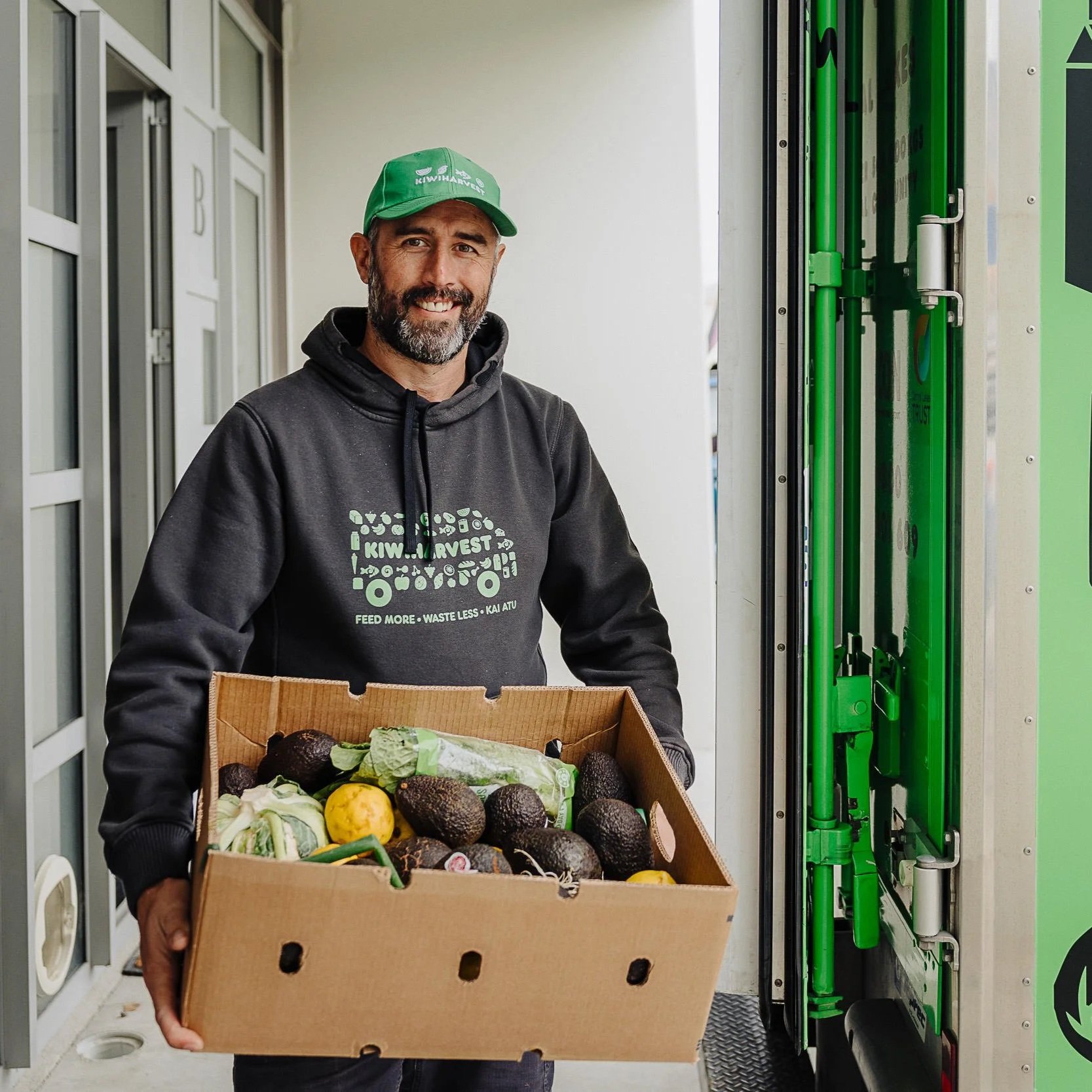
Branch Manager at KiwiHarvest Queenstown
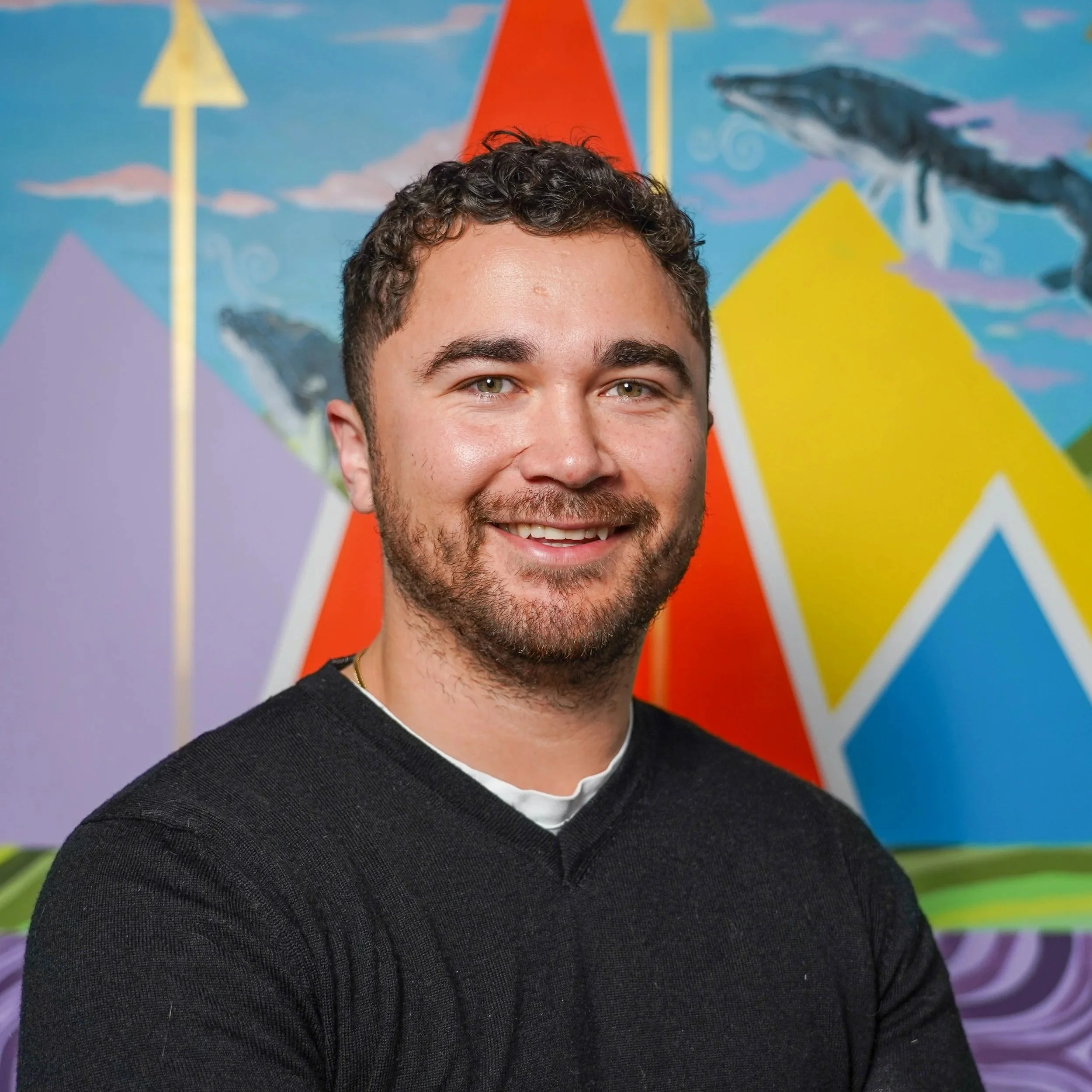
Tumu Whakarae, Chief Executive Officer at Mana Tāhuna Charitable Trust
Agents of Change
Discover what enables communities and organisations to lead transformation across New Zealand's food and fibre production system, drawing on insights from the Agents of Change research.
Transforming Aotearoa's food and fibre system requires more than new technologies or better policies. It depends on people, relationships and the conditions that enable meaningful change.
In this session, Dr Melissa Robson-Williams from Bioeconomy Science Institute explains how individuals, businesses and communities are taking transformative action through the lens of systems science.
Whether you work in food production, business, government or community development, this session offers valuable insights into how change happens and what it will take to build a resilient food system for future generations.
YOUR SPEAKER
Senior Researcher Manaaki Whenua Landcare Research, PhD in Organic Agriculture (Plant and Soil Science), MSc in integrated Water Management and Advanced Irrigation, BSc Hons in Tropical Environmental Science.
Soil, Animal and Human Health
Discover how soil biology and integrated livestock can restore farm ecosystems, strengthen food quality and support the health of animals, people and planet.
Healthy food begins with living soil. At Tinwald Farm, Amanda Currie and the farming team are exploring how restoring diverse microbial communities can improve the health and resilience of the entire farm system.
Amanda will share Tinwald Farm’s transition from conventional practices towards a biological approach centred on soil life. Using microscopy, the team observes the microorganisms beneath their feet, breeds beneficial microbes and returns them to the land while carefully monitoring what works and what does not. Healthy soils can retain and purify water, reduce erosion, make nutrients more available and reduce reliance on synthetic fertilisers and pesticides.
Amanda connects the health of soil, plants, animals and people, inviting us to reconsider where human health truly begins.
YOUR SPEAKER
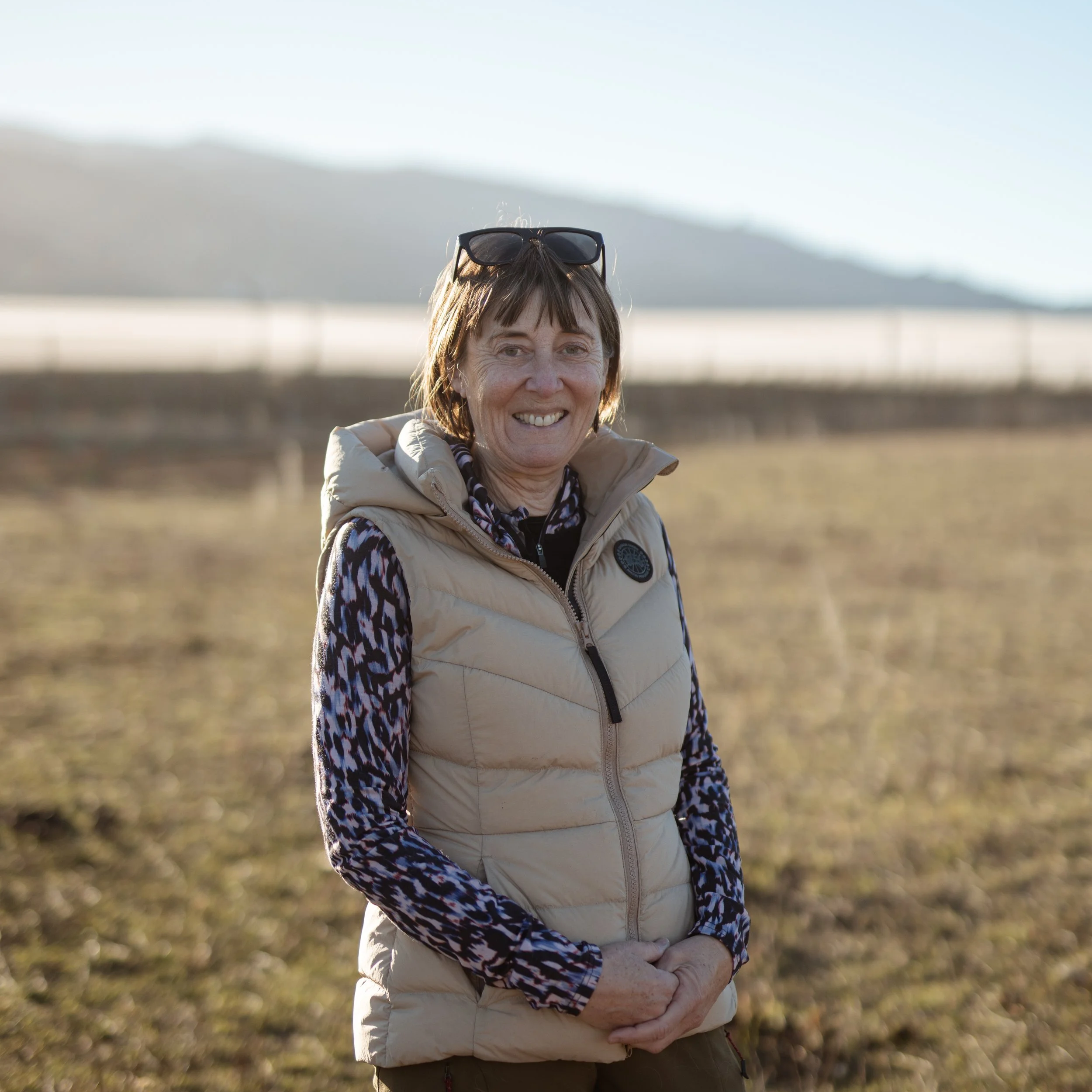
Regenerative farmer Amanda Currie explores how farming can build healthy soils, ecosystems and food.
Future Food Citizens
What we teach children today shapes tomorrow's food system. Discover how hands-on food education is growing resilient, healthy and connected communities.
Students from Queenstown Primary School, alongside their teacher Susan McIntyre, Nicky Gray from Enviroschools, Skye Macfarlane, Southern Regional Coordinator for Garden to Table, and Julia Blackford, share the impact the Garden to Table programme has had on the students and why food education is about far more than growing vegetables.
Through hands on experiences in the garden and kitchen, students learn where food comes from, how healthy ecosystems support healthy communities, and the value of working together. These practical skills build confidence, curiosity and a lifelong connection to food, nature and each other.
As Aotearoa faces increasing pressures on food systems, climate and community wellbeing, programmes like Garden to Table play a vital role in preparing tamariki and rangatahi to become informed food citizens and future leaders.
This inspiring session reminds us that growing resilient communities starts with growing capable, connected young people who understand both the privilege and responsibility of feeding themselves, their whānau and the generations that follow.
YOUR SPEAKERS
Southern Regional Coordinator, Garden to Table; co-founder and grower, Vern Paddock Project; Head of Naturopathy & Formulation, Wild Dispensary; naturopath, medical herbalist and nutritionist.
Queenstown Enviroschools Facilitator
Senior school Teacher / Teacher in Charge of Enviroschools QPS and Garden to Table
Wao Food Resilience Expert Adviser / Food Scientist / Volunteer at QPS Garden to Table
Harvesting Energy
Food and energy are deeply connected. Learn how on farm solar, agrivoltaics and biological energy systems can strengthen resilience and productivity.
A resilient food system depends on more than healthy soils and productive farms. It also depends on reliable, affordable and locally generated energy.
In this session, Tim Crownshaw from EECA provides a practical overview of the Solar on Farms programme and the growing opportunities for integrating renewable energy into food production. From agrivoltaics, where solar generation and agriculture work together, to emerging opportunities such as biochar and biogas through anaerobic digestion, Tim will explore the potential for on farm energy generation and use.
YOUR SPEAKER
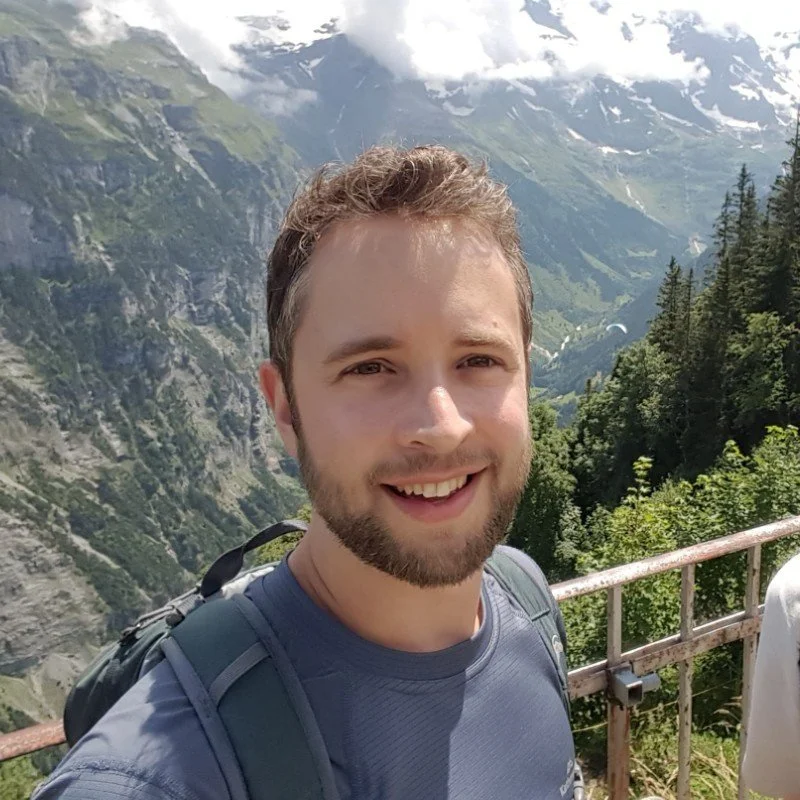
Doctor of Philosophy, Renewable Resource, Master of Energy, Senior Advisor, EECA
Cultivating Community
Growing food grows communities. Discover how commercial gardens, community initiatives and local food networks are strengthening resilience, connection and belonging.
Growing food is about far more than producing vegetables. It creates opportunities for people to connect with each other, the land and the seasons while strengthening local resilience.
Join Theo Richard, Head Gardener at the award-winning Sherwood restaurant and a driving force behind the Queenstown Harvest Community Gardens, alongside Babu Blatt, facilitator of the Southern Lakes Kai Collective, as they explore the many ways local growing contributes to thriving communities.
Theo will share his experience of commercial and community gardening, demonstrating how local food production can nourish people while fostering stewardship, learning and connection.
Babu will highlight the wider ecosystem of initiatives supporting food resilience across the region, including community education programmes, the Southern Lakes Food Growing Blog, the regional food event calendar, and initiatives such as Kai Commons and Kai Connect, which are helping people grow, share and access local food.
Together, they demonstrate that resilient food systems are built not only by growing food, but by growing knowledge, relationships and communities.
YOUR SPEAKERS
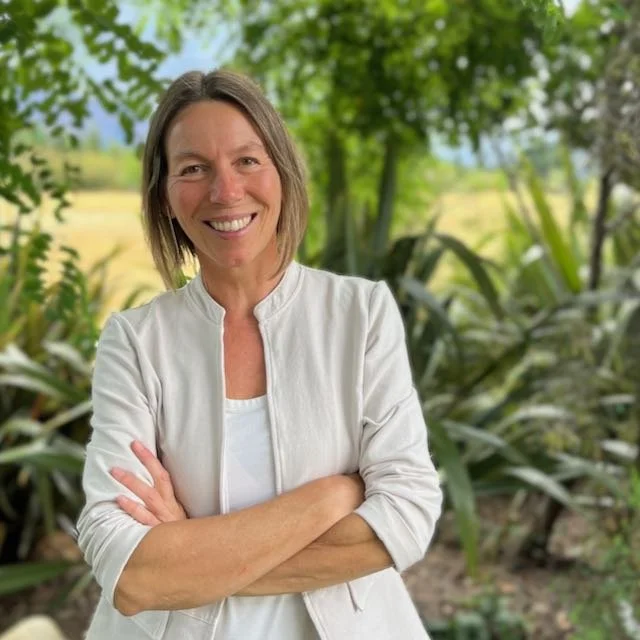
Programme Manager Wao Aotearoa Food Resilience, and Southern Lakes Kai Collective facilitator.
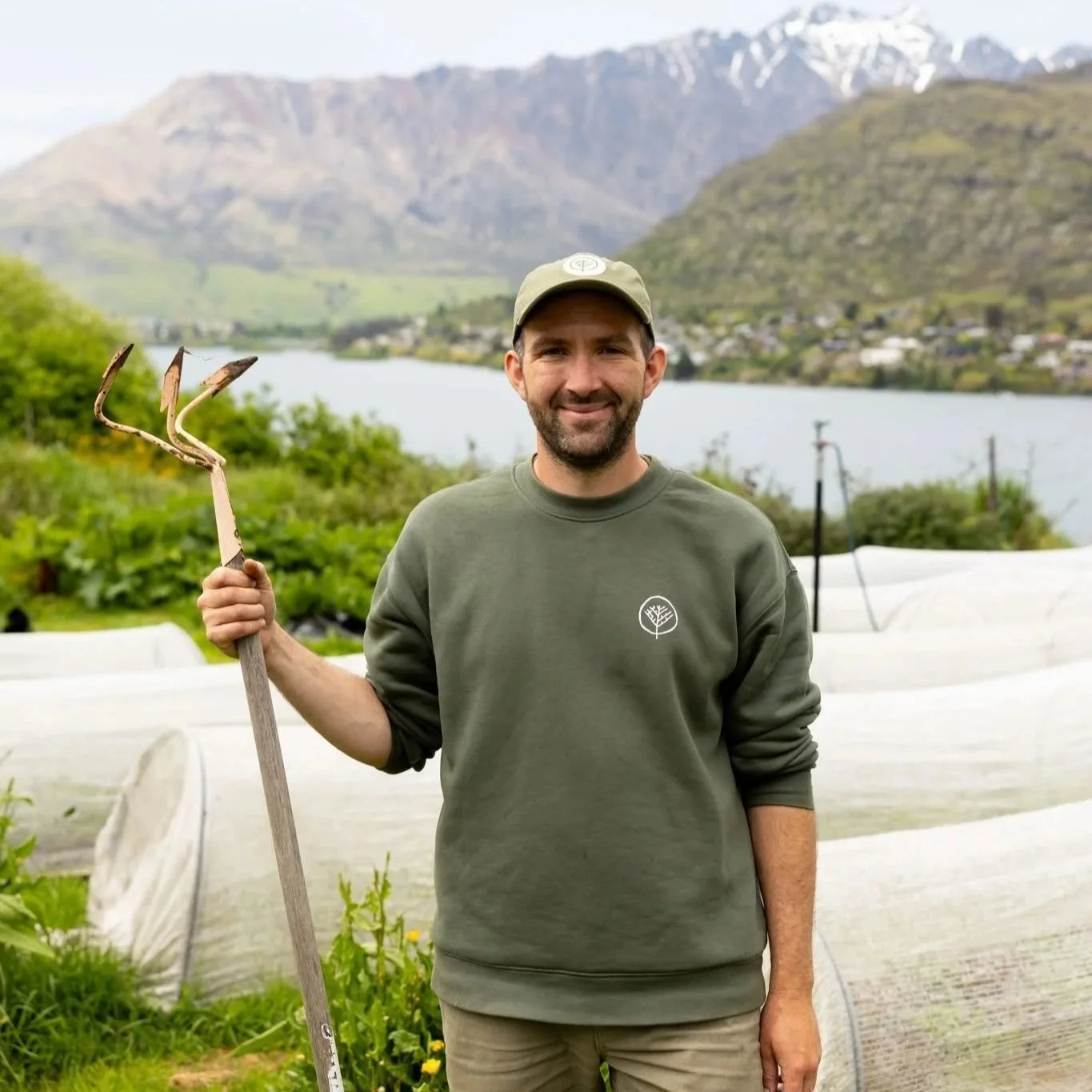
Engineer, sustainability practitioner and organic gardener at the Sherwood, championing low-tech solutions, food resilience, community gardens and regenerative growing.
Closing the Loop
What does a truly circular food system look like? Discover how nutrient cycling and composting can regenerate both soils and communities.
A resilient food system doesn't end when food leaves the plate. It considers every stage of the cycle, from production and consumption to the nutrients that return to the soil.
Through Waste to Wilderness, his organic waste transformation business, Michael Sly explores how organic waste can become a valuable resource rather than something to be discarded. He examines the role of composting, nutrient cycling and circular food systems in reducing waste, improving soil health and strengthening local resilience.
By understanding the biological cycles that underpin food production, we can make better decisions about how food is grown, consumed and how nutrients are returned to the land.
This final stop brings the Food Resilience Tour full circle, demonstrating that healthy food systems are those where nothing of value is wasted and everything has the opportunity to nourish life again.
YOUR SPEAKERS
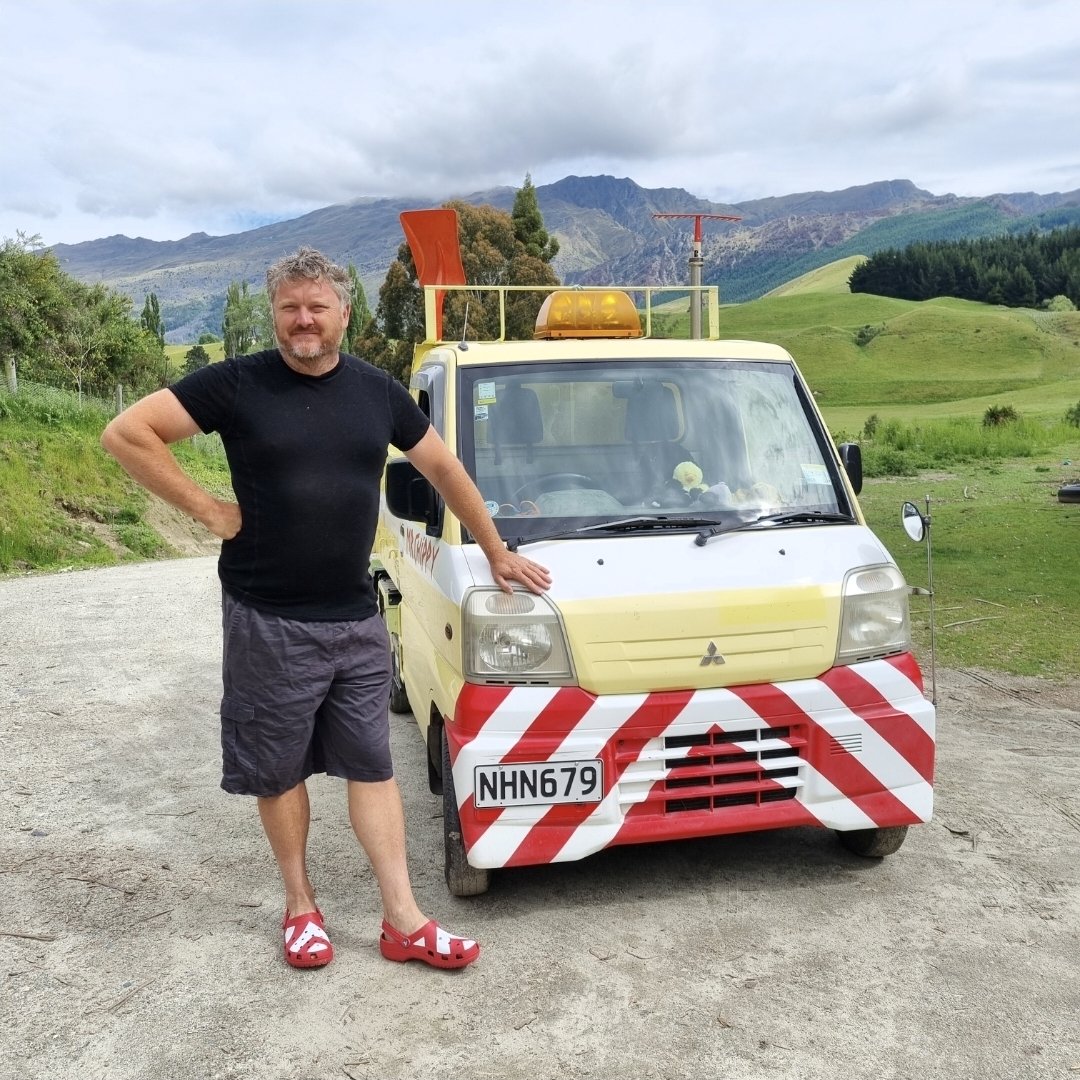
Innovator and Entrepreneur, Michael Sly is the founder of Waste to Wilderness, a regenerative waste initiative transforming food scraps from the hospitality sector into valuable compost and healthy soils.
Inside Namaste Park: A Regenerative Garden Tour
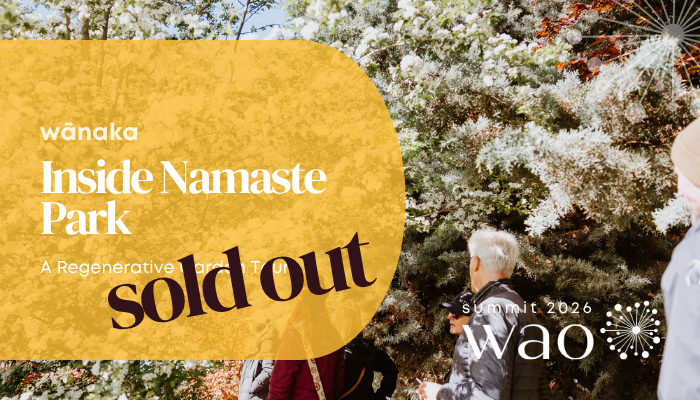
This event is now sold out, but you can still join the waitlist via Humanitix. We’ll let you know if any spots become available.
Explore Florence Micoud’s guided tour of a 2.5 hectare regenerative property, discovering land restoration, an arboretum, food production, natural fertilisation and ornamental gardens.
Join Florence Micoud for a guided tour of her 2.5 hectare property, thoughtfully developed over 20 years in harmony with nature. Explore inspiring examples of land regeneration, a remarkable arboretum, productive food gardens, natural fertilisation systems and beautiful ornamental plantings, while discovering how these elements work together to create a thriving landscape.
Address provided upon booking. Registration is essential. Maximum 12 participants. Cost: $20 per person (adults and children). Children are welcome and must be supervised by an accompanying adult and remain with the group at all times for health and safety reasons.
Cost: $20.00 or included in your Unlimited Festival Pass
YOUR GUIDE
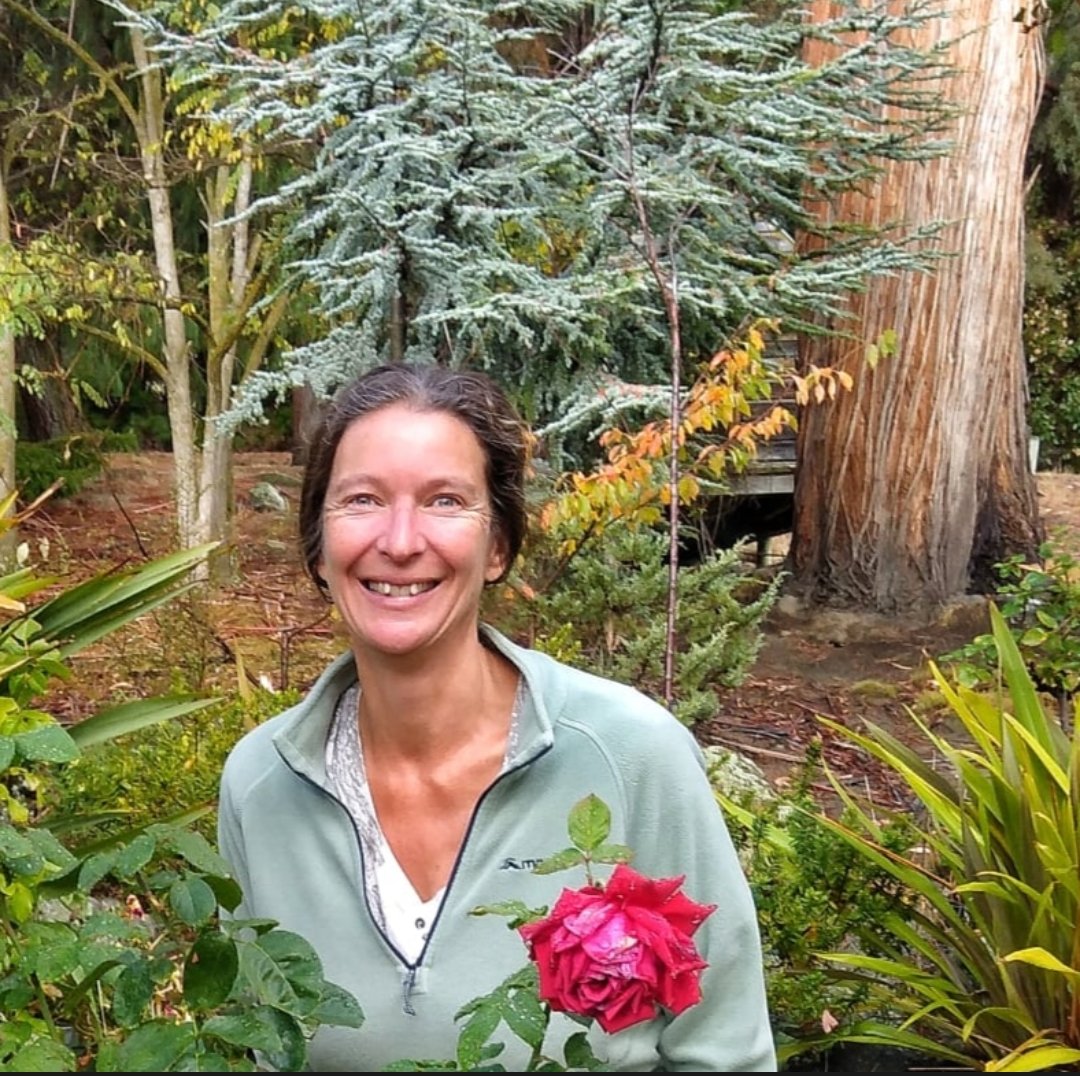
Florence Micoud
Regenerative Garden Expert

Wao Summit Film Night; Rachel’s Farm
Actor and filmmaker Rachel Ward turns the camera on her own Australian cattle farm as she begins a deeply personal journey into regenerative agriculture, soil, biodiversity and a different way of producing food.
Optimise, The Business Sustainability AI Agent MVP Webinar
Join WAO and 'Mr. G (Galeno Chua), Founder of the Idea Consultancy, for an interactive webinar where we introduce Optimise, the Business Sustainability AI Agent designed to help purpose-led businesses influence change from the inside out.

Community Walking Tour, Queenstown
Step into the future with this immersive walking tour exploring how local people and projects are shaping a thriving, equitable, and regenerative community in Queenstown.

Film Night: ACTionism & Think Like A Forest
A double screening of two powerful climate films, followed by a kōrero with the filmmakers and lead participants, exploring action, regeneration, and connection in the face of crisis.
Showing documentaries ACTionism and Think Like a Forest.

Slow the Flow - A Floodplain for the Future
Can we undo decades of damage by working with nature instead of against it? Discover how Environment Southland is reimagining floodplain management to restore balance, reduce risk, and protect precious waterways.

Zine for Change: Crafting Climate Action
Create a climate action zine using collage and creativity. Explore local issues, express your vision and leave inspired to spark change. All ages welcome.

Climate Club’s Ripple Workshop: Understanding Climate & Imagining Our Future
This workshop is about taking a step back and understanding the causes and consequences of climate change. It brings people together through an interactive format that encourages people to creatively arrive at solutions to the climate crisis together.

Community Walking Tour, Wānaka
Step into the future with this immersive walking tour exploring how local people and projects are shaping a thriving, equitable, and regenerative community, one step at a time.
Better Communities Weekend
Explore what it means to create regenerative, connected, and resilient communities. This day features a self-guided walking tour, a hands-on climate workshop, a session on working with nature to manage water and reduce risk, among others. Wrap up the day with an inspiring community film night on regeneration and action. A powerful day for anyone who cares about the future we’re building, together.
Feeding the Future
A thought-provoking panel exploring local to global strategies for food resilience, based on the Southern Lakes Kai Collective’s new roadmap for sustainable food futures.
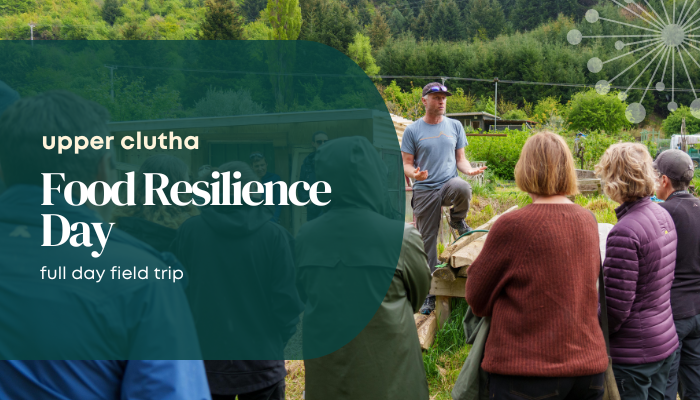
Food Resilience Day
Hop on the Food Resilience Tour Bus for a full-day journey through three inspiring local initiatives strengthening food resilience in the Upper Clutha.
Better Building Brekkie
Join us at the Queenstown Airport, Provenance Café for a free Better Builders Brekkie! We’ll hear from the Queenstown airport on some sustainability plans they have moving forward and from QLDC on what’s happening throughout the district in terms of reducing construction waste.
Business Carbon Footprint & Certification Workshop with Ekos Kāmahi - Queenstown
How can your organisation take real, measurable steps toward climate accountability? In this practical and interactive workshop, Ekos Kāmahi will guide businesses through the process of understanding, measuring, and certifying carbon footprints. You’ll learn how to move beyond good intentions and into credible action, with tools and insights that make carbon reporting both accessible and meaningful.
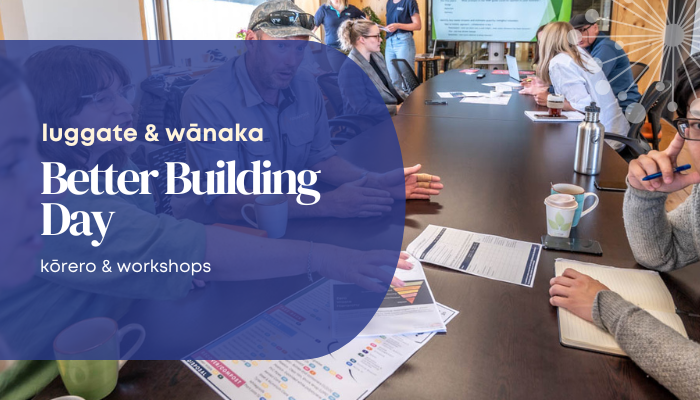
Better Building Day
Better Building Day at the Wao Summit is the South Island’s premier event for builders, architects, and industry professionals, showcasing the latest in sustainable construction and design.

Your Climate Wake-Up Call
The challenges are real—but so is the opportunity. Join leading experts to explore how we can reignite momentum, embed long-term thinking, and centre climate action in every part of life.
Understanding Biodiversity Credits with Ekos Kāmahi
What if regenerating nature was also good for business? Discover how biodiversity credits are creating a bold new future where enterprise and ecosystems grow together. With Sanctuary Mountain Maungatautari and Ekos Kāmahi Ltd.

Making Sense of Sustainability
Cut through the noise. This interactive session unpacks what sustainability and ESG really mean in business—and how to turn them into tools for strategic advantage.

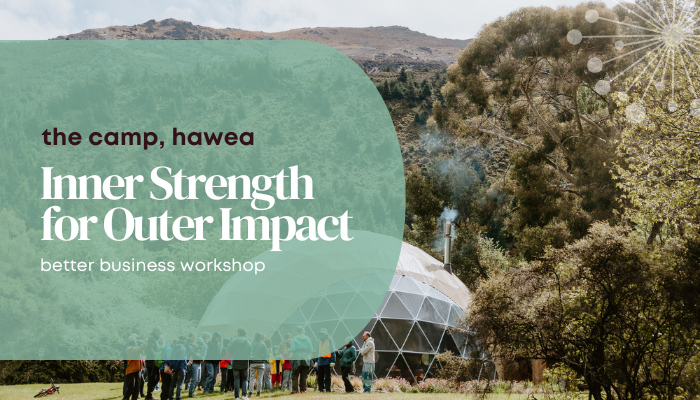

Better Business Day
Unlock a full day of inspiring, actionable sessions exploring how business can be a powerful force for environmental and social regeneration. From the emerging world of biodiversity credits and place-based conservation in the mountains, to emotionally intelligent leadership and future-ready sustainability strategy, you'll gain insights and tools to lead with impact. Whether you're in business, tourism, finance, or governance, this is your invitation to build better—together.

Journey to 2125
Equity at the Heart: Shaping a future for all as we look toward a thriving and regenerative future in 2125, one question sits at the core: how do we ensure that future is fair, inclusive, and just for everyone?
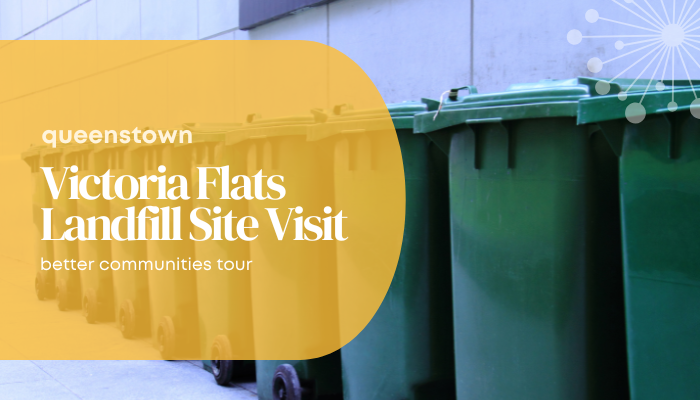
Victoria Flats Landfill Site Visit
A unique opportunity to get a tour of our region's only landfill! Hear from the landfill's operators what they're doing to reduce environmental impact and what the community can do better to help!

Festival of Nature
Join us for a vibrant celebration connecting everyone to nature through a diverse array of experiences. Enjoy the Symphony of Nature: live music and captivating storytelling, thought-provoking films, interactive workshops, and informative stands. Explore and engage with nature in a fun and immersive environment for all ages.

Guided tour of Namaste Park and Gardens
Explore 2.5 hectares on the outskirts of Wānaka, featuring regenerating land with a developing 600-tree arboretum, and extensive ornamental and edible gardens maintained in harmony with nature. This carbon-positive household boasts solar panels, locally sourced food, and electric equipment.

Sustainable Periods
Join Sofia and Charlotte for a hands-on workshop exploring eco-friendly menstrual practices, sustainable period products, and the holistic 'Inner Seasons' approach to menstrual cycles. Learn to reduce waste, manage energy, and improve wellbeing for yourself and the planet.
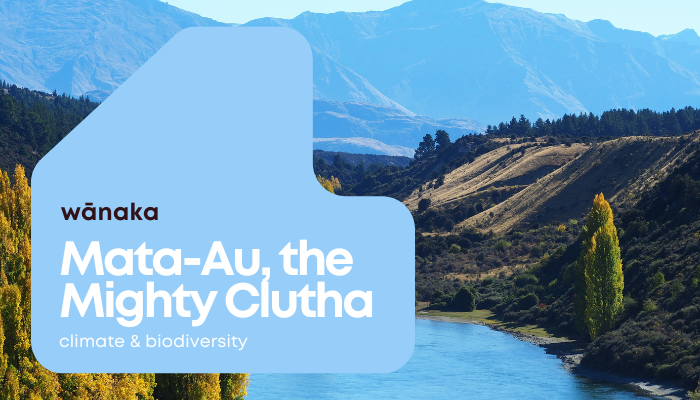
Mata-Au, the Mighty Clutha
Join Dr. David Norton and Hamiora Gibson (better known as Sam the Trapman), for a kōrero on the vital role of nature-based solutions in enhancing landscape and ecosystem resilience.

The State of Our Climate
Join Dr. Greg Bodeker for a kōrero on the intersection of growth limits and the climate crisis. He will explore the impacts of a neoliberal capitalist economy and discuss alternative pathways for systemic, sustainable change.

Insights from Te Tapu o Tāne
Jana Davis, Pou Turaka (CEO) of Te Tapu o Tāne leads a kōrero on the organisation's work to strengthen community engagement and foster lasting relationships with the land. Te Tapu o Tāne, founded by Te Ao Māori and Mana Whenua, is a native nursery and climate action hub offering reforestation, landscaping, and project management services.
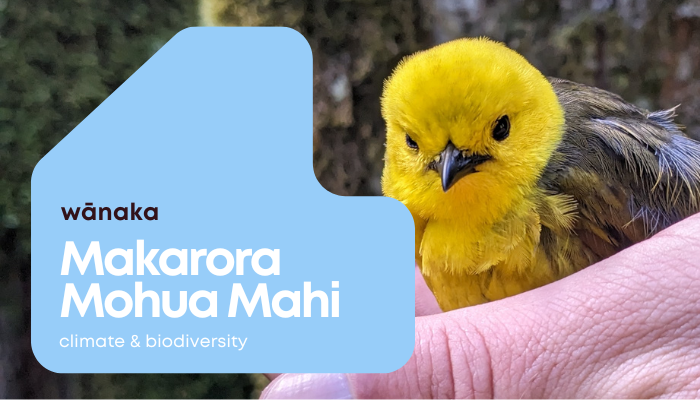
Makarora Mohua Mahi
In 2023, volunteers protected mohua during a predator plague. Now, innovative acoustic mapping and community efforts aim to ensure long-term conservation amidst ongoing challenges.

Nature Based Solutions
Join Dr. David Norton and Hamiora Gibson (better known as Sam the Trapman), for a kōrero on the vital role of nature-based solutions in enhancing landscape and ecosystem resilience.